AAP launches signature drive to press for action against ‘dacoity’ at Ram Temple
Source Entity
India Latest News: Top National Headlines Today & Breaking News | The Hindu
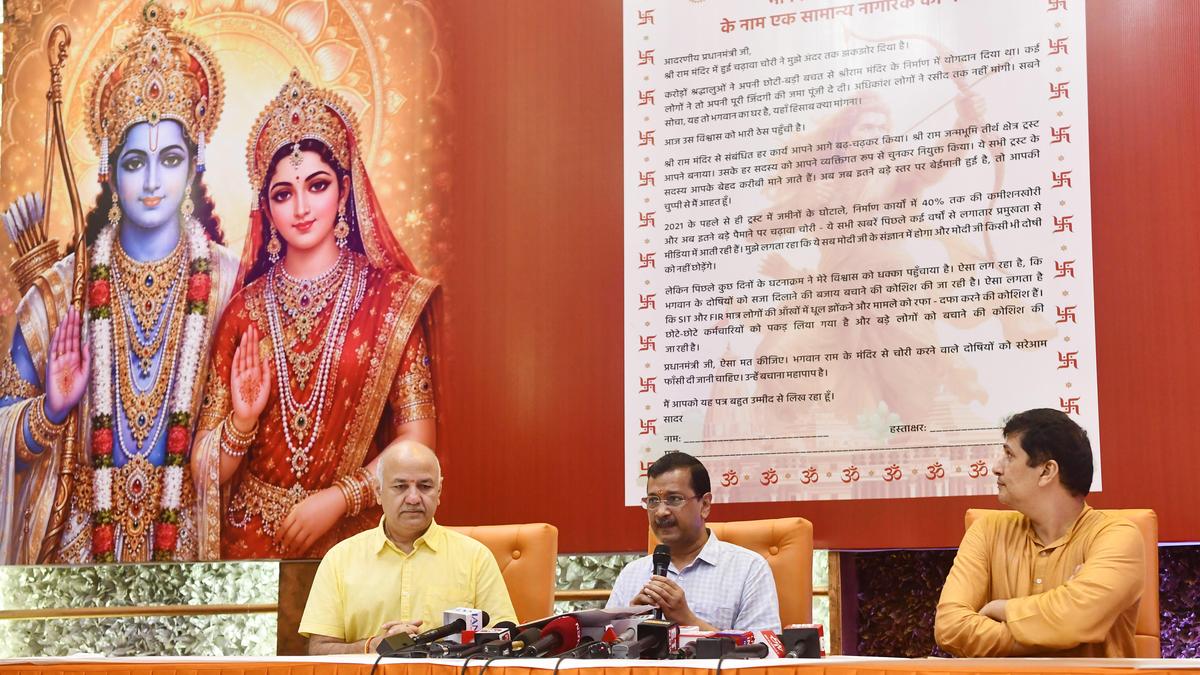
Kejriwal urges devotees across the country to organise Hanuman Chalisa recitals and collect signatures
AAP's Strategic Pivot: Analyzing the Ram Temple Signature Drive
In a significant political move, the Aam Aadmi Party (AAP), under the leadership of Arvind Kejriwal, has launched a nationwide signature drive to demand immediate and stringent action regarding alleged 'dacoity' at the Ram Temple. This initiative is not merely a call for law and order but is accompanied by a directive for devotees across the country to organize Hanuman Chalisa recitals. By intertwining a legal demand for justice with a deeply resonant religious practice, AAP is attempting to mobilize a broad base of supporters and devotees, framing the security of the temple as a matter of national spiritual concern.
The Symbolism of 'Dacoity' and Grassroots Mobilization
By specifically using the term 'dacoity'—which implies a violent or organized robbery—the AAP is elevating the gravity of the incident. This terminology is designed to evoke a strong emotional response from the public, transforming a security breach into a perceived assault on a sacred institution. The signature drive serves as a traditional yet effective grassroots mobilization tool, allowing the party to engage directly with citizens and create a documented sense of public outrage. This method forces the governing authorities to acknowledge the scale of public discontent and puts pressure on investigative agencies to provide transparent and swift resolutions.
Religious Integration: The Role of Hanuman Chalisa
One of the most striking aspects of this campaign is the call for Hanuman Chalisa recitals. The Hanuman Chalisa is one of the most revered hymns in Hinduism, symbolizing strength, protection, and devotion. By integrating these recitals into a political campaign, Kejriwal is strategically bridging the gap between political activism and religious faith. This move suggests an effort to neutralize criticisms that the party is disconnected from traditional cultural values, effectively signaling that AAP stands as a protector of the faith and its most sacred sites.
Political Strategy and Narrative Positioning
Historically, AAP has positioned itself as a party of governance, focusing on education, healthcare, and anti-corruption. However, this current drive indicates a strategic shift toward engaging with the socio-religious narrative that dominates much of the current Indian political landscape. By championing the cause of the Ram Temple, AAP is challenging the monopoly of other political entities over the 'defender of the faith' narrative. This allows the party to appeal to a wider demographic of voters who prioritize the sanctity and security of religious landmarks, thereby expanding its electoral reach beyond its traditional urban, middle-class base.
Broader Implications for Security and Governance
Beyond the political optics, this event highlights critical concerns regarding the security infrastructure of high-profile religious sites. The demand for action against 'dacoity' underscores a perceived vulnerability in the management of the Ram Temple. If the signature drive gains significant momentum, it may compel the government to overhaul security protocols and implement more rigorous surveillance and policing measures. This could set a precedent for how other major pilgrimage sites are secured, shifting the focus toward a more proactive and transparent security model to prevent future incidents.
Conclusion and Future Outlook
In summary, AAP's signature drive and the call for Hanuman Chalisa recitals represent a calculated blend of political pressure and cultural alignment. By focusing on the 'dacoity' at the Ram Temple, Arvind Kejriwal is leveraging a high-emotion issue to mobilize the masses and reposition his party within the national discourse. Moving forward, the success of this campaign will likely depend on the government's response to the signature drive. If the authorities fail to act decisively, AAP may further intensify its protests, potentially turning a security issue into a larger political movement centered on the protection of cultural heritage.
Verification Required?