CM Omar Adullah to BJP: Should I ask Trump for J&K statehood?
Source Entity
NASEER GANAI AND SANJAY KHAJURIA
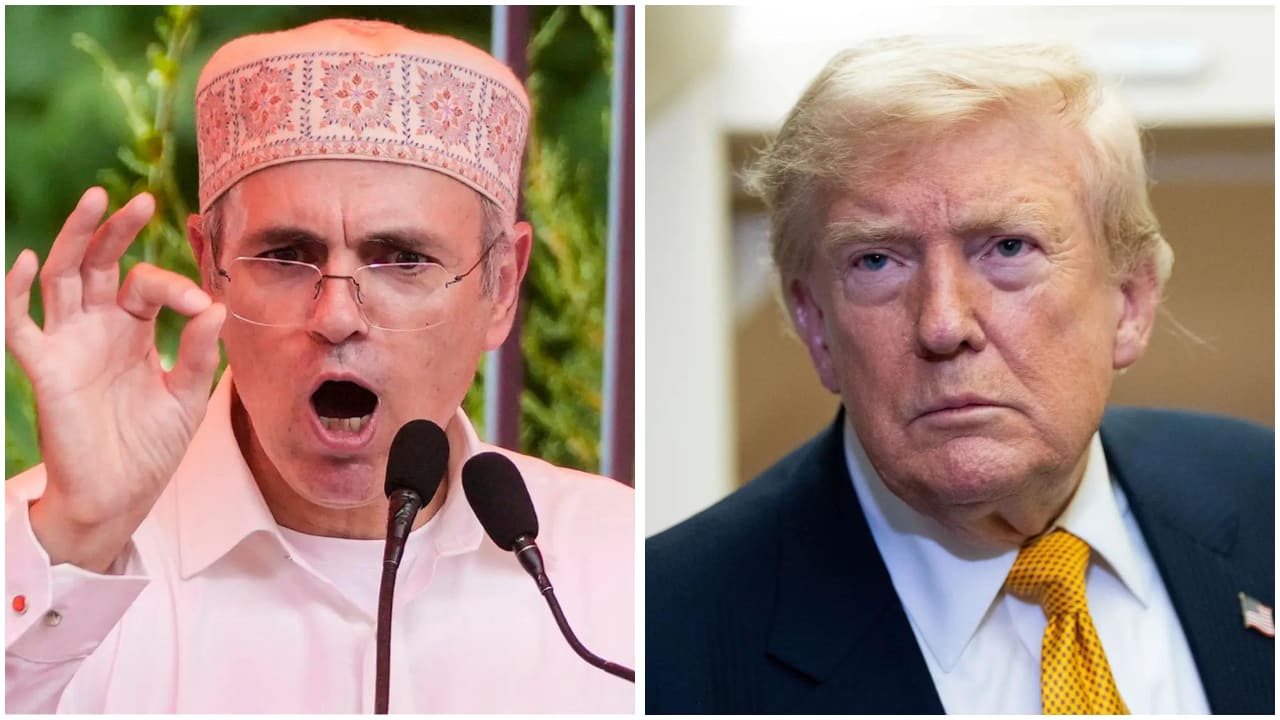
Jammu and Kashmir Chief Minister Omar Abdullah expressed frustration over the delayed restoration of statehood. He questioned the central government's stance on protests and assembly discussions regarding this issue. Abdullah announced a protest at Jantar Mantar in New Delhi on July 20. He reminded Prime Minister Narendra Modi of his past assurance on the matter. The National Conference will continue its democratic campaign until statehood is reinstated.
Political Friction Escalates: Omar Abdullah's Demand for J&K Statehood
Chief Minister Omar Abdullah has sparked a fresh political storm by openly challenging the BJP-led central government over the delayed restoration of statehood for Jammu and Kashmir. By provocatively asking if he should approach Donald Trump for assistance, Abdullah is not merely employing rhetorical flair but is signaling a deep-seated frustration with the current administrative stalemate. This development underscores a growing rift between the locally elected leadership in J&K and the Union government in New Delhi, highlighting the tension between regional aspirations and central control.
The Historical Weight of Statehood
To understand the gravity of Abdullah's demands, one must look back to August 2019, when the Indian government revoked Article 370 and downgraded Jammu and Kashmir from a state to a Union Territory (UT). This move stripped the region of its special autonomous status and placed significant administrative powers directly under the central government. While the central government maintained that statehood would be restored at an "appropriate time," the ambiguity of this timeline has become a primary point of contention. For the National Conference and its supporters, the lack of a concrete date for restoration is viewed as a breach of trust and a dilution of democratic representation.
Analyzing the Strategy of Public Protest
Abdullah's announcement of a protest at Jantar Mantar in New Delhi on July 20 is a strategic move to shift the theater of conflict from Srinagar to the national capital. By bringing the issue to the doorstep of the central government, the National Conference aims to nationalize the discourse on J&K's status, forcing other political parties and the national media to engage with the issue. This shift from legislative discussion to street activism suggests that the CM believes formal assembly debates are being ignored or sidelined by the center, necessitating a more visible and disruptive form of democratic expression.
The International Dimension and Rhetorical Pressure
The mention of Donald Trump is a calculated political gambit. By referencing a figure of global influence, Abdullah is subtly reminding the Modi administration that the status of Jammu and Kashmir remains a point of international scrutiny. This strategy aims to leverage the central government's desire for a positive global image, suggesting that if domestic channels for democratic restoration remain closed, the issue may inevitably spill over into international diplomatic conversations. It serves as a warning that the internal governance of J&K is not merely a domestic administrative matter but one with geopolitical implications.
Implications for Local Governance and Stability
The current administrative setup, where the Chief Minister leads a government that lacks the full legislative powers of a state, creates a precarious power dynamic. The delay in statehood limits the local government's ability to implement comprehensive policy changes and address the pressing needs of the populace without central approval. This "half-way" democracy can lead to governance paralysis and public disillusionment, as voters may feel that their elected representatives are powerless against the dictates of New Delhi. The continued denial of statehood risks alienating a population that has recently participated in elections with the hope of returning to normalcy.
Future Trends and Political Trajectory
Looking forward, the outcome of the July 20 protest will likely dictate the intensity of the National Conference's campaign. If the central government remains unresponsive, we can expect a more aggressive series of democratic protests and perhaps a legal challenge in the higher courts to define the "appropriate time" for statehood restoration. Conversely, any concession from the center would be seen as a victory for Abdullah's pressure tactics. The tension reflects a broader trend in Indian federalism where regional identities and local mandates are increasingly clashing with a centralized vision of national security and administration.
Summary
In essence, Omar Abdullah's crusade for statehood is a battle for the restoration of political dignity and administrative autonomy for Jammu and Kashmir. By blending local protests with international rhetoric and reminding Prime Minister Modi of his past assurances, Abdullah is attempting to break a political deadlock that has persisted since 2019. The resolution of this conflict will be critical in determining the long-term stability and democratic health of the region.