Agra Cantt incident: RPF personnel suspended after viral video of clash with Deputy Station Superintendent
Source Entity
Anish Mondal
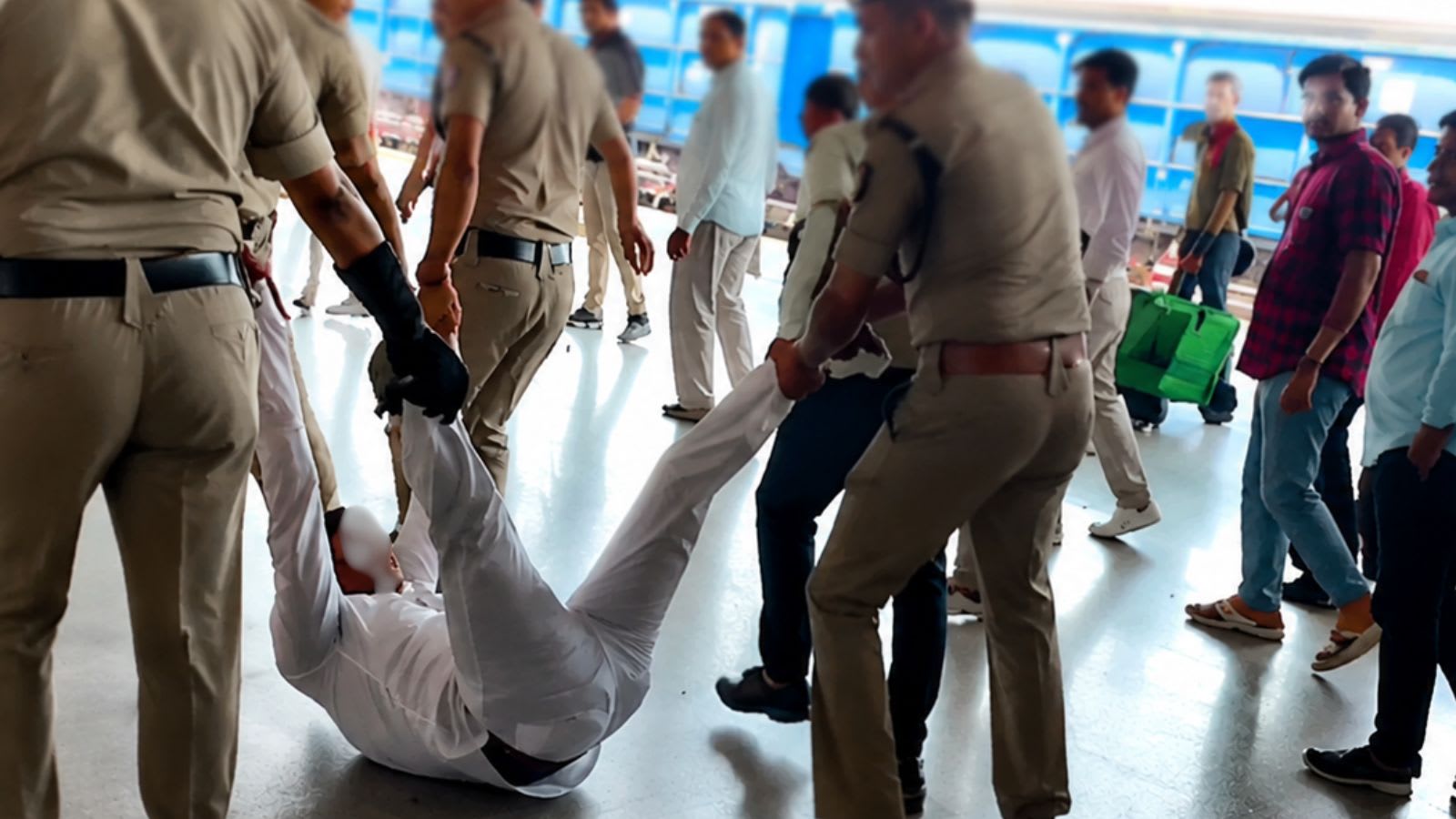
Indian Railways action in Agra Cantt case: Indian Railways has suspended RPF (Railway Protection Force) personnel seen in a viral video allegedly assaulting a Deputy Station Superintendent (Dy SS) at ...
Conflict at Agra Cantt: Analysis of the RPF and Station Management Clash
An unsettling incident has come to light at the Agra Cantt railway station, where a conflict between the Railway Protection Force (RPF) and station administrative staff escalated into physical violence. The incident gained widespread attention after a video recording of the clash, involving the assault of a Deputy Station Superintendent (Dy SS) by RPF personnel, went viral on social media platforms. In a swift administrative response, Indian Railways has suspended the RPF personnel involved, signaling a strict stance against workplace violence and insubordination within the railway hierarchy.
The Role of Social Media as a Catalyst for Accountability
One of the most striking aspects of this case is the role of digital evidence. In the contemporary Indian administrative landscape, viral videos often act as a catalyst for immediate disciplinary action. Had the incident remained an internal complaint, the process of investigation and suspension might have taken significantly longer. The public nature of the evidence forced the railway authorities to act decisively to maintain the image of the organization and ensure that the assault on a senior official was not ignored. This trend highlights a shift where transparency is often driven by external public pressure rather than internal reporting mechanisms.
Institutional Friction: RPF vs. Station Operations
To understand the root of such clashes, it is essential to analyze the structural relationship between the RPF and station management. The RPF is a specialized security force tasked with protecting railway property and passengers, while the Station Superintendent and their deputies are responsible for the operational efficiency and management of the station. These two wings often operate under different chains of command, which can lead to friction regarding jurisdiction, authority, and the execution of orders. When operational pressures at a busy hub like Agra Cantt peak, these systemic tensions can manifest as personal conflicts, leading to the kind of breakdown in discipline witnessed in this incident.
Administrative Implications and Zero Tolerance
The decision to suspend the RPF personnel serves as a critical deterrent. Within the framework of government service, an assault on a superior or a colleague in a position of authority is viewed as a grave breach of the Central Civil Services (CCS) Conduct Rules. By initiating suspension, Indian Railways is attempting to reinforce the chain of command and send a clear message that the uniform of the RPF does not grant immunity from disciplinary action. This move is likely intended to prevent similar outbursts across other stations and to reassure administrative staff of their safety and professional dignity.
Future Trends in Railway Personnel Management
Looking forward, this incident underscores the need for better conflict resolution training and psychological support for railway employees. The high-stress environment of Indian railway stations, characterized by massive crowds and rigid schedules, can lead to burnout and irritability among staff. Moving forward, the Ministry of Railways may need to implement more robust sensitivity training and mediation protocols to handle inter-departmental disputes before they escalate into physical altercations. Furthermore, the integration of more CCTV surveillance and digital reporting tools may further reduce the likelihood of such unchecked aggression.
Summary of the Incident
In conclusion, the clash at Agra Cantt is more than a simple altercation; it is a reflection of the tensions inherent in complex institutional hierarchies. The swift suspension of the RPF personnel demonstrates a commitment to accountability, while the viral nature of the event underscores the power of social media in enforcing administrative transparency. The resolution of this case will likely serve as a precedent for how the Indian Railways handles internal violence and maintains order among its diverse workforce.