Agri extension expert seeks slashing of GST rates for farm sector to retain farmers in agriculture and ensure food security
Source Entity
India Latest News: Top National Headlines Today & Breaking News | The Hindu
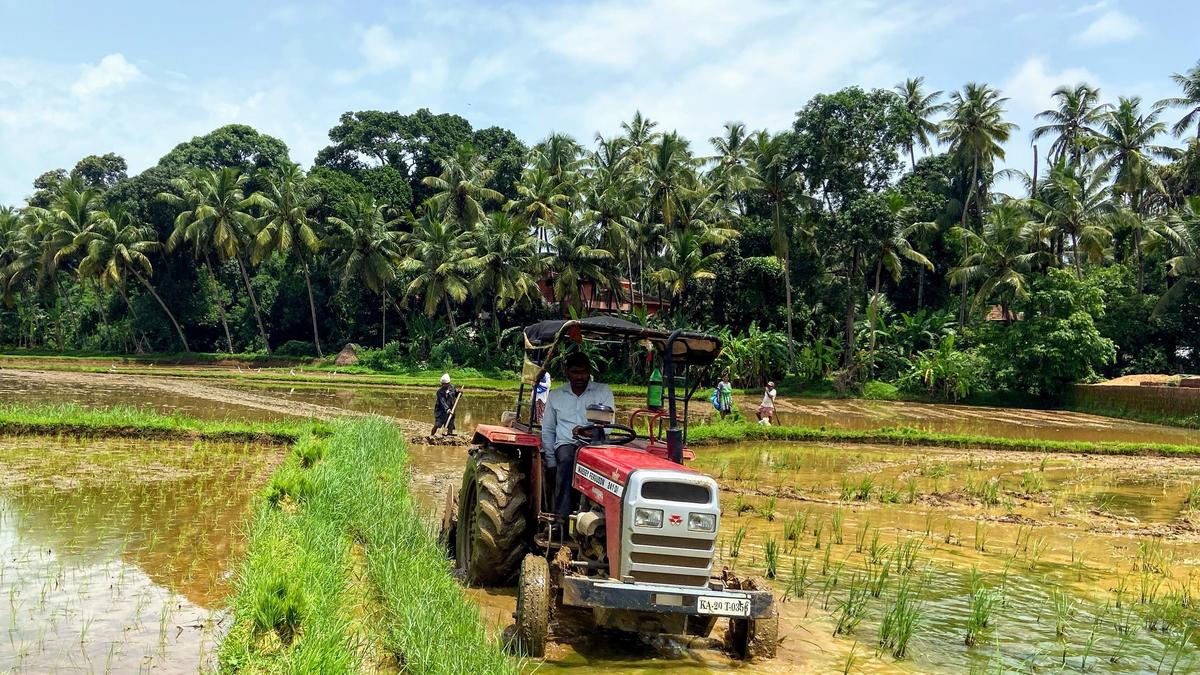
Agricultural expert K. Narayana Gowda has urged the GST Council to reduce tax rates on essential farm inputs. He argues that high costs threaten food security and the retention of farmers amid ongoing drought challenges.
Addressing the Agricultural Tax Burden
Ahead of the upcoming GST Council meeting in Delhi, K. Narayana Gowda, president of the International Society of Extension Education and former Vice-Chancellor of UAS-B, has issued a critical appeal regarding the financial sustainability of the farming sector. His request highlights the mounting pressure on the agricultural community, which is currently grappling with the dual challenges of rising input costs and the adverse effects of drought conditions. By calling for a reduction in Goods and Services Tax (GST) rates on farm inputs, Dr. Gowda seeks to alleviate the fiscal strain that discourages many from continuing their livelihoods in agriculture.
The Impact of High Input Costs
At the heart of the debate is the current taxation structure, which places essential agricultural inputs—such as fertilizers, micronutrients, plant protection chemicals, and weedicides—under a high tax slab of 18%. For the average farmer, these items represent non-negotiable operational costs. When these costs are inflated by high GST rates, the profit margins are significantly compressed, often forcing farmers into debt or pushing them to abandon cultivation altogether. Dr. Gowda’s argument suggests that this fiscal policy is counterproductive to the nation's broader goals of economic stability and rural development.
Food Security and Economic Sustainability
Dr. Gowda’s plea is intrinsically linked to national food security. He posits that if the farming profession continues to become economically unviable due to high operational costs, the long-term supply chain of essential food commodities could be jeopardized. The agricultural sector serves as the backbone of the economy, and its decline would have ripple effects across the entire nation. By advocating for tax relief, he emphasizes that the government must view agriculture not merely as a source of tax revenue, but as a critical infrastructure that requires nurturing to ensure the country remains self-sufficient.
Policy Intervention at the State Level
To facilitate this policy shift, Dr. Gowda has reached out to Karnataka Chief Minister D.K. Shivakumar. The appeal specifically requests that the Chief Minister champion the cause of tax reduction during the GST Council meeting. This strategy highlights the importance of state-level representation in national fiscal policy. By bringing this concern to the forefront of the Council's agenda, the objective is to move toward a more farmer-friendly tax regime that reflects the realities of modern, climate-sensitive farming.
Future Trends and Outlook
As the GST Council convenes, the decision-making process will likely balance the need for revenue collection against the immediate necessities of the agricultural sector. If the government chooses to lower these rates, it could set a precedent for more targeted support for rural economies. Conversely, maintaining current rates may continue to exacerbate the trend of farmers moving away from the sector, potentially leading to long-term labor shortages and decreased productivity. Dr. Gowda’s intervention serves as a timely reminder that fiscal policies must evolve to address the unique vulnerabilities of the farming community in an era of climate unpredictability.
Verification Required?