AI founder left $300,000 life in San Francisco: ‘No money could make me stay’
Source Entity
TOI WORLD DESK
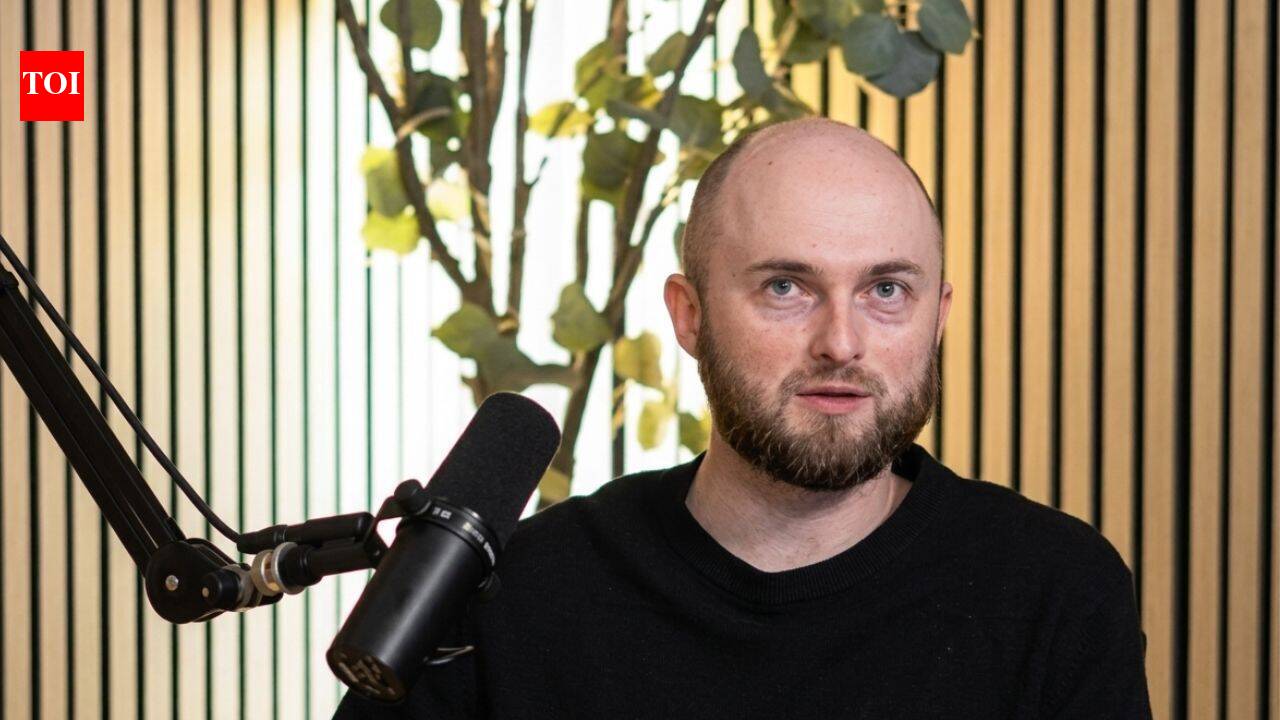
Koby Conrad, founder of AI sobriety companion Sunflower, relocated to Buenos Aires. He found a better environment for building a family and his company. Conrad enjoys the city's culture, food, and significantly lower living costs. He feels more focused and productive away from San Francisco's tech-centric atmosphere. The move supports his desire to balance ambitious work with raising a family.
The Great Tech Migration: Why an AI Founder Traded Silicon Valley for Buenos Aires
In a move that challenges the traditional narrative of the "Silicon Valley Dream," Koby Conrad, the founder of the AI sobriety companion Sunflower, has relocated his life and business from San Francisco to Buenos Aires. This decision represents a growing trend among high-level tech entrepreneurs who are beginning to prioritize holistic well-being and family stability over the proximity to venture capital hubs. By leaving behind what he describes as a "$300,000 life," Conrad is signaling a shift in how success is measured in the modern AI era—moving away from purely financial or status-driven metrics toward a focus on "lifestyle design."
The San Francisco Paradox and the "Tech Bubble"
For decades, San Francisco has been the undisputed epicenter of technological innovation, particularly in the current AI gold rush. However, this concentration of talent often creates a high-pressure echo chamber. Conrad's observation that he feels "more focused and productive" away from the city's tech-centric atmosphere highlights a critical paradox: while SF provides the best networking opportunities, the constant noise and social pressure of the "grind culture" can actually hinder deep work. By removing himself from the environment where every social interaction is a potential pitch or networking event, Conrad is attempting to reclaim his cognitive bandwidth to better build Sunflower.
Geo-Arbitrage and the Economic Appeal of Argentina
From a financial perspective, Conrad's move is a masterclass in "geo-arbitrage"—the practice of earning a high-value currency or maintaining a global business while living in a region with a significantly lower cost of living. In San Francisco, a $300,000 income is often consumed by exorbitant housing costs and basic services. In contrast, Buenos Aires offers a world-class urban infrastructure, renowned gastronomy, and a rich cultural tapestry at a fraction of the cost. This economic shift allows a founder to reduce their financial stress and lower the "burn rate" of their personal life, which in turn provides more psychological safety to take risks with their company.
Prioritizing Family in a Globalized Work World
Beyond the economics, the move is deeply rooted in Conrad's desire to raise a family. The stark contrast between the fast-paced, often isolating nature of the Bay Area and the family-centric social fabric of Argentine culture is a primary driver for this relocation. In many South American cultures, there is a stronger emphasis on multi-generational support and community integration, which provides a more nurturing environment for children than the hyper-competitive landscape of Northern California. Conrad's choice suggests that for the next generation of founders, the "where" of work is becoming secondary to the "how" of living.
Alignment of Product Mission and Personal Values
There is a poetic alignment between Conrad's personal journey and the product he is building. Sunflower, an AI sobriety companion, is designed to help users navigate the complexities of recovery and maintain a healthy, balanced life. By intentionally stepping away from the excesses and pressures of the tech capital to seek a more grounded existence, Conrad is embodying the very principles of wellness and intentionality that his AI tool promotes. This authenticity can serve as a powerful brand narrative for Sunflower, positioning the company as one led by a founder who values mental health and balance over corporate prestige.
Future Trends: The De-centering of Innovation
Conrad's relocation is a microcosm of a broader trend: the de-centering of innovation. As AI tools make remote collaboration seamless, the necessity of being physically present in a specific zip code to build a unicorn company is diminishing. We are likely to see more "lifestyle migrations" where founders establish "hub-and-spoke" models—maintaining a lean presence in major markets while living in cities that offer higher quality of life. This shift could lead to a more globalized distribution of tech talent, as founders realize that creativity and productivity are not tied to a specific city, but to the quality of one's environment.
Summary
Koby Conrad's move from San Francisco to Buenos Aires is more than a personal relocation; it is a critique of the Silicon Valley lifestyle. By trading the prestige of the AI capital for the culture and affordability of Argentina, he is prioritizing family and focus over the traditional tech trajectory. This move underscores a pivotal shift in the entrepreneurial mindset, where the ultimate luxury is no longer a high salary in an expensive city, but the freedom to build a world-class company from a place that fosters genuine happiness and stability.