Uber’s robotaxi lobbying effort puts it on a collision course with Waymo
Source Entity
Kirsten Korosec
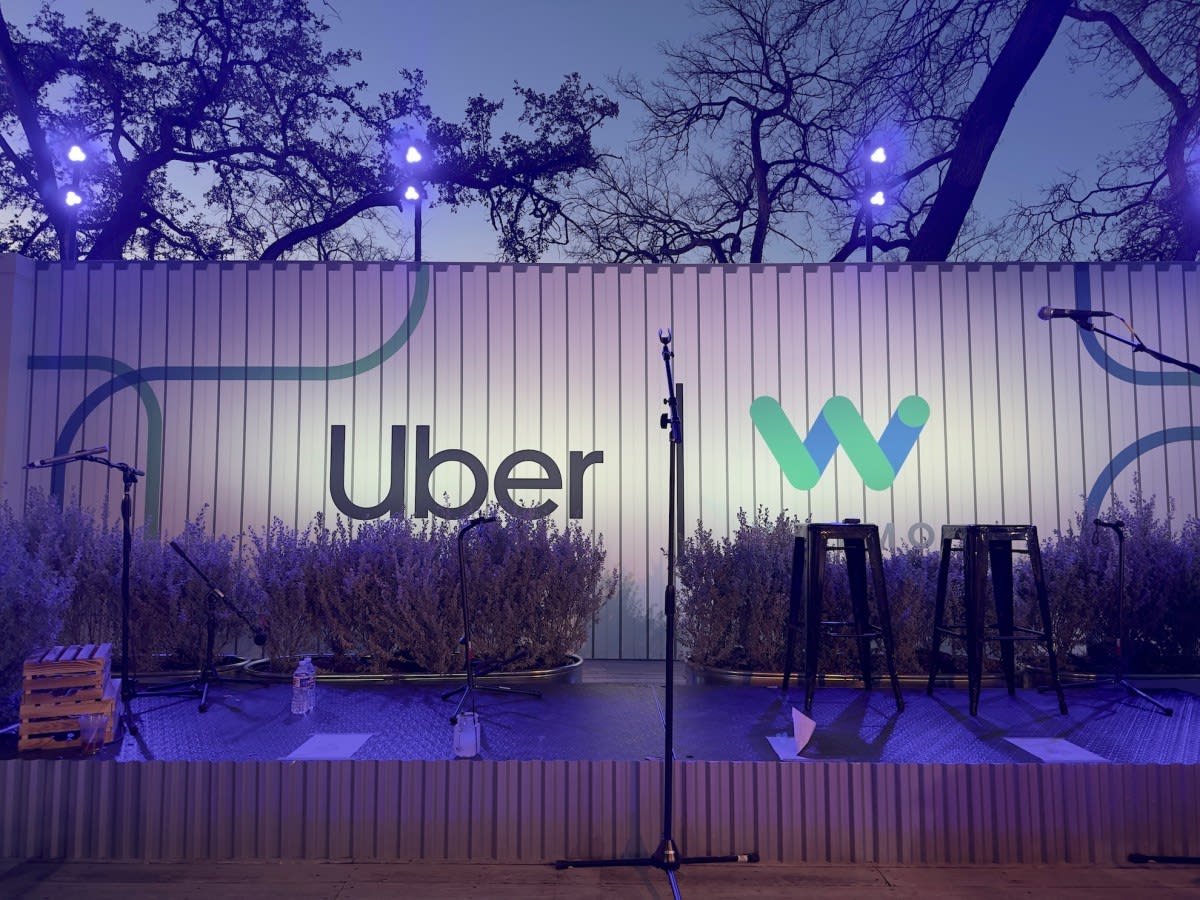
Washington, D.C. has become a battleground for Uber and Waymo's competing views.
The Battle for the Autonomous Future: Uber vs. Waymo
The emerging landscape of autonomous vehicle (AV) deployment has shifted from a purely technical challenge to a high-stakes political struggle. The recent reports of Uber and Waymo engaging in competing lobbying efforts in Washington, D.C., signal a critical juncture in the evolution of urban mobility. While both companies seek a future dominated by robotaxis, their business models are fundamentally divergent, leading to a 'collision course' regarding the regulatory frameworks they wish to see implemented at the federal level.
Divergent Business Models and Regulatory Goals
To understand the friction in D.C., one must analyze the structural differences between the two entities. Waymo, a subsidiary of Alphabet, operates as a full-stack autonomous driving company; it develops the hardware, the software, and manages its own fleet of vehicles. Consequently, Waymo's lobbying likely focuses on safety certifications and standards that validate its rigorous, proprietary approach to AV development. They seek a regulatory environment that protects the intellectual property and safety records of those who build the technology from the ground up.
Conversely, Uber has transitioned from trying to build its own autonomous tech to becoming the premier orchestration layer for AVs. Uber's goal is to be the marketplace where various AV providers—potentially including Waymo—can list their fleets to reach millions of users. Therefore, Uber's lobbying efforts are likely centered on promoting open access, interoperability, and preventing any single AV developer from monopolizing the ride-hailing interface. Uber wants a regulatory framework that ensures no single 'walled garden' can lock out the aggregator that controls the demand side of the market.
The Strategic Importance of Federal Intervention
Washington, D.C. has become the epicenter of this conflict because the current regulatory environment for AVs is a fragmented patchwork of state and municipal laws. For both Uber and Waymo, a unified federal standard is essential for scaling. However, the nature of that standard is where they clash. If the federal government leans toward a model that favors vertically integrated operators (Waymo's model), Uber risks being sidelined. If the government mandates a level of openness and third-party integration (Uber's goal), Waymo may lose some control over the user experience and data monetization of its fleet.
Broader Implications for Urban Mobility and Labor
This lobbying war extends beyond corporate profit; it has profound implications for the future of city infrastructure and the labor market. The outcome of these legislative battles will determine how cities manage curb space, how traffic is routed via AI, and how safety is audited. Furthermore, the transition to robotaxis represents a systemic threat to the gig economy. Uber's push for robotaxi integration is a hedge against the eventual decline of the human-driver model, while Waymo represents the catalyst for that decline. The regulatory framework decided in D.C. will ultimately dictate the pace at which human drivers are phased out of the ride-sharing ecosystem.
Historical Context and Future Trajectory
Historically, the relationship between Uber and Waymo has been characterized by litigation and tension, most notably the high-profile trade secret lawsuit years ago. While they have recently entered into partnerships in specific cities, the current lobbying conflict proves that cooperation is tactical, not strategic. As we look forward, we can expect this 'collision course' to intensify as AV technology reaches a tipping point of commercial viability. The company that successfully shapes federal policy will not only dominate the market but will essentially define the rules of engagement for the next century of transportation.
Summary of the Conflict
In summary, the clash in Washington is a fight over the 'operating system' of future cities. Waymo is fighting for a world where the technology provider owns the entire value chain, while Uber is fighting for a world where the platform orchestrator remains the primary gatekeeper to the consumer. This struggle will determine whether the robotaxi era is defined by a few closed ecosystems or a wide-open, competitive marketplace.