Global AI models struggle with Indian wildlife sounds. 59 volunteers built a fix
Source Entity
Sabah Virani
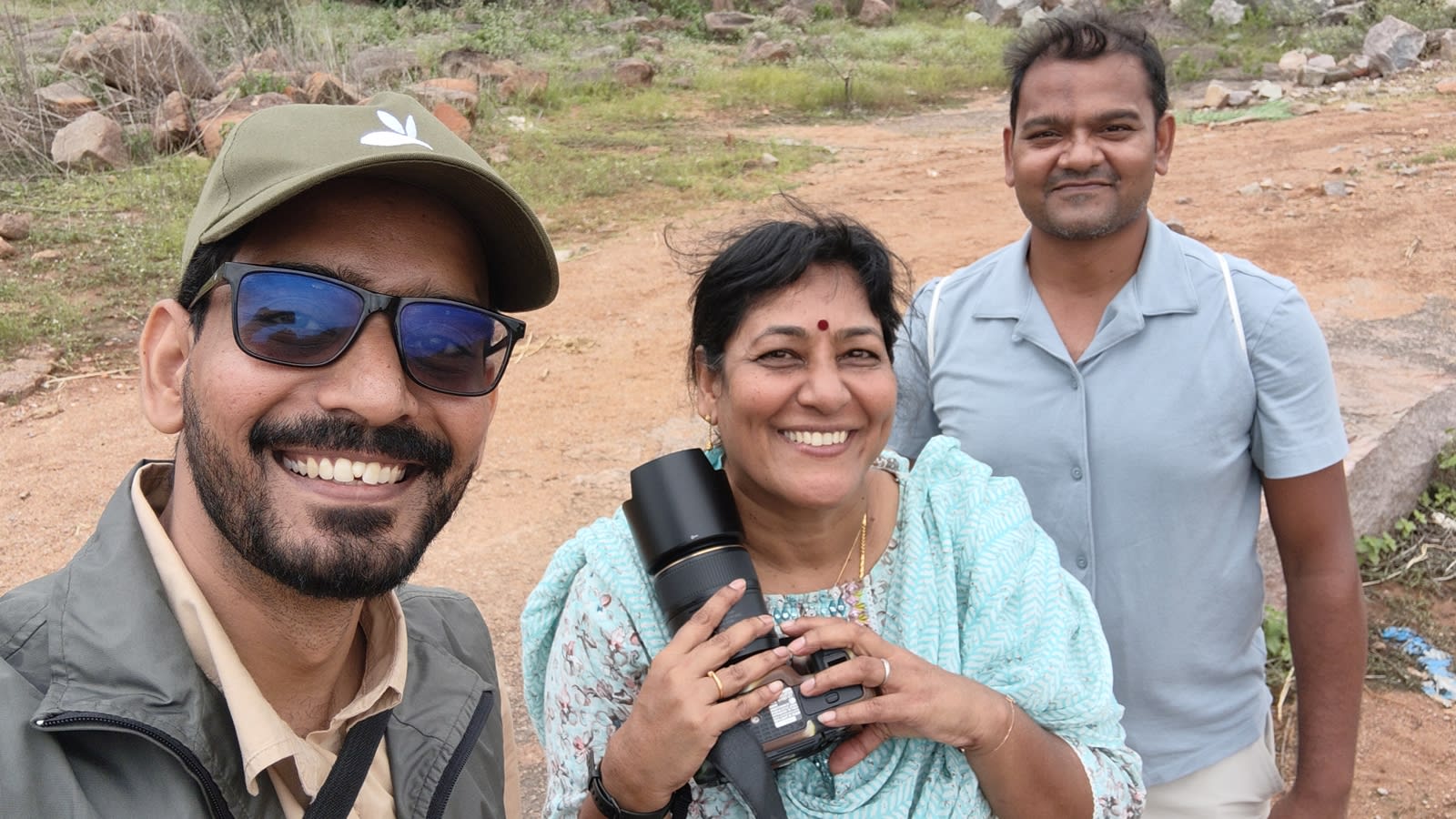
A collective of 59 volunteers has addressed the limitations of global AI models in identifying Indian wildlife sounds. By cataloging nearly 100 hours of diverse acoustic data, they created a specialized dataset to improve ecological monitoring.
Bridging the Acoustic Gap in Indian Biodiversity
Recent advancements in artificial intelligence have revolutionized how we monitor global biodiversity, yet a significant technological disparity has persisted regarding the unique acoustic signatures of the Indian subcontinent. Global AI models, often trained on datasets dominated by North American or European soundscapes, have historically struggled to accurately identify the diverse fauna of India. This discrepancy poses a serious challenge for conservationists who rely on automated acoustic monitoring to track species populations and ecosystem health.
A Grassroots Effort to Capture Nature’s Symphony
To address this critical oversight, a dedicated collective of 59 volunteers—comprising ecologists and enthusiasts—embarked on an ambitious mission last year. They ventured into some of the country’s most ecologically significant terrains, ranging from the moisture-rich corridors of the Western Ghats to the expansive deciduous forests of the East Deccan. Over the course of their fieldwork, they successfully amassed nearly 100 hours of high-quality audio recordings, capturing a vibrant tapestry of life including birds, insects, frogs, bats, reptiles, and marine animals.
The Laborious Process of Annotation
Collecting the data was only the first step in a complex technical endeavor. The team faced the arduous task of processing 5,815 minutes of audio to verify the species behind each specific sound. This involved a hybrid approach where experts marked the precise timing and frequency of calls on spectrograms—visual representations of sound waves—while also cataloging the presence of species in less distinct recordings. This meticulous human-in-the-loop annotation is essential for training robust machine learning models that can eventually automate such tasks.
Technical Implications for AI Development
By publishing their findings on bioRxiv on July 21, the collective has provided a foundational dataset that could fundamentally alter how AI tools interpret Indian wildlife. The integration of localized, ecologically varied data is a prerequisite for moving beyond generalist models toward specialized, high-accuracy classification systems. This shift is vital for researchers attempting to scale their conservation efforts across vast, difficult-to-access landscapes.
Future Trends in Conservation Technology
Looking ahead, this initiative represents a broader trend in environmental science: the decentralization of data collection. As AI becomes more integrated into field biology, the success of these models will depend entirely on the quality and geographic diversity of the training data. The collaborative effort of these 59 volunteers highlights that while AI provides the computational power, human expertise remains the bedrock of accurate species identification and effective biodiversity management. This project serves as a blueprint for future ecological data gathering, proving that community-driven science is a viable solution to persistent technological biases.