Raids in four Kashmir districts in anti-national narrative case
Source Entity
TNN
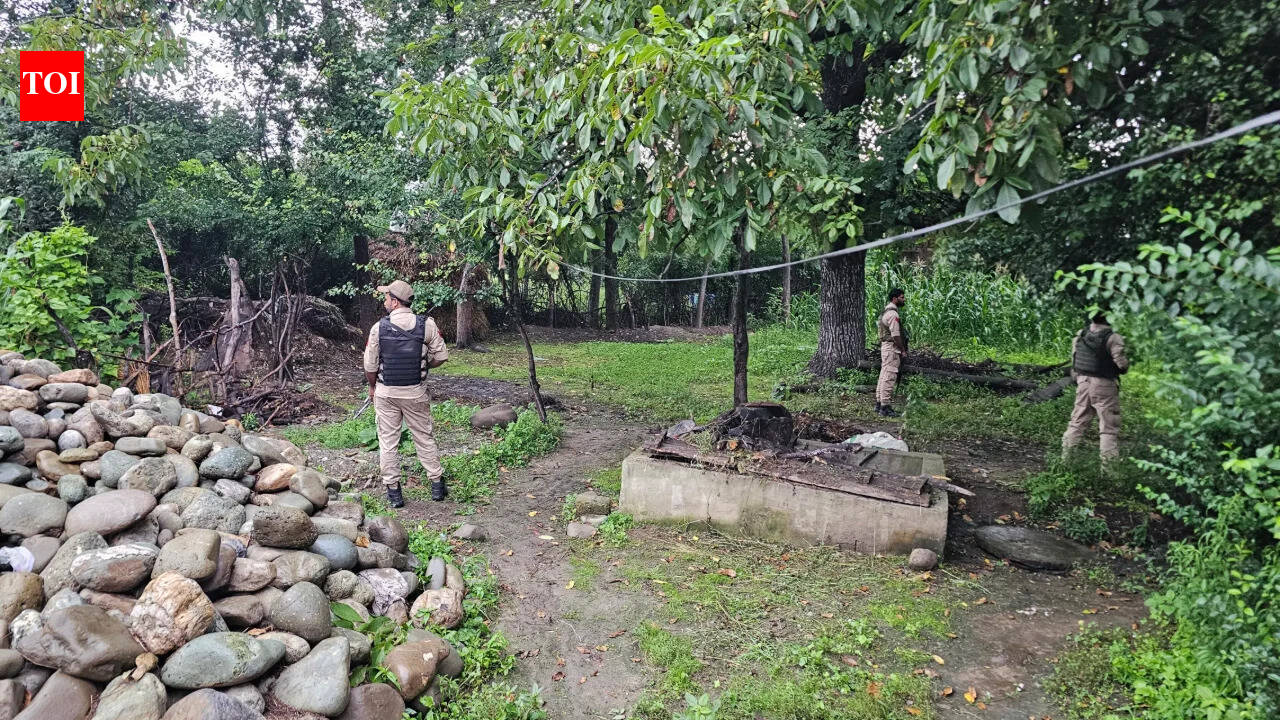
Counter Intelligence Kashmir and local police have conducted widespread raids across multiple districts to curb anti-national narratives and terror-related activities. These operations, targeting digital evidence and individuals linked to the banned Jamaat-e-Islami, follow a series of recent terror attacks in the region.
Intensified Security Operations in Jammu and Kashmir
Recent intelligence-led operations by the Counter Intelligence Kashmir (CIK) and local police signify a strategic escalation in the security apparatus's efforts to stabilize the Kashmir Valley. By executing coordinated raids across Baramulla, Bandipora, Anantnag, and Shopian, authorities are targeting the infrastructure supporting anti-national narratives. This shift suggests a focused attempt to disrupt the digital and ideological pipelines that facilitate radicalization, moving beyond traditional kinetic operations to address the root causes of instability.
Targeting the Digital and Ideological Front
The seizure of electronic and digital storage devices during the CIK raids highlights the modern nature of the current security challenge. Authorities are clearly prioritizing the identification of networks responsible for disseminating content that undermines regional security. By analyzing digital footprints, investigators aim to map the interconnected nodes of influence that sustain these narratives, potentially leading to future legal actions under the Unlawful Activities (Prevention) Act (UAPA).
The Jamaat-e-Islami Connection
Parallel to the CIK operations, the search of over 20 residential properties in Sopore linked to the banned Jamaat-e-Islami (JeI) illustrates a sustained crackdown on organizations deemed detrimental to national security. The JeI has historically played a complex role in the region's socio-political landscape, and its continued surveillance under UAPA provisions remains a cornerstone of the government’s policy to erode the group's organizational reach. These searches are not isolated events but part of a broader, long-term strategy to dismantle the support systems of banned entities.
Contextualizing Recent Terror Attacks
The timing of these raids—occurring in the immediate aftermath of recent terror attacks—serves as a clear signal of the administration's zero-tolerance policy. By increasing the frequency of searches, security agencies are attempting to regain the initiative, ensuring that those associated with terror-related activities find no safe harbor. This proactive posture is designed to deter potential threats and prevent the regrouping of elements that exploit local vulnerabilities.
Future Implications and Trends
Looking ahead, the emphasis on digital forensics and the persistent targeting of logistical networks suggest that the security landscape in Kashmir is moving toward a more intelligence-heavy approach. While no arrests were reported in the CIK-led raids, the collection of evidence is likely to form the basis of future prosecutions. As the authorities continue to balance administrative pressure with security imperatives, the trend toward high-frequency, precision-targeted operations is expected to persist in the coming months as a tool for maintaining regional order.