PM Modi speaks to US VP Vance, discusses ways to deepen India-US strategic partnership
Source Entity
TOI NEWS DESK
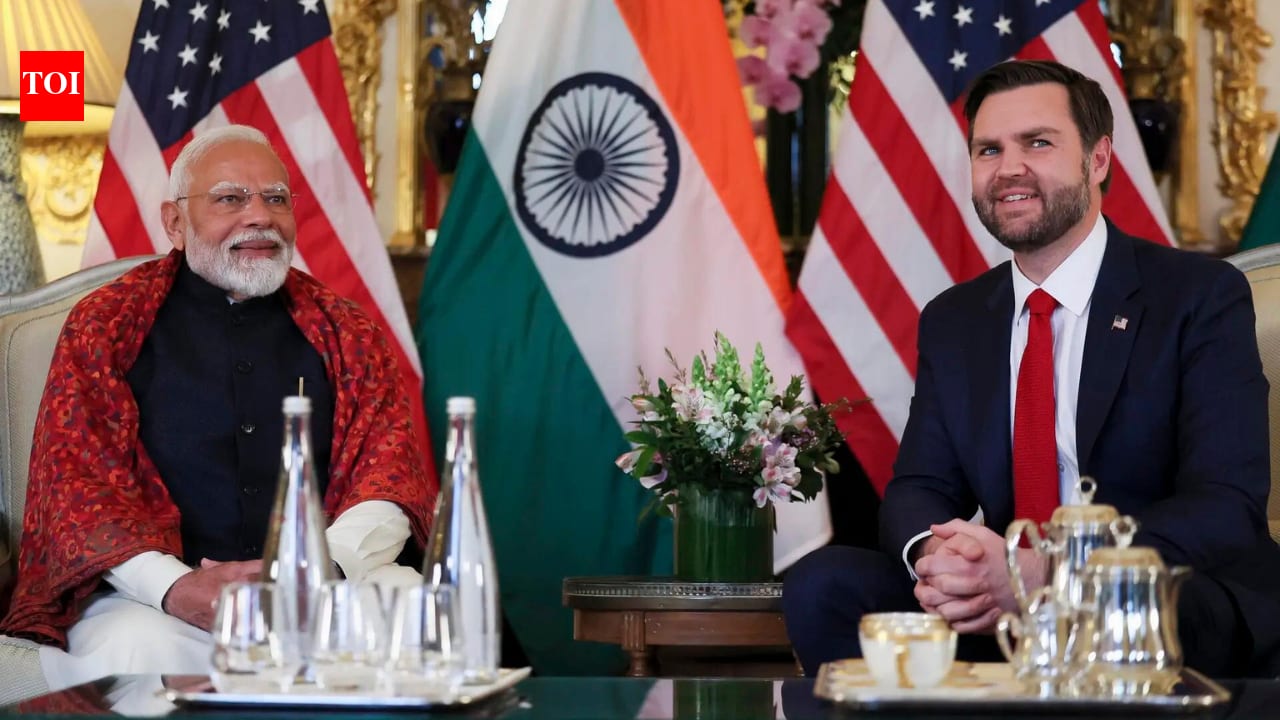
US Vice President JD Vance and PM Narendra Modi held a diplomatic call to strengthen bilateral ties. The discussion focused on strategic partnerships in trade and defense, occurring alongside significant US legislative developments regarding energy tariffs.
Strengthening the India-US Strategic Axis
In a significant diplomatic engagement, Prime Minister Narendra Modi and United States Vice President JD Vance held a high-level discussion aimed at reinforcing the Comprehensive Global Strategic Partnership between their two nations. This dialogue marks a critical juncture in India-US relations, emphasizing a mutual commitment to deepening cooperation across vital sectors including defense, trade, and emerging technologies. By engaging at this level, both leaders have signaled that the bilateral relationship remains a top-tier priority for their respective administrations.
Personal Diplomacy and Bilateral Warmth
Beyond the geopolitical agenda, the call served as a platform for personal rapport. Prime Minister Modi extended warm congratulations to Vice President Vance and his wife, Usha Vance, on the birth of their son. This gesture of goodwill, shared publicly by the Prime Minister on social media, underscores the importance of interpersonal relationships in modern statecraft. Such personal exchanges often provide a stable foundation for navigating the more complex, contentious aspects of international policy.
Trade and Economic Policy Context
The timing of this conversation is particularly noteworthy, as it coincided with legislative developments in the United States Senate. Specifically, the Senate recently passed a bill proposing a 100% tariff on nations, including India and China, that continue to engage in oil transactions with Russia. This legislative move introduces a layer of complexity to the bilateral economic dialogue, as both nations must now balance their historical energy security needs with the evolving requirements of their strategic alliance.
Strategic Implications for Defense and Tech
The discussion between the two leaders touched upon the necessity of bolstering the partnership in defense and technological sectors. Given the current global climate, where supply chain resilience and defense interoperability are paramount, the alignment of Indian and American interests is essential. The focus on 'upcoming technologies' suggests a forward-looking agenda, likely involving collaboration in artificial intelligence, semiconductors, and space exploration, which are current cornerstones of the India-US initiative on Critical and Emerging Technology (iCET).
Navigating Global Challenges
Beyond bilateral trade, the leaders shared insights on international matters of shared concern. As both India and the US navigate a multipolar world, the ability to exchange views on regional stability and global market conditions is crucial. The dialogue indicates a desire to harmonize policies even as global economic pressures, such as energy sanctions and tariff threats, create potential friction points. The commitment to maintain open lines of communication suggests that both nations are prioritizing long-term strategic benefits over short-term diplomatic hurdles.
Looking Toward Future Trends
Looking ahead, the trajectory of India-US relations will likely be defined by how effectively both governments can manage the tension between domestic protectionist policies—such as the proposed tariff legislation—and the overarching goal of a deepened strategic partnership. If the two nations can successfully navigate these trade complexities, the foundation laid by this conversation could lead to more robust institutional frameworks for cooperation, ultimately cementing the India-US partnership as a primary stabilizer in the Indo-Pacific region.
Multiple Citing Sources