Boost to solar manufacturing: Government weighs incentive for polysilicon manufacturing
Source Entity
Pratyush Deep
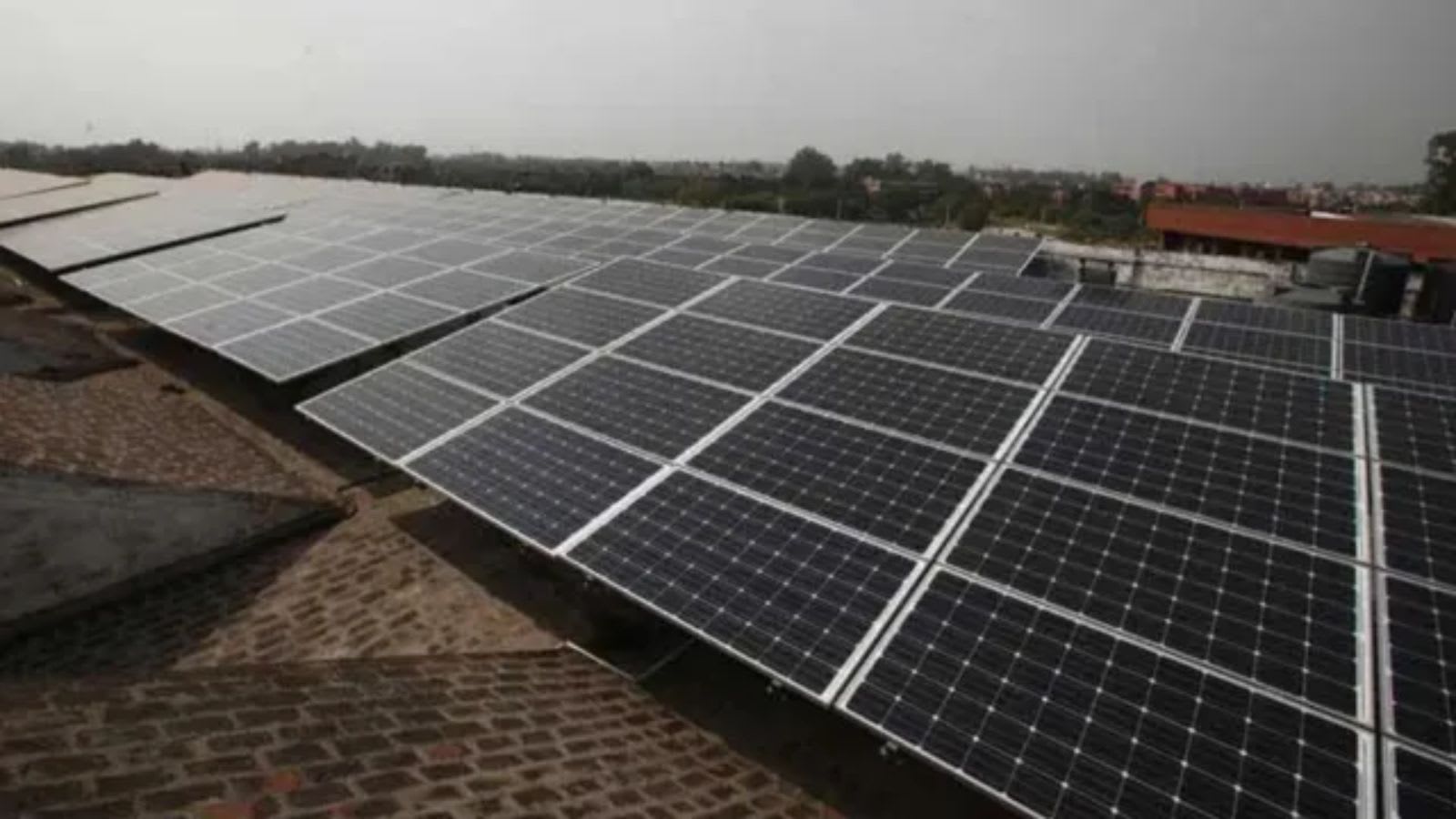
The Indian government is planning a new incentive scheme to boost domestic production of polysilicon, a critical raw material for solar panels. This move aims to reduce the nation's total reliance on imports and strengthen the upstream solar manufacturing value chain.
Strengthening India’s Solar Energy Independence
The Indian government is actively formulating a strategic support scheme designed to catalyze domestic polysilicon manufacturing. As revealed by Santosh Kumar Sarangi, Secretary at the Ministry of New and Renewable Energy (MNRE), during the seventh Confederation of Indian Industry (CII) International Energy Conference, this initiative is a pivotal step toward securing the nation’s energy future. By targeting the upstream segment of the solar value chain, the government aims to localize production that has historically been entirely dependent on international supply chains.
The Critical Role of Polysilicon
Polysilicon serves as the fundamental building block for solar photovoltaic (PV) technology. In the current industrial landscape, this raw material undergoes a complex transformation process: it is first processed into ingots, which are subsequently sliced into wafers, eventually forming the solar cells that power renewable energy grids. India’s current total reliance on imports for this material creates a significant vulnerability in the solar manufacturing ecosystem, making domestic production an urgent economic and strategic imperative.
Addressing the Upstream Bottleneck
For years, India has focused on downstream solar module assembly. However, without a domestic supply of high-grade polysilicon, manufacturers remain at the mercy of global price fluctuations and supply chain disruptions. By incentivizing the establishment of polysilicon manufacturing facilities, the government is looking to move beyond simple assembly and foster a comprehensive, end-to-end manufacturing value chain. This shift is essential for achieving the scale required to meet India's ambitious renewable energy targets.
Economic and Strategic Implications
The proposed incentive scheme is expected to serve as a catalyst for industrial growth, attracting investment into the capital-intensive chemical processing required for polysilicon production. Reducing import dependence not only improves the balance of trade but also creates a more resilient domestic industrial base capable of sustaining long-term solar expansion. This policy intervention reflects a broader vision of 'Atmanirbhar Bharat' (Self-Reliant India) applied specifically to the critical energy sector.
Future Outlook and Sustainability
As the transition toward green energy accelerates globally, the demand for solar components is projected to surge. By securing the upstream supply chain now, India is positioning itself as a competitive player in the global renewable energy market. The success of this scheme will likely be measured by the participation of private sector stakeholders and the ability of the government to facilitate a transition from an import-dependent model to a self-sufficient, export-capable solar powerhouse. This strategic shift is not just about energy, but about building the industrial infrastructure necessary for the next century of economic growth.