Is abusive language a criminal offence in India? | Explained
Source Entity
India Latest News: Top National Headlines Today & Breaking News | The Hindu
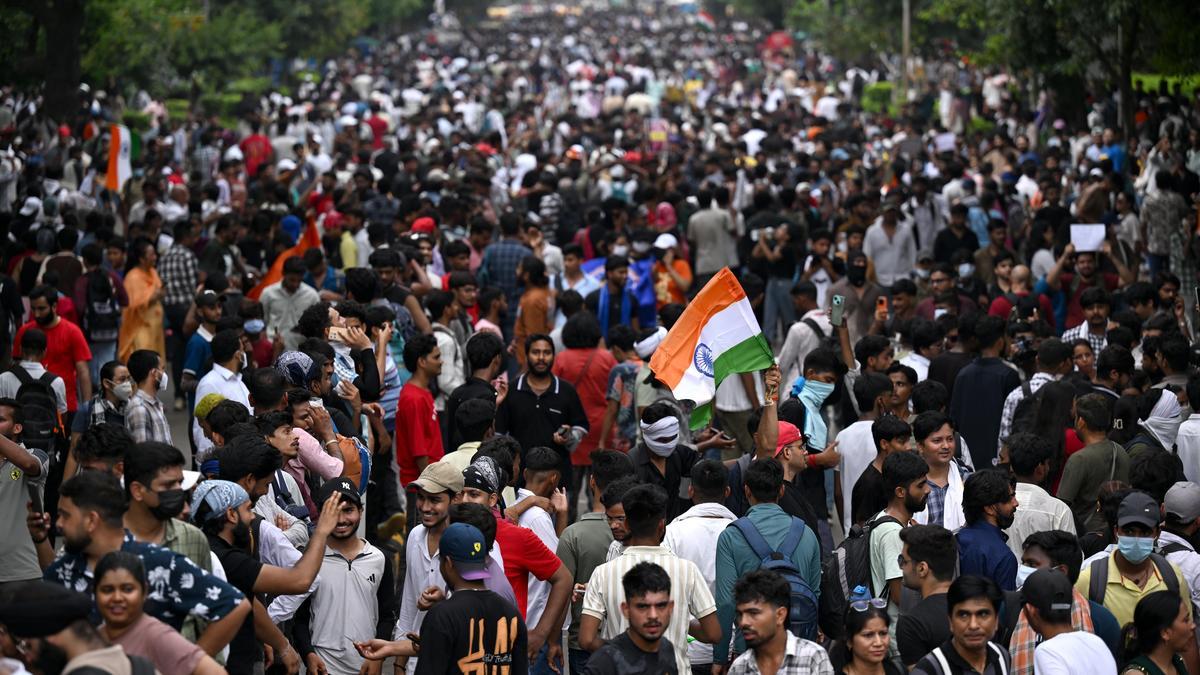
The registration of FIRs against protesters for alleged abusive language under the Bharatiya Nyaya Sanhita has sparked a legal debate. This situation highlights the complex balance between individual free speech and public order regulations.
The Legal Framework of Speech in India
The recent registration of First Information Reports (FIRs) against demonstrators from the Cockroach Janta Party at Jantar Mantar has brought the legal boundaries of public protest into sharp focus. By invoking specific sections of the Bharatiya Nyaya Sanhita (BNS)—namely Sections 352, 353(1), and 356(1)—authorities are signaling a strict approach to language perceived as inflammatory or defamatory. This development underscores the ongoing tension between the fundamental right to dissent and the state’s duty to maintain public tranquility.
Understanding the BNS Provisions
The charges filed, which include intentional insult to provoke a breach of peace and statements conducive to public mischief, represent a shift in how law enforcement manages protest-related speech. Section 352 of the BNS specifically targets acts meant to incite a breach of peace, while Section 353(1) addresses the broader societal impact of speech that might disrupt public order. The inclusion of defamation charges under Section 356(1) further complicates the legal landscape, suggesting that individual reputation is being weighed heavily against the collective nature of political demonstrations.
The Role of Zero FIRs
A notable procedural aspect of this case is the use of a 'Zero FIR,' filed at the Expressway Police Station in Uttar Pradesh by a resident of Ghaziabad. This mechanism, while designed to ensure that victims can report crimes without jurisdictional hurdles, is increasingly being utilized in cases involving speech that occurs in major hubs like Jantar Mantar. The use of a Zero FIR in this context highlights a trend of geographically dispersed legal challenges arising from centralized political protests, effectively allowing complainants from various regions to trigger police action.
Judicial Interpretation and Precedent
Historically, Indian courts have struggled to define the precise threshold where 'abusive language' transforms into a criminal offense. The judiciary has often emphasized that speech must have a direct nexus to incitement or violence to be strictly punishable. As these new cases proceed, legal experts anticipate that courts will be required to interpret whether the specific remarks made during the Jantar Mantar protest meet the high bar of 'public mischief' or if they fall under the protected umbrella of political hyperbole and legitimate dissent.
Broader Implications for Democracy
The outcome of these cases will have significant implications for the future of civil discourse in India. If the mere use of 'objectionable language' leads to widespread criminalization, there is a risk of a 'chilling effect' on political activism. Conversely, the state maintains that such measures are essential to prevent the degradation of public discourse into chaos. The resolution of this legal dispute will likely set a precedent for how the BNS is applied to political speech in the years to come, balancing the necessity of order with the constitutional mandate of free expression.
Verification Required?