CWG high fuels calls to make Haryana co-host for 2030 games
Source Entity
India Latest News: Top National Headlines Today & Breaking News | The Hindu
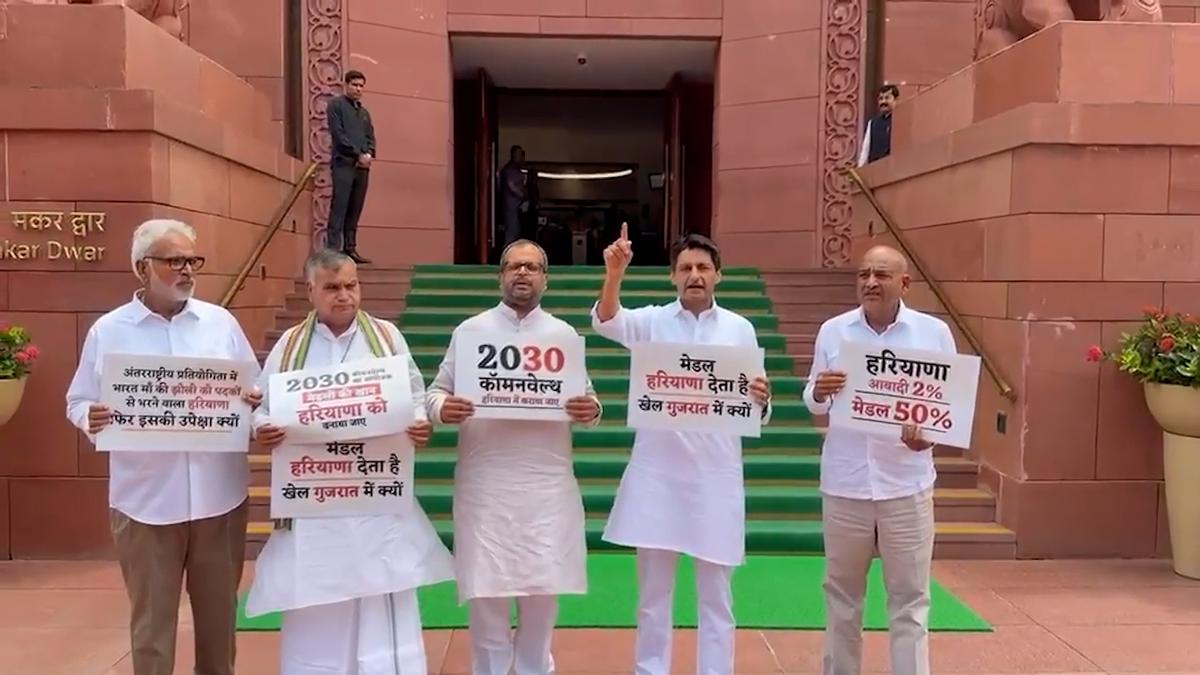
Haryana’s exceptional performance at the Glasgow Commonwealth Games has triggered cross-party demands for the state to co-host the 2030 CWG in Ahmedabad. Supporters argue that the state’s status as a sporting powerhouse, particularly in boxing, justifies a significant role in hosting the event.
Haryana’s Sporting Ascendancy and the Push for 2030 Co-Hosting
The recent success of Haryana’s athletes at the Commonwealth Games (CWG) in Glasgow has catalyzed a significant political and sporting conversation regarding the future of the 2030 Games, which are scheduled to be held in Ahmedabad. With athletes from the agrarian state securing seven of India’s 13 gold medals and a total of 11 medals, the demand to elevate Haryana from a mere contributor to a co-host of the upcoming international event has gained substantial momentum.
The 'Mini Cuba' Phenomenon
Central to this discourse is the region of Bhiwani, often referred to as the “Mini Cuba” of India. This moniker, a tribute to the Caribbean island nation renowned for its disproportionate output of elite boxers, is well-earned. The data from the Glasgow Games underscores this, as five of the seven gold medals in boxing were claimed by athletes from Bhiwani alone. Notably, four of these gold medalists were women, highlighting a shift in regional sports dynamics and the emergence of a robust pipeline of female talent that has become a national asset.
Legitimacy of the Claim
Support for the co-hosting initiative transcends party lines, with both political leaders and legendary trainers endorsing the proposal. Jagdish Singh, the founder of the Bhiwani Boxing Club and a mentor to numerous world-class boxers, has publicly validated the demand. By arguing that Haryana’s consistent ability to deliver medals on the global stage gives it a “strong claim,” proponents are framing the request not as a regional plea, but as an acknowledgment of the state's central role in India’s international sporting identity.
Infrastructure and Future Implications
If realized, the proposal to make Haryana a co-host for the 2030 Games would represent a decentralized approach to hosting major international sporting events in India. By leveraging existing hubs like Bhiwani, organizers could potentially reduce the logistical burden on a single city while tapping into established training ecosystems. This model could serve as a blueprint for future Indian sporting infrastructure development, focusing on regions that have already proven their capability to produce champions.
Conclusion and Future Outlook
The push to include Haryana as a co-host for the 2030 Commonwealth Games is a testament to the state's deep-rooted sports culture. As the debate continues, the focus will likely shift toward whether the current infrastructure can support the demands of international competition. Regardless of the final decision, the discourse itself highlights a shift in Indian sports, where regional powerhouses are increasingly asserting their right to be at the center of the nation's sporting narrative.
Verification Required?