Tourist plane crashes in Peru, killing 13
Source Entity
BBC News
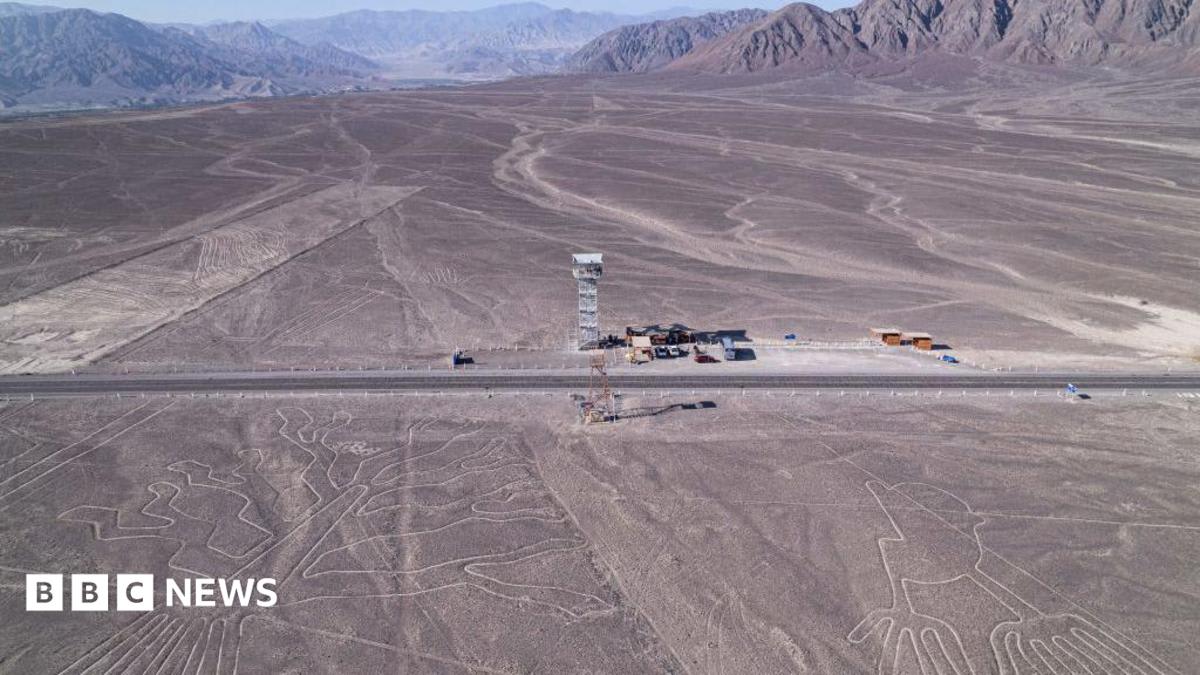
A Cessna Caravan C-208 sightseeing plane crashed near the Nazca Lines in Peru, resulting in the deaths of all 13 people on board. The victims included two pilots and 11 international tourists from Italy, Germany, and Spain. Peruvian authorities have launched an investigation into the cause of the disaster.
Tragedy Strikes Over the Nazca Lines
A tragic aviation accident occurred in southern Peru on Saturday when a Cessna Caravan C-208 sightseeing plane crashed near the historic Nazca Lines. The flight, which departed from Pisco at approximately 1:00 p.m. local time, was intended to provide tourists with an aerial view of the UNESCO World Heritage site. Tragically, all 13 individuals on board—comprising 11 passengers and two pilots—perished in the incident, which took place in the area of Pueblo Viejo, roughly 4 miles from the city of Nazca.
Victims and Flight Details
Local authorities confirmed that the passengers included seven Italian nationals, two German citizens, and two Spanish citizens. The pilots were identified as Americo Salazar Cuellar and Irenka Del Carpio. According to police reports, the aircraft lost contact with air traffic control shortly after takeoff and crashed at approximately 1:20 p.m. local time. The recovery efforts commenced shortly after the crash, with police confirming there were no survivors due to the severity of the impact.
The Significance of the Nazca Lines
The Nazca Lines are one of South America's most enigmatic and significant archaeological treasures. Featuring massive geoglyphs etched into the desert floor—depicting various animals and geometric shapes—the site attracts thousands of international visitors annually. Because of the sheer scale of these ancient drawings, aerial tours via small aircraft have become the standard method for tourists to experience the site, making the aviation industry an integral component of the local tourism economy.
Aviation Safety and Regulatory Implications
The use of small, light aircraft to facilitate tourism in remote regions often presents unique operational challenges. The Cessna Caravan C-208 is a widely used utility aircraft, yet any flight operation over desert terrain involves environmental variables, such as wind patterns and high-altitude heat, which can affect aircraft performance. This incident highlights the inherent risks associated with frequent short-haul sightseeing flights in rugged landscapes.
Ongoing Investigation and Future Outlook
Peruvian authorities have officially opened an investigation to determine the root cause of the crash. As of now, the factors leading to the loss of contact with the control tower remain unknown. The findings of this investigation will be critical, as they will likely lead to a review of safety protocols for sightseeing operators in the Nazca region. Such incidents often trigger stricter maintenance requirements and pilot training mandates to ensure that the allure of archaeological tourism does not come at the cost of human life.
Conclusion
While the Nazca Lines remain a marvel of human history, this disaster serves as a somber reminder of the vulnerabilities inherent in regional tourism infrastructure. As the investigation progresses, the international community and the Peruvian government will focus on ensuring that future flights over these ancient sites adhere to the highest possible safety standards to prevent further loss of life.