Cambridge professor at centre of plagiarism row defends his work
Source Entity
BBC News
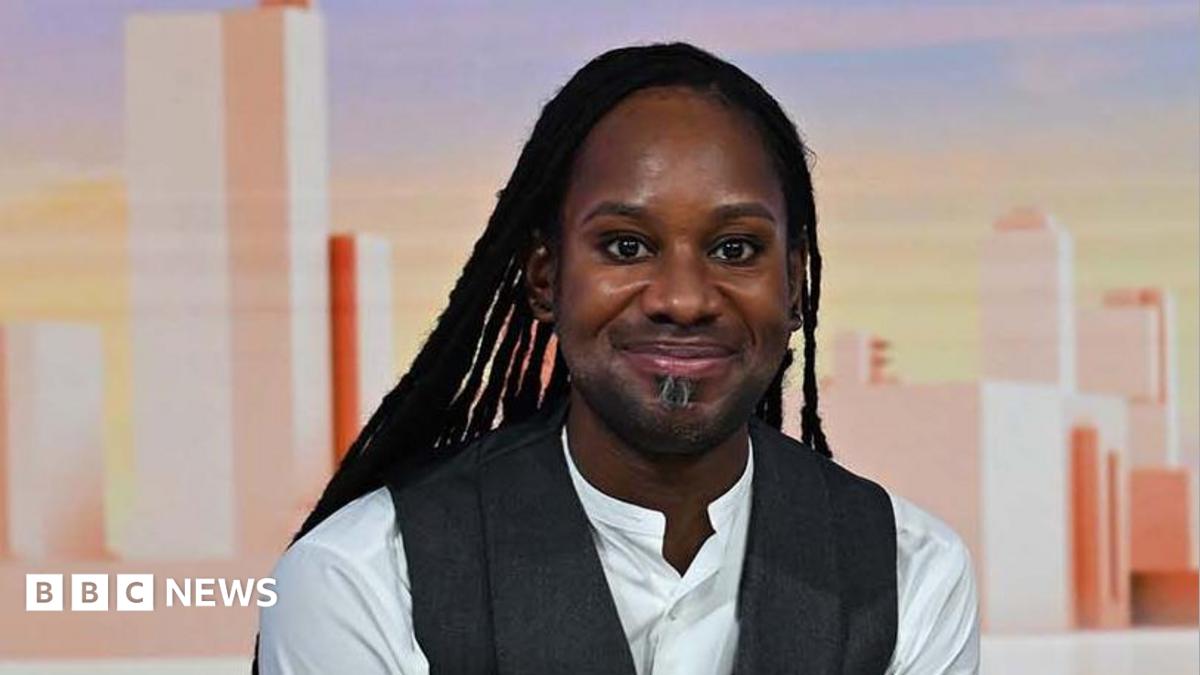
Cambridge professor Jason Arday is defending his academic integrity against plagiarism allegations raised by former colleague Nathan Cofnas. While Arday has acknowledged specific errors, he firmly denies intentional dishonesty amidst a broader discourse on racism in academia.
The Academic Integrity Controversy at Cambridge
Professor Jason Arday, a prominent figure at the University of Cambridge, has recently found himself at the center of a significant academic controversy. The scrutiny began following allegations of plagiarism leveled against his body of work by Nathan Cofnas, a former Cambridge academic who was dismissed from the institution in 2024. Cofnas, who identifies as a "race realist," publicly challenged both the academic integrity of Arday’s writing and the validity of his professional achievements.
Addressing the Allegations and Accountability
In response to the mounting public and online criticism, Professor Arday has opted for a stance of transparency. In a recent interview with The Times, he acknowledged that there were indeed errors present within his published work. However, he drew a firm line between technical mistakes and intentional academic misconduct. By stating, "what I am not is a liar," Arday sought to protect his reputation against accusations of systemic deceit, emphasizing that he takes full accountability for the oversight of those specific errors.
The Intersection of Race and Academic Scrutiny
This incident has sparked a polarized debate within the academic community, highlighting deep-seated tensions regarding race and institutional culture. Supporters of Professor Arday have suggested that the intensity and nature of the attacks against him are motivated by racial prejudice rather than a genuine concern for academic rigor. Conversely, other critics maintain that the plagiarism claims themselves are legitimate and deserve a formal institutional investigation, regardless of the political motivations of the accuser.
Institutional Context and Orchestrated Attacks
Professor Arday has suggested that the criticism he faces is not an isolated event but part of a larger, coordinated effort. He indicated that since his arrival at Cambridge, he has perceived a "very well orchestrated" campaign against him. This perspective frames the plagiarism row not merely as a dispute over citations or methodologies, but as a symptom of a hostile environment for minority academics in elite institutions.
Broader Implications for Higher Education
The controversy serves as a microcosm for the broader challenges facing modern academia, where the line between legitimate scholarly critique and politically motivated harassment is increasingly blurred. As universities grapple with the dual pressures of maintaining rigorous academic standards and fostering inclusive environments, the treatment of high-profile scholars like Arday will remain a litmus test for how institutions handle public allegations.
Future Trends in Academic Accountability
Looking forward, this incident will likely force Cambridge University and similar institutions to refine their protocols for handling plagiarism accusations, especially when they intersect with high-stakes cultural debates. The outcome of this situation may influence how universities balance the need for public accountability with the necessity of protecting faculty members from campaigns that may be rooted in bias. The focus will now shift to whether the institution formalizes its review of these alleged errors.