Amritsar at 450: The eternal city
Source Entity
Vernika Awal
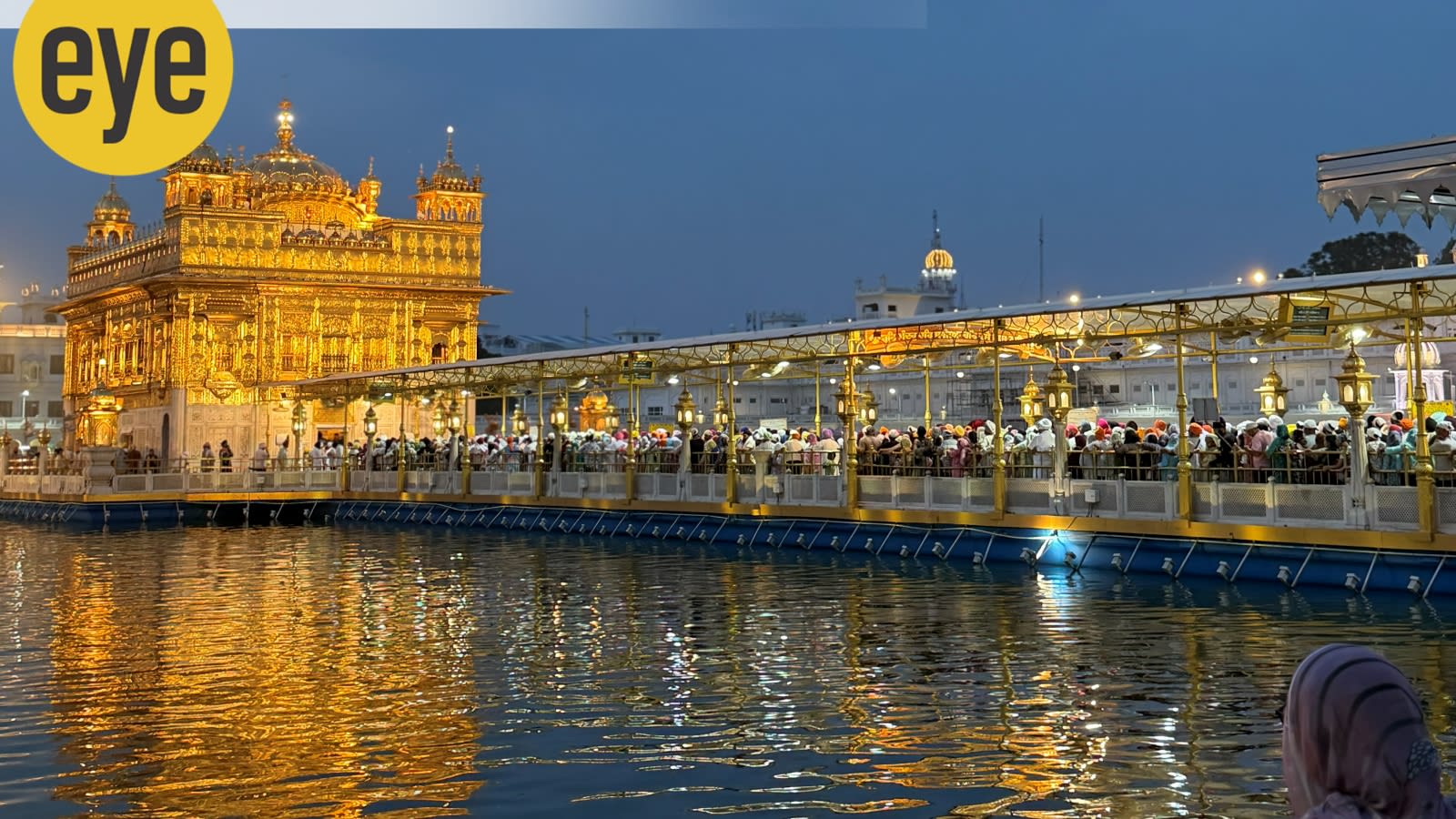
Amritsar celebrates its 450th anniversary, reflecting on its rich historical architecture and enduring cultural heritage. The city remains a living monument where ancient traditions and urban evolution coexist within its historic walls.
Amritsar at 450: A Living Legacy
As Amritsar marks its 450th anniversary, the city stands as a profound testament to the passage of time and the resilience of cultural memory. Within the confines of the old walled city, the atmosphere is heavy with history, where the physical environment—ranging from weathered havelis to peeling frescoes—serves as a tangible bridge to the past. This milestone is not merely a celebration of years, but a recognition of the city's role as a vessel for historical narratives that continue to shape its identity.
The Architecture of Memory
The urban landscape of old Amritsar is defined by its ornate, carved balconies and structures that have withstood centuries of change. These architectural remnants, while sagging under the weight of time, offer an intimate look into the craftsmanship and aesthetic sensibilities of bygone eras. The havelis, with their faded frescoes and heavy wooden doors, act as silent guardians of personal and collective histories, creating an environment where the past is not just remembered but physically present in the daily life of residents.
Sensory Heritage and Urban Identity
Beyond the static architecture, the city is a sensory experience defined by its enduring traditions. The sound of a ladle striking an iron kadhai and the pervasive scent of jalebis frying in sugar syrup highlight the vibrant, living culture that persists within these ancient walls. This sensory consistency is vital to Amritsar’s character, bridging the gap between its historical origins and its modern-day reality as a bustling urban center.
Historical Context and Preservation
The 450-year journey of Amritsar reflects a complex evolution from a spiritual and commercial hub to a modern metropolis. The preservation of the old city is crucial, as these structures are more than mere buildings; they are artifacts of a historical continuity that defines the region. The juxtaposition of the modern city against the backdrop of the walled city requires a delicate balance between development and the stewardship of architectural heritage.
Looking Toward the Future
As the city looks toward its future, the challenge lies in maintaining the integrity of its historic core while accommodating the needs of a growing population. The 450th anniversary serves as a focal point for assessing how Amritsar can leverage its unique history to foster sustainable growth. By honoring the 'eternal' nature of its streets and traditions, the city can continue to serve as a beacon of cultural preservation in an increasingly homogenized world.
Conclusion: The Eternal City
In conclusion, Amritsar at 450 is a city that invites deep reflection. Its status as an 'eternal city' is earned through the persistent presence of its history, visible in every corner of the old walled city. As it moves into its next chapter, the city remains a vibrant mosaic of the past and present, continuing to offer a profound connection to the eras that built its foundation.