Eye on winter pollution, Delhi government moves up school sports calendar
Source Entity
Sohini Ghosh, Drishti Jain
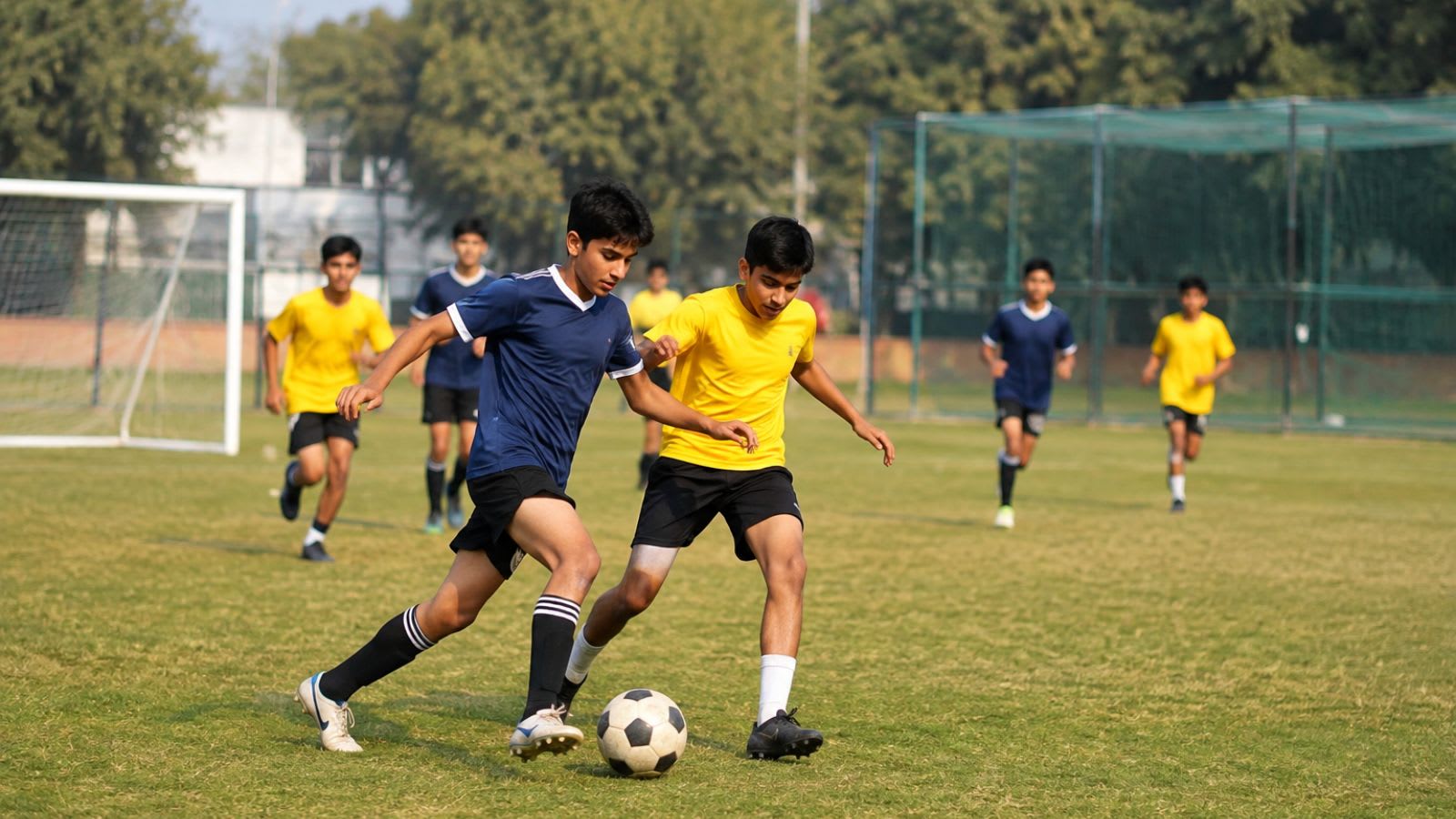
The Delhi government has revised its 2026-27 school sports calendar to conclude all events by September, avoiding the hazardous air quality of winter months. This decision, communicated to the Delhi High Court, aims to protect students from outdoor exposure between November and January.
Delhi Restructures School Sports to Mitigate Winter Pollution Risks
The Delhi government has initiated a significant policy shift regarding the 2026-27 academic sports calendar, prioritizing student health in response to the capital's chronic winter air pollution crisis. By informing the Delhi High Court of its decision to conclude all Delhi State School Games (DSSG) activities by September, the administration is effectively removing outdoor physical activities from the dangerous November-to-January window, during which air quality frequently plummets to 'severe' and 'hazardous' levels.
The Shift in Scheduling
According to a circular issued on July 6 by the Directorate of Education’s sports branch, the revised schedule encompasses a wide array of disciplines, including athletics, rope skipping, thang-ta, throwball, and yoga. By mandating that all zonal competitions be completed by September 19, the government is preemptively rescheduling trials and matches that traditionally occurred during the peak of winter smog. This structural change represents a proactive attempt to decouple physical education from the environmental degradation that historically plagues the city.
Addressing Public Health Concerns
This policy intervention is a direct response to the recurring public health emergency caused by the city's winter air quality. During the months of November, December, and January, the particulate matter (PM2.5 and PM10) concentration often reaches levels that are medically unsafe for prolonged outdoor exertion. By mandating an early completion of school sports, the government is mitigating the risk of respiratory distress and long-term health complications for thousands of students who participate in the DSSG.
Legal and Administrative Oversight
The involvement of the Delhi High Court highlights the systemic nature of this issue. By submitting this revised calendar to the judiciary, the state government acknowledges that current pollution levels are no longer compatible with standard outdoor school activities. This move serves as both a regulatory compliance measure and a public health directive, signaling a potential shift in how educational institutions must adapt to climate-related limitations in urban environments.
Broader Implications and Future Outlook
While the current focus is on the 2026-27 academic cycle, this decision could set a precedent for future urban planning and educational policy. If the air quality in Delhi remains persistently poor during the winter months, other sectors may be forced to adopt similar 'seasonal' scheduling. This adaptation illustrates the growing necessity for institutions to integrate environmental data into their operational planning, moving away from rigid academic calendars toward models that prioritize the immediate safety and well-being of the youth population.