Eggs vs Paneer vs Whey: Who Really Wins India's Protein Math?
Source Entity
NDTV News Search Records Found 1000
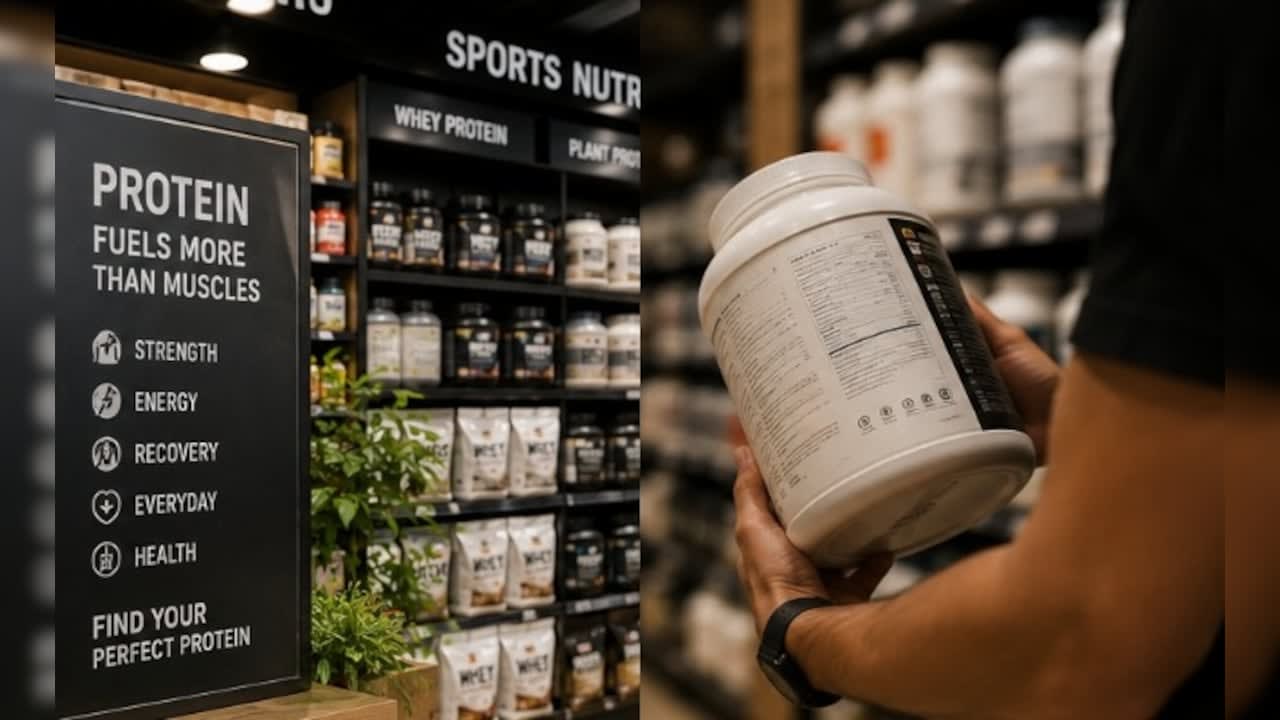
The debate over protein sources like eggs, paneer, and whey has evolved into a significant national conversation in India. This shift reflects a growing public awareness regarding nutrition beyond traditional fitness circles.
The Protein Revolution in India
Protein has transcended its reputation as a niche concern for bodybuilders and gym enthusiasts, evolving into a fundamental component of the national health discourse in India. As dietary awareness grows, the population is increasingly scrutinizing the nutritional value of everyday staples, leading to a comparative evaluation of common protein sources like eggs, paneer, and whey protein.
Eggs: The Accessible Standard
Eggs have long served as the baseline for high-quality, bioavailable protein in Indian households. Their accessibility and affordability make them a staple for those looking to meet daily requirements without significant financial strain. However, cultural and dietary preferences, including widespread vegetarianism, often necessitate the exploration of alternative protein sources to ensure a balanced nutritional intake across diverse demographics.
Paneer: The Vegetarian Staple
Paneer remains a cornerstone of the Indian vegetarian diet, providing a significant protein boost in traditional culinary contexts. While it is a beloved source of nutrition, the nutritional math often highlights concerns regarding its fat content compared to leaner alternatives. This has prompted a nuanced conversation about how to incorporate dairy-based proteins effectively into a modern, health-conscious lifestyle.
The Rise of Whey Protein
Whey protein has moved from specialized athletic supplement stores into mainstream grocery aisles and digital marketplaces. Its convenience and rapid absorption rate make it an attractive option for busy professionals and those who struggle to meet protein targets through whole foods alone. This shift represents a broader trend of integrating processed nutritional supplements into the standard Indian diet to combat widespread protein deficiency.
Broader Implications for Public Health
This 'protein math' is more than just a fitness trend; it is a critical public health development. With a large portion of the Indian population historically consuming protein-deficient diets, the transition toward intentional protein consumption could have profound impacts on long-term health outcomes, including muscle mass preservation, metabolic health, and improved satiety for weight management.
Future Trends in Nutrition
Looking ahead, we can expect the market for protein-rich foods and supplements to continue expanding. Future trends will likely focus on transparency, sustainable sourcing, and the development of plant-based protein alternatives that mimic the convenience of whey. As the conversation matures, the focus will shift from simply 'getting enough protein' to understanding the quality, absorption rates, and overall dietary impact of these various sources within the context of an Indian lifestyle.
Verification Required?