Hot thalis, rainy days: Pune’s enduring monsoon food ritual
Source Entity
Alister Augustine
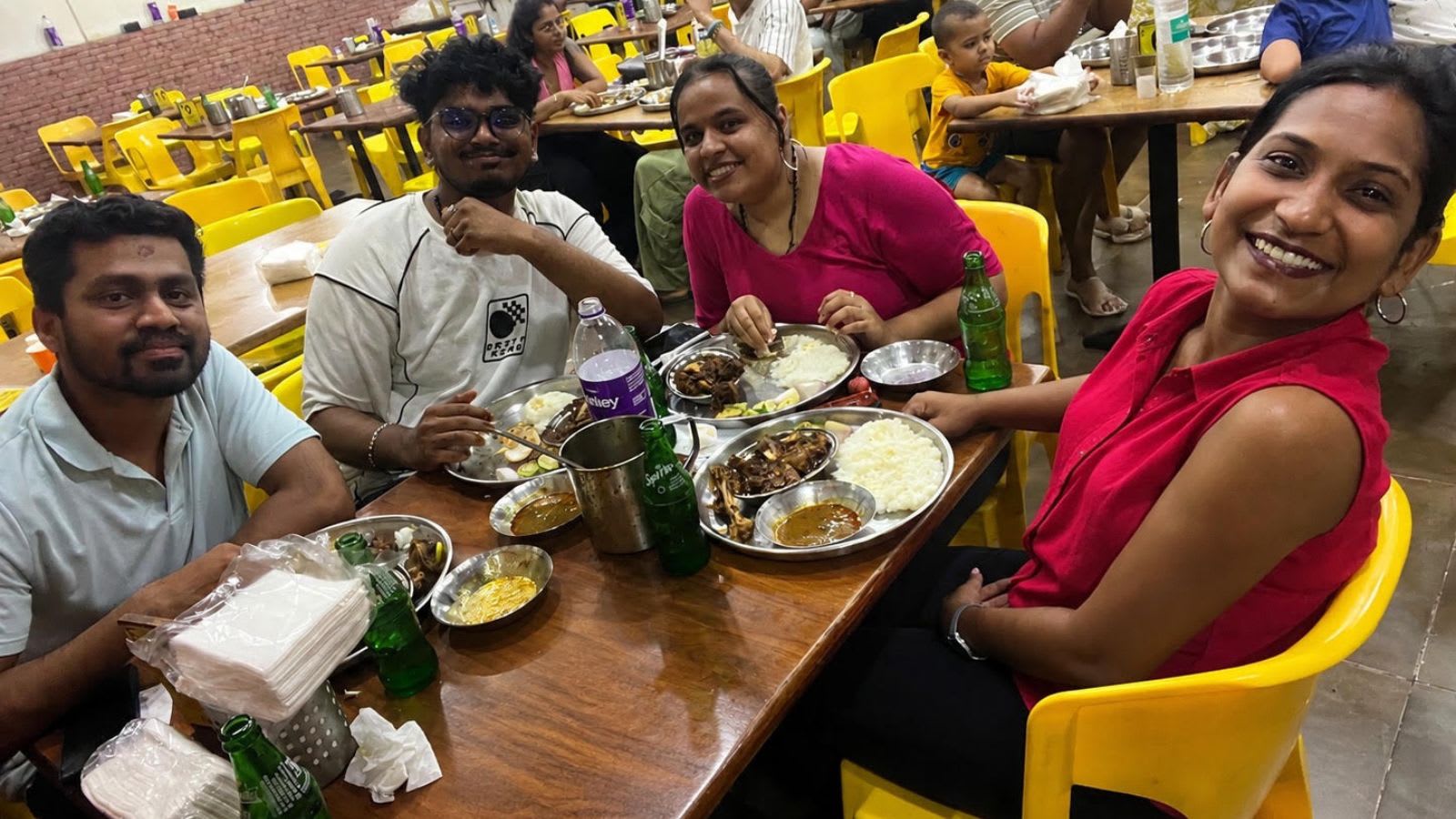
Pune's monsoon season has triggered a surge in demand for traditional non-vegetarian thalis featuring tambda and pandhra rassa. Iconic eateries like Sainath Khanawal are seeing increased patronage as residents seek comfort food during the rainy weather.
The Monsoon Culinary Ritual in Pune
In Pune, the arrival of the monsoon season does more than just lower temperatures; it acts as a cultural catalyst that drives residents toward the city’s traditional culinary institutions. As the rains begin to cool the landscape, there is a palpable shift in dining preferences, with a marked increase in demand for hearty, steaming non-vegetarian thalis. This seasonal phenomenon highlights the enduring connection between climate and local gastronomy, where the comfort of warm, spiced meals becomes a staple of the monsoon experience.
The Staples of Maharashtrian Comfort
At the heart of this seasonal surge are the quintessential Maharashtrian preparations of tambda (red) and pandhra (white) rassa. These flavorful broths, paired with jowar bhakri and preparations of mutton and gavran (country) chicken, serve as the definitive comfort food for many Punekars. The popularity of these dishes during the rains is not merely a trend but a reflection of a long-standing culinary tradition that values the warming properties of these specific spices and preparations when the weather turns damp and cool.
The Evolution of the 'Khanawal' Culture
Central to this narrative is the role of the khanawal—the traditional, often modest, eatery that has historically served as a home-away-from-home for students and working professionals. Sainath Khanawal stands as a prominent example of this evolution. Starting as a small, unassuming establishment in the historic Sadashiv Peth area, it initially catered to the transient demographic of students and laborers who relied on these spaces for affordable, home-style meals.
Scaling Tradition to Meet Demand
The growth of establishments like Sainath Khanawal mirrors the broader expansion of Pune itself. As the city’s geography shifted and families migrated toward the western suburbs, these eateries adapted by expanding their footprint. The establishment of a new branch in Sangvi demonstrates how traditional businesses are bridging the gap between the historic 'Peth' culture and the modern, suburban lifestyle, ensuring that authentic Maharashtrian flavors remain accessible to a wider, growing population.
Social Significance and Future Trends
This trend of flocking to eateries during the weekends suggests that the monsoon food ritual is as much a social event as it is a culinary one. As Pune continues to urbanize, the preservation of these traditional food rituals provides a sense of continuity and identity. Moving forward, it is likely that these heritage eateries will continue to thrive, provided they balance the demands of modernization with the core, authentic recipes that have built their reputations through decades of word-of-mouth acclaim.
Conclusion
The enduring popularity of monsoon thalis in Pune underscores a resilient appetite for local heritage. By maintaining the integrity of traditional preparations like tambda and pandhra rassa while strategically expanding to meet the needs of a changing cityscape, establishments like Sainath Khanawal are ensuring that the city's unique monsoon food culture remains a vibrant part of its future.