US government map of Africa mislabels every country at global conference
Source Entity
Reuters
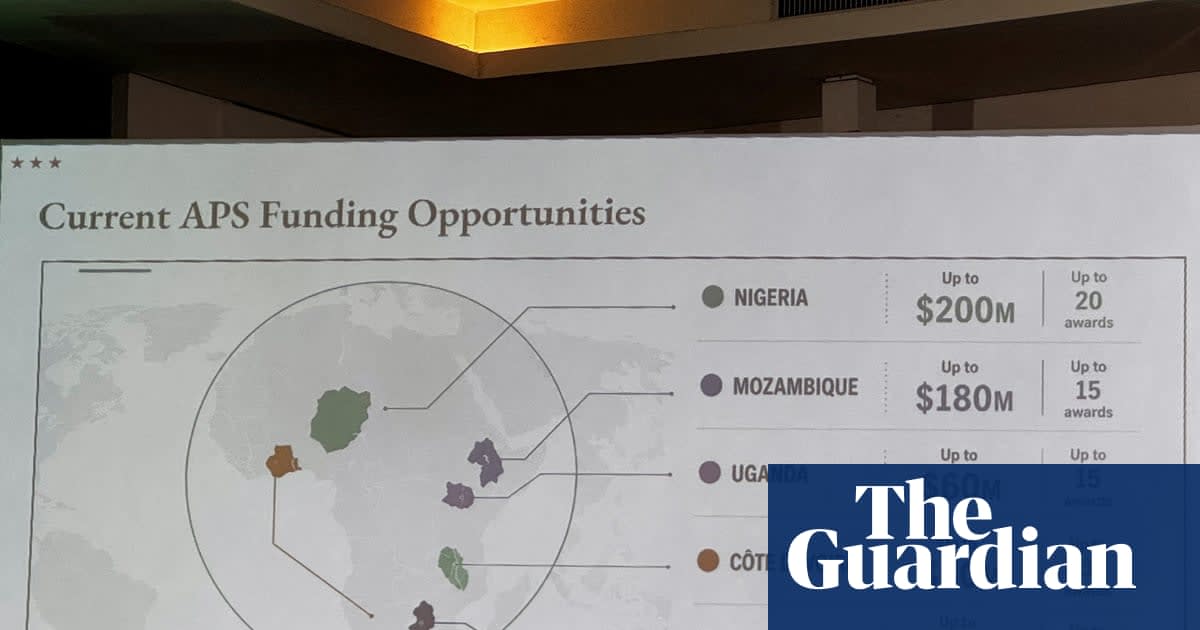
A U.S. State Department presentation at an AIDS conference in Brazil featured a map of Africa with every country mislabeled. The error, attributed to AI-generated content, highlights risks in government reliance on automated tools for official documentation.
The Cartographic Fiasco: A Case Study in AI Oversight
During a recent global health conference in Rio de Janeiro, a presentation delivered by the U.S. State Department became the focal point of international scrutiny. The incident involved a map of Africa displayed during a session on new health agreements, which contained profound inaccuracies: every single country on the continent was mislabeled. This error, which immediately drew the attention of attendees who documented the blunder through viral screenshots, represents a significant lapse in quality control for a government agency tasked with representing American diplomatic and technical precision on the world stage.
The Role of Artificial Intelligence
Perhaps the most concerning aspect of the incident is the revelation that the map was not a legacy document or a manual drafting error, but a product of artificial intelligence. A technical analysis conducted by Reuters identified an AI watermark embedded within the image, indicating it was generated using OpenAI tools. This development underscores a burgeoning tension between the rapid adoption of generative AI in bureaucratic workflows and the necessity of human verification. While AI tools are increasingly used to streamline administrative tasks, this event serves as a stark reminder that these systems do not possess geographical or geopolitical awareness, and their outputs are prone to 'hallucinations' that can have diplomatic consequences.
Institutional Accountability and Response
The U.S. State Department has moved to address the fallout, issuing a statement taking "full responsibility" for the error. The department clarified that the map was produced by a team member, highlighting the human-in-the-loop failure that allowed an unverified, machine-generated graphic to bypass standard review protocols. In the context of a high-profile event like the AIDS 2026 conference, such a mistake undermines the credibility of the presentation's technical content, shifting the focus from critical health initiatives to the department's internal procedural failures.
Broader Implications for Diplomatic Communication
Diplomacy is built upon the foundation of accurate representation and spatial awareness. By mislabeling an entire continent, the State Department inadvertently signaled a lack of attention to detail that could be misconstrued by international partners as dismissiveness or incompetence. When official government presentations are displayed at global forums, they carry the weight of the nation's institutional knowledge. This incident raises urgent questions about the vetting processes required for AI-generated materials within federal agencies to prevent future public relations and diplomatic embarrassments.
Future Trends in Government AI Adoption
Looking forward, this event is likely to serve as a catalyst for stricter federal guidelines regarding the use of generative AI in public-facing materials. As government entities continue to explore ways to reduce costs and increase productivity through automation, the 'Rio Incident' provides a clear roadmap of the risks involved. Future trends will likely necessitate a mandatory 'human-verified' certification for any AI-assisted graphic or document used in official capacity. The transition to AI-integrated governance will require not only technological investment but also a robust framework for digital literacy and verification to ensure that the convenience of automation does not come at the cost of factual integrity.