US signs $58.6bn mega deal for Patriot missiles as stock runs low amid Iran war
Source Entity
AYUSH PANDEY
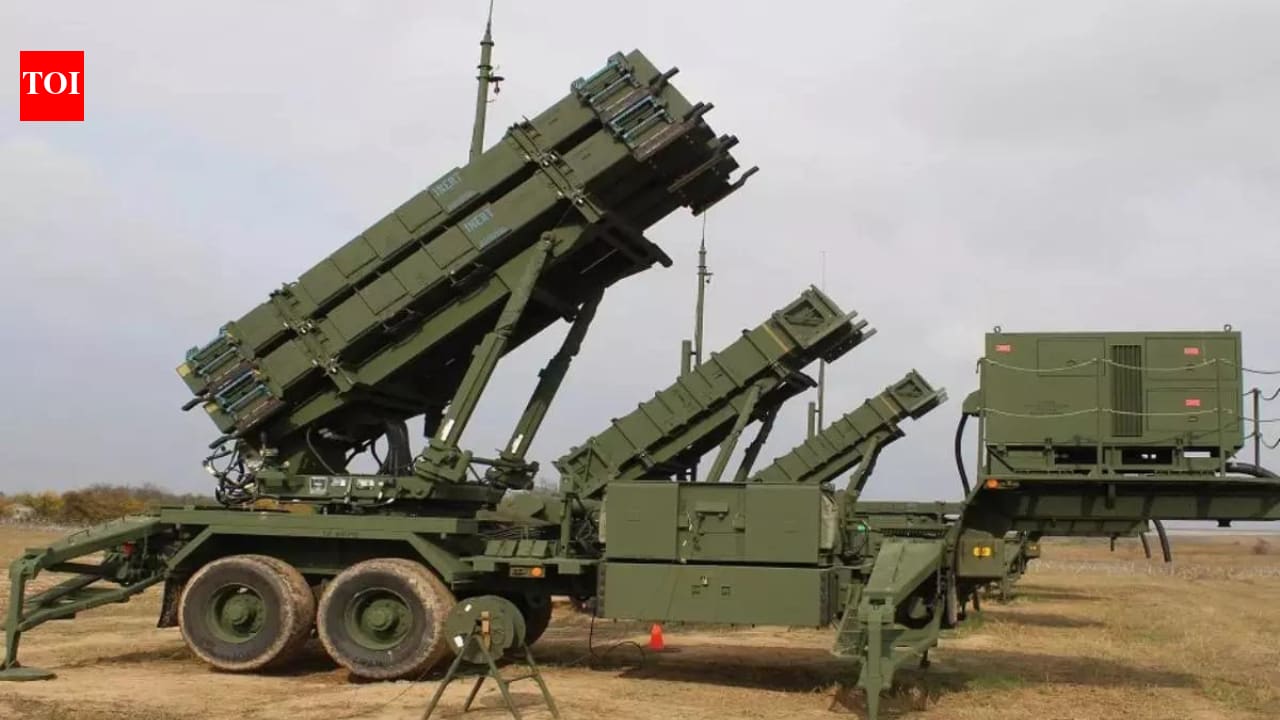
The US has signed a $58.6 billion contract with Lockheed Martin to ramp up Patriot missile production through 2032. This move addresses critical inventory shortages caused by ongoing support for Ukraine and regional tensions in the Middle East.
The Strategic Expansion of US Air Defense Capabilities
The United States has taken a decisive step to fortify its national security infrastructure by awarding Lockheed Martin a $58.6 billion contract for the production of Patriot Advanced Capability-3 Missile Segment Enhancement (PAC-3 MSE) interceptors. This transition from a one-year, $4.7 billion agreement to a robust seven-year procurement framework covering fiscal years 2026 to 2032 signals a significant shift in Pentagon acquisition strategy. By securing long-term production, the Department of Defense aims to mitigate the risks associated with volatile supply chains and the rapid expenditure of high-end munitions.
Addressing Dwindling Stockpiles
The urgency behind this procurement is rooted in the current geopolitical climate, where the US has been tasked with maintaining its own readiness while simultaneously supplying significant quantities of air defense assets to Ukraine and other global allies. Ongoing military operations and heightened tensions in regions including Iran have placed an unprecedented strain on US missile inventories. This contract is a direct response to the reality that existing stockpiles are being depleted faster than they can be replenished, threatening the country's strategic depth.
Scaling for Industrial Resilience
A core objective of this agreement is to triple the current production capacity of these critical interceptors. The Pentagon’s commitment to this expansion is not merely about volume; it is about creating an industrial base capable of rapid surge manufacturing. By fostering long-term stability for Lockheed Martin and its subcontractors, the US government is incentivizing facility upgrades and workforce growth, which are essential for sustaining the production of complex, precision-guided weaponry over the next decade.
Broader Pentagon Manufacturing Goals
This deal serves as a cornerstone for broader Pentagon efforts to modernize and accelerate weapons manufacturing across the board. In an era of great power competition, the ability to produce and sustain high-tech air defense systems at scale has become a primary metric of military preparedness. The shift toward multi-year procurement contracts reflects a departure from year-to-year budgeting, providing the defense industry with the predictability required to invest in capital equipment and personnel training.
Implications for Global Security
The ripple effects of this deal extend far beyond domestic manufacturing. As the United States reinforces its own air defense capabilities, it simultaneously signals to allies and adversaries alike that it is committed to maintaining its technological and logistical edge in contested environments. By ensuring a steady flow of PAC-3 MSE interceptors, the US is better positioned to manage regional instability without compromising its own defensive integrity, ultimately shaping the future of global security architecture.