Opinion: Opinion | BRICs At 25: Demography Awaits Dividend
Source Entity
NDTV News Search Records Found 1000
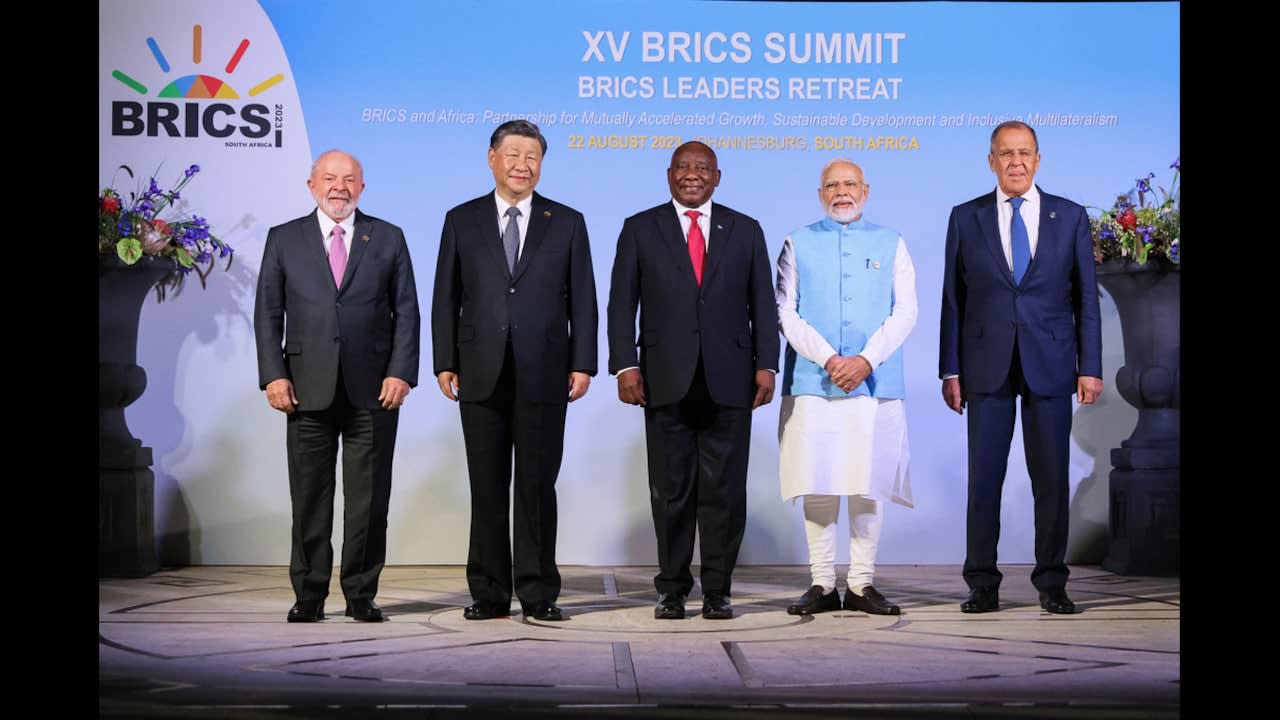
Twenty-five years after its inception, the BRICS bloc faces a critical juncture where demographic potential remains largely unrealized. The group now awaits decisive political action to translate its economic promise into tangible growth.
The BRICS Milestone: A Quarter-Century of Unfulfilled Potential
As the BRICS grouping marks its 25th anniversary, the narrative surrounding the bloc has shifted from optimistic expansion to introspective analysis. Despite the passage of two and a half decades, five distinct government iterations, and an endless cycle of high-profile investment summits, the fundamental promise of the coalition remains tethered to unrealized potential. The core issue, as highlighted by recent discourse, is that while the demographic window of opportunity remains open, the political machinery required to leverage this human capital has yet to fire on all cylinders.
The Gap Between Summits and Strategy
The frequency of investment summits held by BRICS nations suggests a high level of diplomatic engagement and economic aspiration. However, these events have often been criticized for prioritizing symbolic gestures over structural reform. The disparity between the volume of meetings and the actual economic output—specifically regarding the 'demographic dividend'—indicates a systemic disconnect. While the member nations boast vast, young, and growing labor forces, the institutional frameworks necessary to integrate these populations into high-productivity sectors remain underdeveloped.
Navigating the Demographic Dividend
The demographic dividend refers to the accelerated economic growth that can result from a decline in a country's mortality and fertility rates and the subsequent change in the age structure of the population. For BRICS nations, this period is finite. History shows that failing to provide education, infrastructure, and job creation during this window can lead to demographic stagnation rather than a dividend. The current critique suggests that politics has become a bottleneck, preventing these nations from capitalizing on their most valuable asset: their people.
Political Will vs. Economic Reality
Why have five governments across these nations struggled to propel the promise? The answer lies in the complexity of aligning the disparate political interests of Brazil, Russia, India, China, and South Africa. Each nation operates under unique socio-economic pressures, making a unified policy approach difficult to sustain. The challenge for the next decade is whether these governments can shift focus from broad declarations of cooperation to specific, actionable policies that prioritize domestic labor reform and human capital development.
Future Trends and Strategic Outlook
Looking ahead, the longevity of the BRICS bloc will depend on its ability to move beyond the 'summit culture' that has defined its first 25 years. If the grouping is to remain relevant in a rapidly changing global economy, it must pivot toward a more pragmatic agenda. This involves not only addressing internal political friction but also creating a cohesive strategy that allows the demographic dividend to translate into actual GDP growth and improved standards of living for their citizens.
Conclusion
In summary, the 25-year milestone serves as a stark reminder that demography is not destiny. Without the right political interventions, the promise of the BRICS nations will remain a subject of debate rather than a driver of global economic transformation. The coming years will be the definitive test of whether these nations can synchronize their political apparatus with the urgent needs of their demographic profiles.
Verification Required?