"Want Sheikh Hasina To Return, Remove Ban On Her Party": Taslima Nasreen
Source Entity
NDTV News Search Records Found 1000
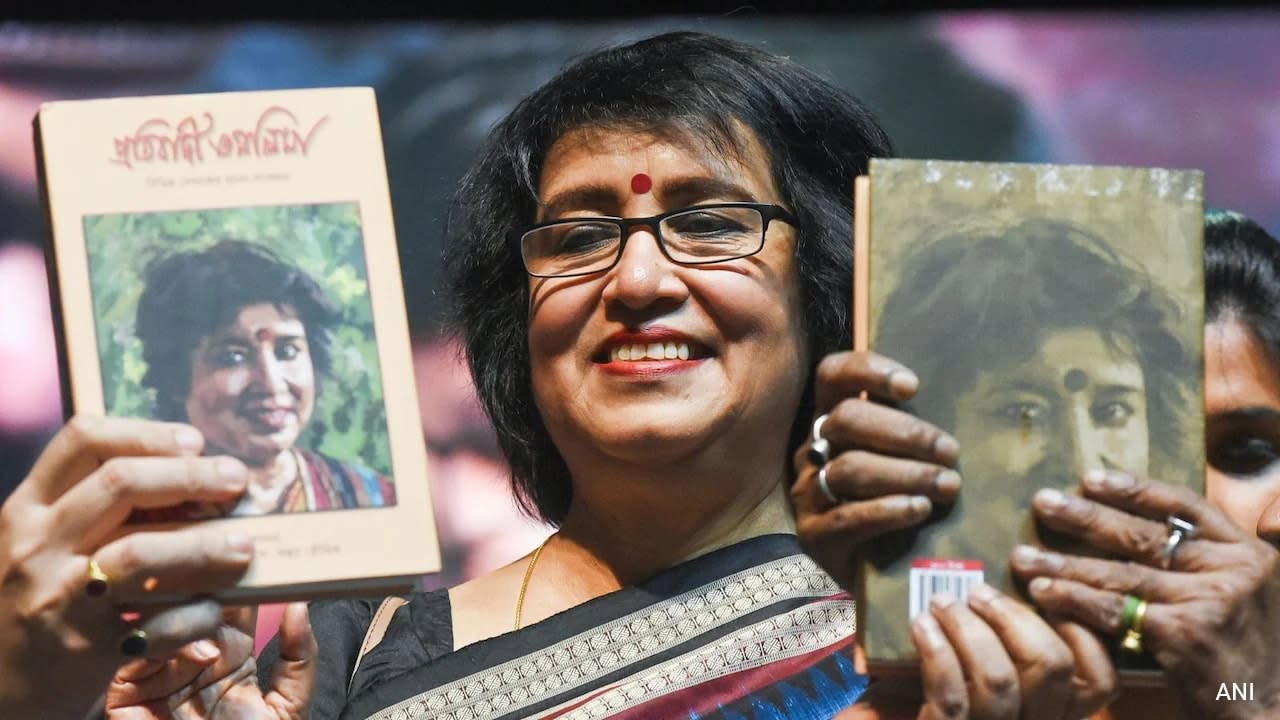
Exiled Bangladeshi author Taslima Nasreen has called for the return of former Prime Minister Sheikh Hasina and the lifting of the ban on the Awami League. Her comments were made during a book-related event held in Kolkata.
Taslima Nasreen Calls for Political Reversal in Bangladesh
The Context of the Statement
Renowned Bangladeshi author and activist Taslima Nasreen, currently living in exile, has publicly advocated for the return of former Prime Minister Sheikh Hasina to Bangladesh. This call comes alongside her explicit demand to remove the current ban imposed on the Awami League, Hasina's political party. Nasreen expressed these sentiments while showcasing her literary works during a public program in Kolkata, highlighting the intersection of her personal activism and the volatile political climate currently gripping her home country.
Historical Context of Nasreen's Exile
To understand the gravity of these comments, one must consider Nasreen’s long-standing history with Bangladeshi politics. Having faced persecution and forced exile for decades due to her controversial writings on religious fundamentalism and women's rights, Nasreen remains a polarizing figure in the region. Her appeal for the restoration of the previous administration suggests a complex perspective on the current political vacuum and the rise of opposing factions that have historically marginalized her views and presence within Bangladesh.
Analyzing the Call to Lift the Ban
The demand to lift the ban on the Awami League is a significant political stance. Since the ousting of Sheikh Hasina following widespread civil unrest, the political landscape in Bangladesh has undergone a seismic shift. The ban on the party represents a systematic effort by the current interim authorities or opposition coalitions to dismantle the influence of the previous regime. By speaking out against this, Nasreen is signaling her concern regarding the trajectory of democratic pluralism and the potential for long-term political instability if major political entities are excluded from the national discourse.
Broader Implications for South Asian Politics
This development underscores the fragility of the democratic transition in South Asia. When prominent exiled voices weigh in on the domestic affairs of their home nations, it often highlights the deep-seated divisions that define regional politics. The situation in Bangladesh is being closely monitored by neighboring nations, particularly India, due to the geographic and historical ties between the two countries. Nasreen’s choice of a platform in Kolkata—a city with deep cultural and political links to Bangladesh—further amplifies the cross-border resonance of her message.
Future Trends and Political Stability
Looking forward, the call to reinstate the Awami League and return Sheikh Hasina to the political fold poses a challenge to the current interim governance. The success of Bangladesh’s transition will likely depend on whether the country can move toward inclusive elections or if it will remain trapped in a cycle of banning and excluding political rivals. Nasreen’s intervention serves as a reminder that the narrative surrounding the post-Hasina era remains highly contested, with exiled intellectuals playing an increasingly vocal role in shaping international perception.
Verification Required?