Why fishers in Kerala ignore dire warnings and venture into sea
Source Entity
India Latest News: Top National Headlines Today & Breaking News | The Hindu
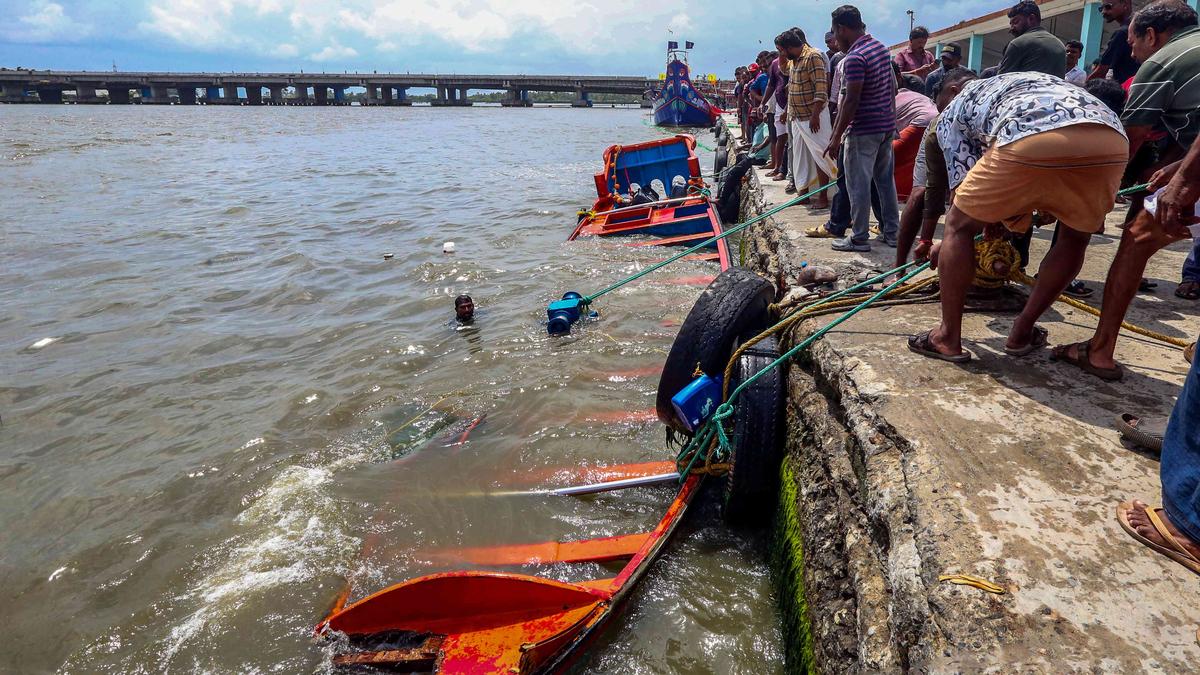
The end of the trawling ban in Kerala has been overshadowed by severe weather warnings, leaving fishers in a precarious position. Many are forced to choose between the life-threatening risks of the sea and the immediate reality of starvation due to a lack of government safety nets.
The Perilous Intersection of Climate and Livelihood
The traditional lifting of the 52-day trawling ban off the Kerala coast, originally scheduled for August 1, 2026, has been met with widespread inactivity rather than the expected economic surge. While hundreds of vessels and their crews, including migrant workers, had prepared for the resumption of deep-sea fishing, the India Meteorological Department (IMD) issued urgent warnings for the coasts of Kerala, Karnataka, and Lakshadweep. These warnings, citing gusty winds and inclement weather, have effectively paralyzed the industry at the very moment it was meant to restart.
The Economic Trap of Survival
For the fishing communities of Kerala, the choice to remain docked is rarely simple. Union leaders have pointed out that while government directives mandate staying home during extreme weather, these orders are not accompanied by minimum wage guarantees or compensation packages. Consequently, many fishers view the risk of a storm as a secondary concern compared to the immediate, guaranteed threat of starvation. This creates a tragic paradigm where, as one fisher noted, the choice is reduced to either starving on land or risking death at sea.
A History of Human Tragedy
Recent events highlight the lethal consequences of this economic pressure. Between July 29 and the start of August 2026, a period during which a blanket weather warning was in effect, incidents at Muthalapozhi, Vizhinjam, Tangasseri, and Neendakara resulted in two confirmed deaths and five missing persons. These tragedies underscore the failure of current safety protocols to account for the socioeconomic desperation of the workforce. Despite the clear danger, the lack of financial support for those grounded by weather leaves them with little incentive to prioritize safety over income.
Institutional Powerlessness
Government officials have admitted to a lack of enforcement capabilities at many fishing harbours. While some vessels from Kochi defied the warnings and departed, authorities remain largely unable to physically prevent departures from smaller, decentralized centres. This gap between meteorological warnings and actual compliance reveals a systemic vulnerability in the regional fisheries management framework, where official warnings serve as advisory notices rather than enforceable barriers.
Future Trends and Policy Implications
Moving forward, the reliance on seasonal fishing bans as the primary tool for conservation and safety appears insufficient without a robust social security component. Unless the state provides a financial safety net for fishers during periods of enforced inactivity, the cycle of ignoring weather warnings will likely continue. Climate change is expected to increase the frequency of such extreme weather events, suggesting that the current model of 'stay-at-home' directives without economic compensation is increasingly untenable and will likely lead to further loss of life.
Verification Required?