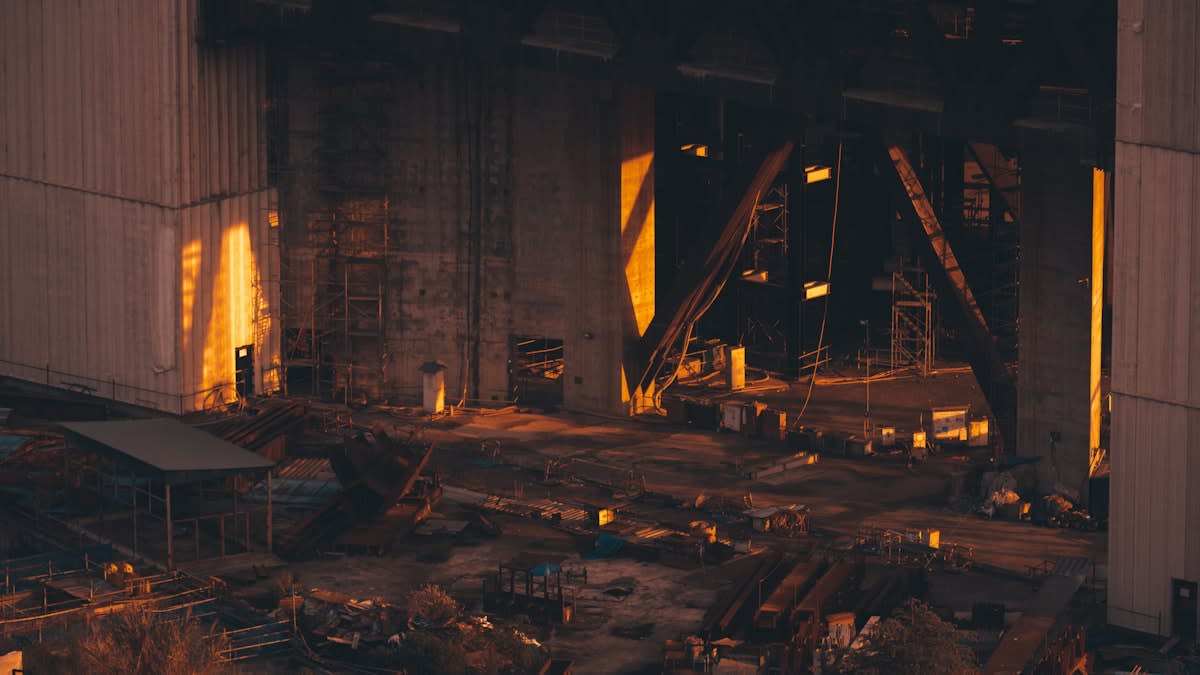
For decades, the global economy operated on a predictable, almost colonial, rhythm: the Global South extracted raw materials, shipped them across oceans, and watched as the Global North captured the lion's share of the value through processing and branding. This parasitic arrangement is currently collapsing. We are witnessing a systemic pivot where resource-rich nations are no longer asking for a seat at the table; they are building their own tables. By banning raw exports, these states are using their geological endowments as diplomatic and economic cudgels to force the localization of industry.
Why now? The convergence of a desperate global energy transition and a tightening of supply chains has handed unprecedented leverage to those who hold the dirt. When the world needs lithium for batteries and nickel for EVs, the owner of the mine suddenly holds the keys to the future. This isn't mere resource nationalism; it is a calculated strategic realignment. These nations have realized that exporting raw ore is essentially exporting jobs, technology, and future wealth.
The Indonesian Blueprint: Engineering a New Precedent
Indonesia is currently providing the masterclass in how to weaponize a commodity. In July 2026, the nickel smelter association, FINI, confirmed a massive bottleneck where approximately 120 surveyor reports remained unissued across multiple mining regions. Without these reports, export clearance for strategically vital products like nickel pig iron (NPI), ferronickel, and mixed hydroxide precipitate (MHP) simply cannot proceed. This isn't a bureaucratic glitch; it is a signal. Jakarta is demonstrating that it can turn the tap off instantly if its broader industrial goals aren't met.
The real play, however, lies in the Rare Earth Element (REE) threshold framework. If Indonesia successfully enforces these checks, it creates a compliance layer that every global mineral trader must navigate. By linking the export of common minerals to the strict management of REEs, Indonesia is forcing foreign investors to integrate more deeply into the local economy. They aren't just selling nickel; they are selling the right to access the supply chain, and the price is local investment in smelting and refining.
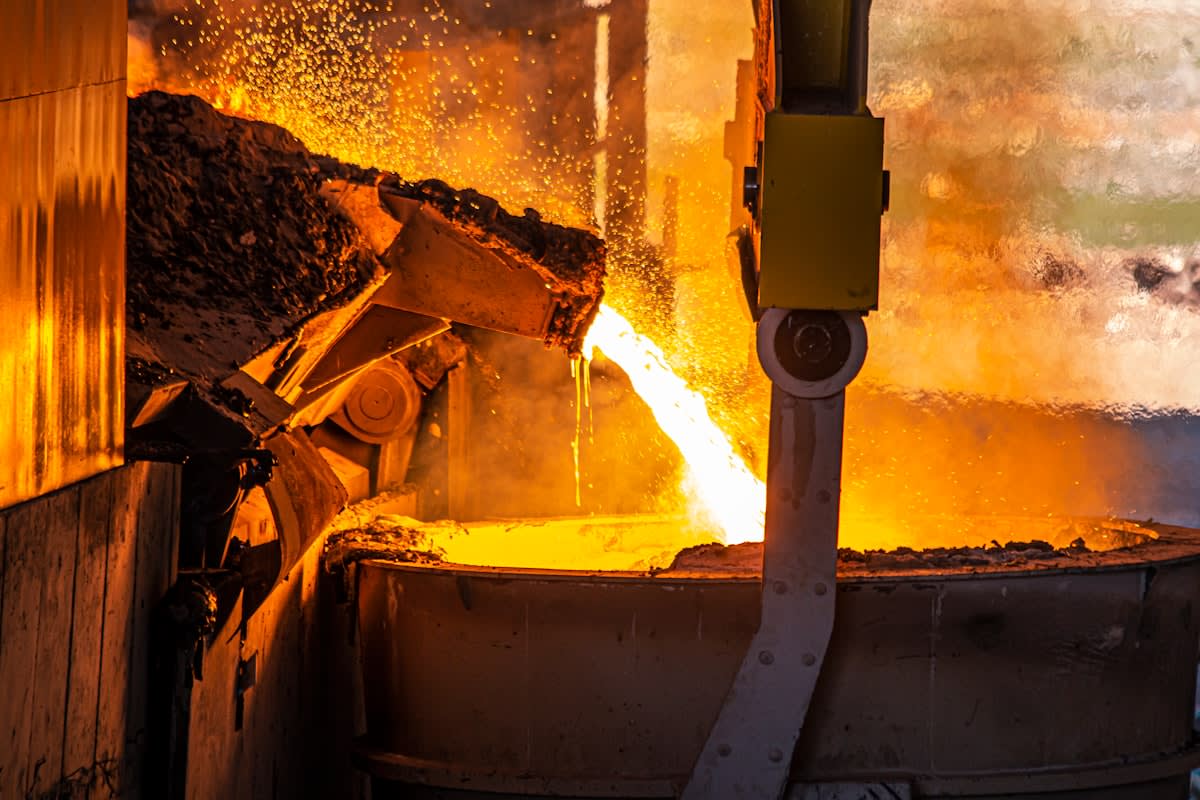
This shift in Indonesia sends a ripple effect through the bauxite and alumina sectors. When a nation decides that raw dirt is too cheap to export, the entire global cost structure shifts. Traders who once relied on the frictionless flow of raw materials now find themselves negotiating with sovereign states that demand factories, not just checks. Is this disruptive? Absolutely. Is it a necessary correction for the producer? Indisputably.
Key Concept: Beneficiation
Beneficiation is the process of improving the chemical or physical properties of a raw material to increase its value. In the current geopolitical climate, beneficiation is the primary tool for economic sovereignty.
Africa's Industrial Awakening
Across the African continent, the sentiment is shifting from cooperation to demand. In Zambia and the DRC, the second-largest copper producer is curbing raw exports and placing aggressive demands on Chinese firms. The message is clear: long-term mineral access is now conditional on in-country processing. We see this mirrored in West Africa, where Nigeria's President Bola Tinubu has declared an end to raw cocoa bean exports. Nigeria is no longer content being the world's bean provider; the mandate is now to grind beans, press butter, and manufacture branded chocolate domestically.
Zimbabwe is perhaps the most aggressive player in the battery metal space. In 2026, the nation saw a staggering 230% surge in lithium exports, yet this growth is being used to fuel a hard pivot. A total export ban on raw lithium is slated for January 2027. The goal is a total transition toward sulphate processing. By forcing the production of lithium sulphate locally, Zimbabwe is positioning itself as a strategic hub in the global battery supply chain, attracting higher-quality counterparties and longer-term offtake agreements.
"For decades, Africa's role in global commodity markets followed a familiar and frustrating pattern: extract raw materials, ship them abroad, and watch other nations capture the majority of the value."— Analysis of Zimbabwe's Lithium Sector
However, this transition is not without friction. The case of Valterra Zimbabwe, facing $100 million in unpaid export proceeds, highlights the dangers of aggressive forex retention rules. When a state tries to force wealth localization too quickly without the supporting financial infrastructure, it can trigger a sovereign debt crisis. The tension between the desire for industrialization and the need for liquid foreign exchange is the central conflict of the beneficiation pivot.
The Indian Nuance: Strategic Leverage in the Low-Grade
Not every pivot is about high-tech batteries or luxury chocolate. In India, specifically within the Odisha region, the crackdown on low-grade iron ore exports reveals a different kind of leverage. While low-grade ore represents a small fraction of global trade, it is critical for Chinese blast furnace blending strategies. By tightening compliance and threatening export duties, Odisha is exercising an outsized influence on the cost structures of Chinese mills.
This is a compliance reset designed for revenue recovery. The Indian government's interest in royalty recovery shows that beneficiation isn't always about building a factory; sometimes it's about ensuring the state gets its fair share of the existing value. For global supply chain planners, the lesson is stark: sub-sovereign jurisdictions can generate market disruptions that are disproportionate to the volume of material involved.
| Nation | Target Material | Pivot Mechanism | Strategic Objective |
|---|---|---|---|
| Indonesia | Nickel / REE | Surveyor Report Delays | Establish Global Compliance Precedent |
| Zimbabwe | Lithium | Jan 2027 Raw Ban | Domestic Sulphate Processing |
| Nigeria | Cocoa | Raw Bean Export Ban | Domestic Chocolate Manufacturing |
| India (Odisha) | Low-Grade Iron Ore | Compliance Crackdown | Royalty Recovery & Chinese Mill Leverage |
| Zambia/DRC | Copper | Raw Export Curbs | In-country Processing Mandates |
The common thread across these diverse geographies is the rejection of the 'raw material trap.' Whether it is a cocoa bean in West Africa or a spodumene crystal in Zimbabwe, the logic remains the same: the value is in the processing. By restricting the exit of raw materials, these nations are forcing the technology and the capital to move to the resource, rather than moving the resource to the capital.

The Systemic Fallout: A New Global Trade Map
What happens to the global economy when the 'quarries' stop shipping? First, we see a redistribution of industrial capacity. Smelters and refineries that were once concentrated in a few hubs are now being forced to decentralize. This creates a more resilient, albeit more expensive, global supply chain. The era of hyper-efficient, low-cost raw material sourcing is ending, replaced by a model based on strategic partnership and local equity.
We are also seeing a shift in the type of investors entering these markets. The 'extract-and-exit' miners are being replaced by strategic partners who are willing to invest in long-term infrastructure. In Zimbabwe, for instance, domestic processing makes the sector more attractive to high-quality counterparties who prioritize supply security over short-term margins. This is a fundamental change in the risk-reward profile of mining investments.
Ultimately, the Great Beneficiation Pivot is an exercise in resilience. By diversifying their economic base and capturing more of the value chain, these nations are insulating themselves from the volatility of raw commodity prices. They are moving from the periphery of the global economy to the center, transforming their geological luck into sustainable industrial wealth.
The question is no longer if this shift will happen, but how fast it will accelerate. As more nations adopt the Indonesian or Zimbabwean model, the global trade map will be redrawn. The winners will be those who recognize that the era of cheap, raw extraction is over, and the era of the industrial partner has begun.