Is Russia’s war spilling into Europe? Why Poland, France raised alarm
Source Entity
Aniruddha Dhar
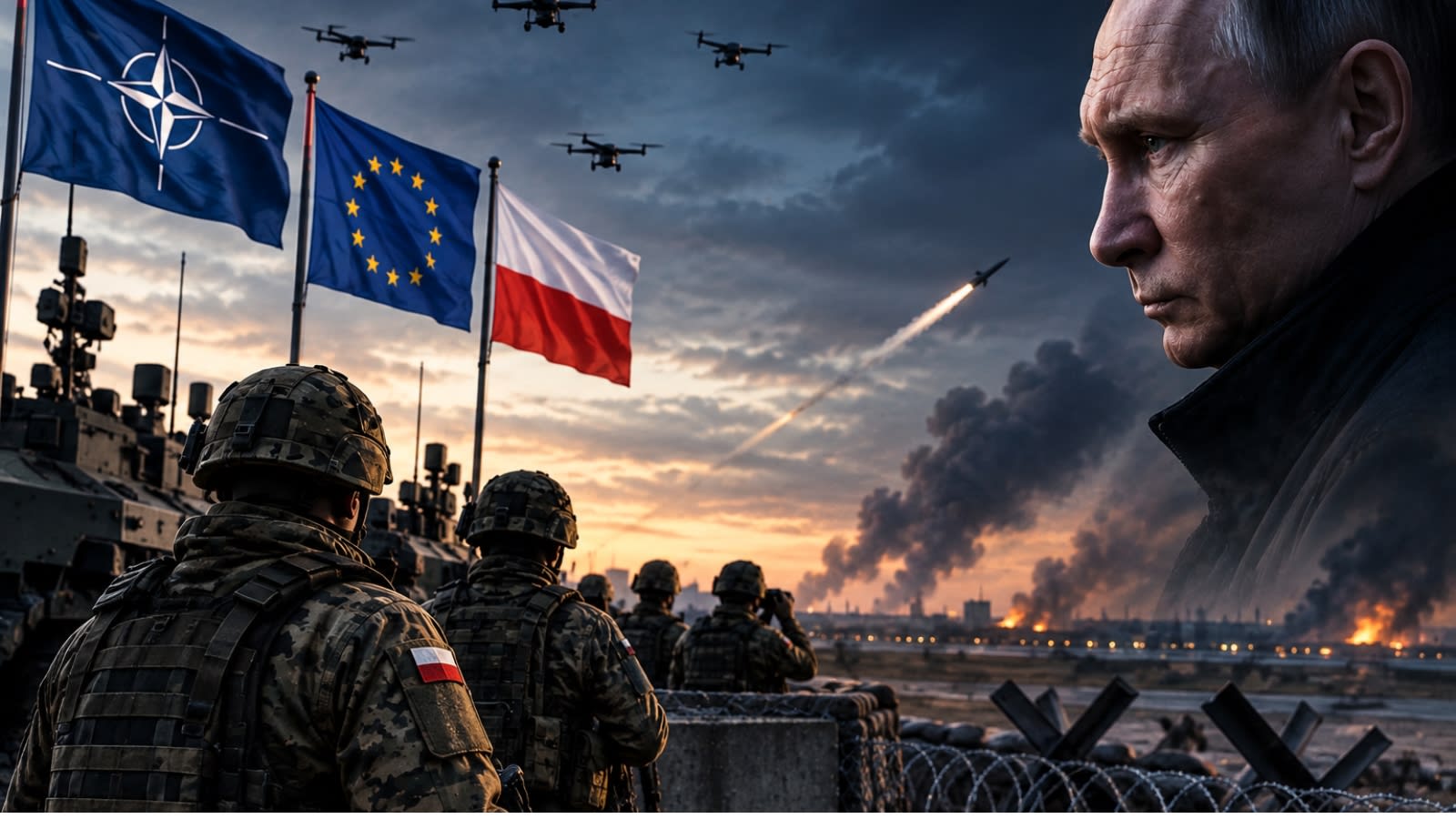
European leaders, including Polish PM Donald Tusk and French President Emmanuel Macron, are warning of heightened Russian hybrid threats. They fear Moscow may use drones or missiles to test NATO's resolve while attempting to frame potential strikes as accidents.
The Escalating Shadow War: Europe’s Hybrid Threat Assessment
Recent intelligence assessments from European capitals, most notably Warsaw and Paris, suggest a significant shift in the security landscape of the continent. European leaders have issued urgent warnings regarding an intensifying campaign of hybrid warfare allegedly orchestrated by Russia. This strategy, according to Polish Prime Minister Donald Tusk, involves the potential use of drones and missiles to probe the vulnerabilities of NATO’s eastern flank. The primary objective of such actions appears to be testing the alliance's collective resolve and operational readiness while maintaining a veneer of deniability.
The Strategy of Plausible Deniability
The central concern articulated by Polish intelligence is that Russia might deliberately execute strikes—or allow equipment to stray—into NATO territory, subsequently framing these incidents as accidental. By labeling a kinetic event as an error rather than an act of aggression, Moscow potentially aims to create ambiguity regarding the invocation of Article 5, NATO’s mutual defense clause. This gray-zone tactic is designed to paralyze decision-making processes within the alliance, forcing member states to weigh the risks of escalation against the necessity of a proportional response.
Protecting Critical Infrastructure
In response to these assessments, French President Emmanuel Macron has ordered a comprehensive review and hardening of French critical infrastructure. The focus is not merely on physical defense but also on safeguarding sensitive defense-industrial sites against the dual threats of cyberattacks and drone incursions. This proactive stance reflects a broader European recognition that the modern battlefield is no longer confined to the front lines in Ukraine, but now encompasses the domestic stability and industrial capacity of all NATO-aligned nations.
NATO’s Eastern Flank Under Pressure
The eastern flank of NATO—comprising countries like Poland, the Baltic states, and Romania—finds itself on the front line of these hybrid maneuvers. Because these nations share borders with Russia or its strategic ally, Belarus, they are particularly susceptible to incidents involving stray projectiles or deliberate provocations. The psychological pressure exerted by these recurring threats is intended to erode public confidence in NATO’s ability to provide security, thereby weakening political support for continued military aid to Ukraine.
The Future of European Security
Looking ahead, the shift toward a heightened state of alert suggests that European security policy is undergoing a fundamental transformation. The era of assuming a clear distinction between peace and war is being replaced by an acknowledgment of constant, low-level conflict. Future trends will likely include increased investment in anti-drone technology, improved cross-border intelligence sharing, and more frequent defensive exercises specifically tailored to counter hybrid threats.
Conclusion: A Test of Alliance Solidarity
Ultimately, the warnings from Tusk and Macron serve as a clarion call for unity within the transatlantic alliance. By bringing these potential 'accidental' strike scenarios into the public discourse, European leaders are attempting to preemptively neutralize the effectiveness of such tactics. As the war in Ukraine continues to influence regional stability, the ability of NATO members to maintain a cohesive, unified response to hybrid provocations will be the definitive test of their collective security architecture.