Explained: How Trump's Greenland Deal Gives US Heft, Affects Russia, China
Source Entity
NDTV News Search Records Found 1000
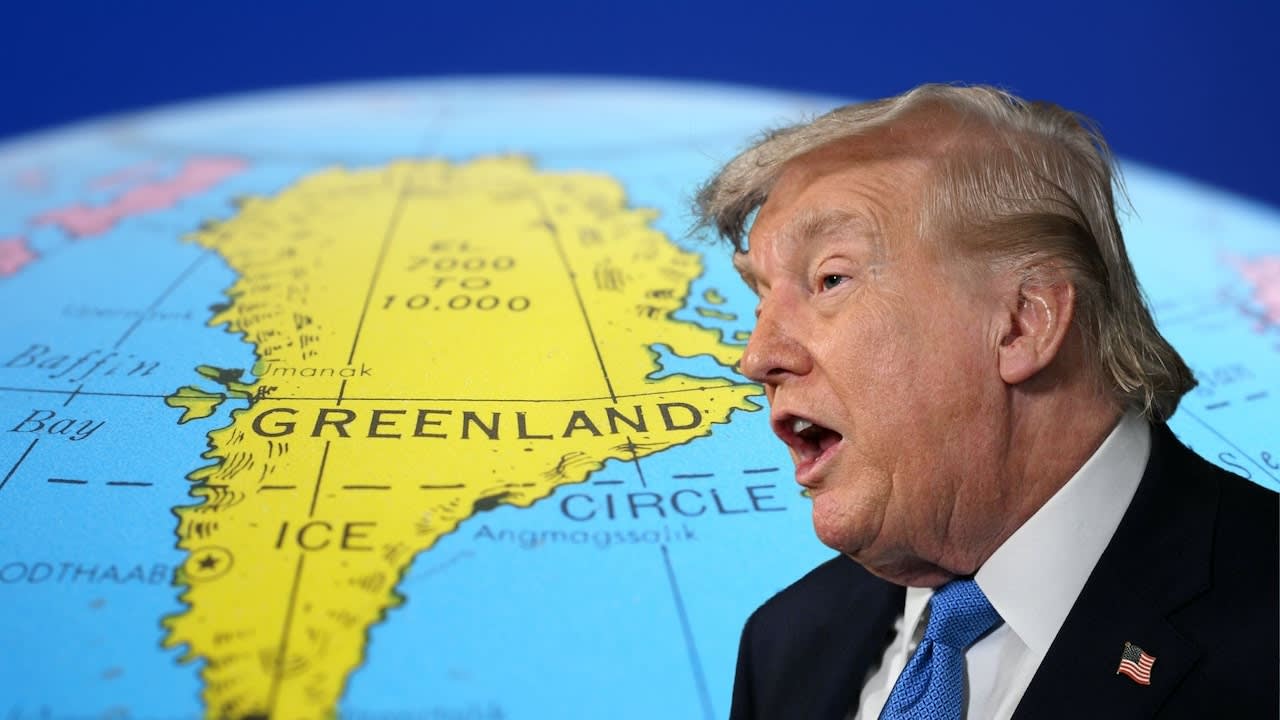
The United States and Denmark have reached a long-term security agreement concerning Greenland, allowing for an expanded US military presence in the Arctic. While President Trump characterized the deal as providing permanent control, Danish officials maintain the agreement focuses on regional security without ceding sovereignty.
The Strategic Pivot: Reimagining Arctic Security
The recently announced security agreement between the United States and Denmark regarding Greenland marks a significant shift in Arctic geopolitics. By formalizing a framework that permits an expanded American military footprint on the island, both nations are acknowledging the growing strategic importance of the North Atlantic. This deal, described by President Trump as an "infinite" commitment, serves to institutionalize the U.S. role in protecting a region that has historically been under Danish administration but possesses undeniable global defense value.
Divergent Interpretations of Sovereignty
While the rhetoric surrounding the deal has been robust, there is a notable disconnect between the characterizations provided by the U.S. President and the Danish government. President Trump has publicly framed the agreement as granting the United States "permanent control" over security and other needs, suggesting a degree of oversight that implies a departure from traditional diplomatic norms. Conversely, reports from international agencies like Reuters clarify that the agreement does not equate to a transfer of sovereignty or ownership of Greenland, but rather an enhanced mandate for military cooperation and defensive posture.
The Strategic Value of Greenland
Greenland’s geography makes it a linchpin in modern defense strategy. Its position in the Arctic Circle allows for early warning systems, satellite monitoring, and rapid response capabilities that are critical to North American security. The U.S. interest in the island—which previously manifested as informal suggestions to "take" or purchase the territory—has now been channeled into a concrete security pact. This transition from informal pressure to a formal, signed agreement highlights the U.S. government’s intent to secure its interests against potential encroachment from other global powers in the Arctic.
Implications for NATO and the North Atlantic
Denmark’s Prime Minister has framed the deal as a positive development for NATO and broader European security. By integrating Greenland more deeply into the U.S.-led defensive architecture, the agreement aims to project stability in a region increasingly affected by climate change, which is opening new maritime shipping routes and resource-rich areas. This move effectively strengthens the northern flank of the NATO alliance, providing a unified front in a region that is becoming a new theater for international competition.
Future Trends and Diplomatic Balancing
Looking ahead, the success of this agreement will depend on how the "permanent" nature of the U.S. presence is balanced with the local autonomy of Greenland and the administrative requirements of Denmark. The lack of an end date in the agreement suggests that the U.S. is prioritizing long-term strategic readiness over short-term political cycles. As the Arctic continues to thaw—both literally and geopolitically—this deal will likely serve as the foundational bedrock for all future U.S. military activities in the North Atlantic, setting a precedent for how superpowers interact with smaller sovereign territories that hold outsized strategic importance.
Multiple Citing Sources
Verification Required?