‘Raising wage demands not offence’: Gurugram court grants bail to engineer in Manesar labour protest
Source Entity
Abhimanyu Hazarika
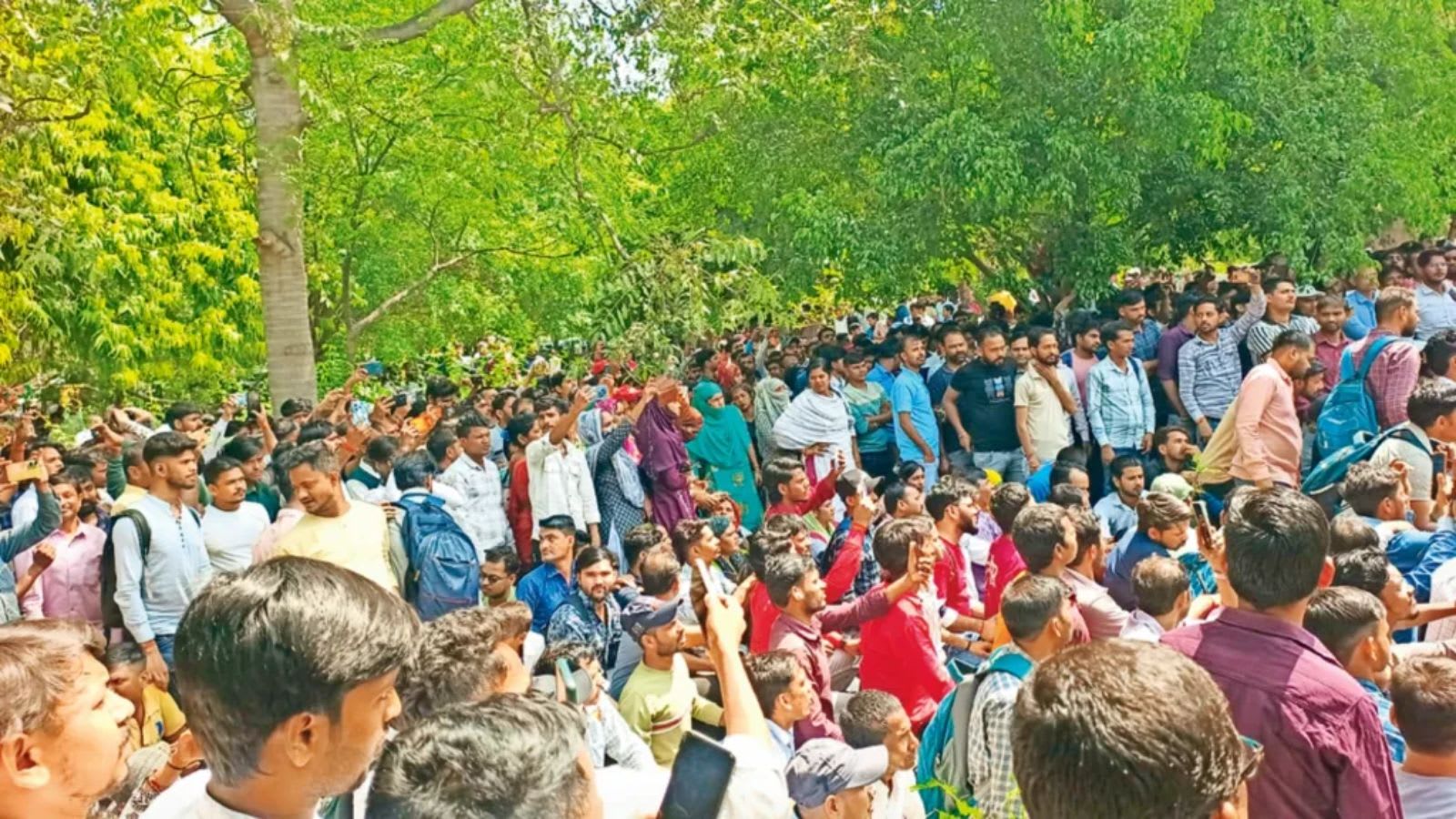
A Gurugram court has granted bail to engineer Aditya Anand, ruling that peaceful mobilization for wage hikes is not a criminal offense. This decision highlights the legal protection of labor rights amidst rising living costs and ongoing industrial unrest in the Manesar region.
Judicial Clarification on Labor Rights in Manesar
In a significant legal development, a Gurugram sessions court has reaffirmed the fundamental right of workers to organize and demand fair compensation. Presided over by Additional Sessions Judge Dr. Gagan Geet Kaur, the court granted bail to 28-year-old Aditya Anand, an NIT Jamshedpur engineering graduate, who had been implicated in the April 9 violence during a labor protest at Richa Global Exports in IMT Manesar. The court’s order serves as a critical judicial intervention, distinguishing between legitimate democratic mobilization and criminal activity.
The Legal Threshold for Protest
The court’s rationale centers on the principle that raising demands for a wage hike to combat the pressures of rising living costs is a protected activity. By asserting that such mobilization is not an offense, the judiciary has provided a safeguard for workers operating within industrial hubs like Manesar. This perspective acknowledges the socioeconomic realities of inflation and the necessity for collective bargaining, framing these activities as essential components of a democratic industrial environment rather than acts of civil disobedience.
Patterns of Judicial Precedent
This ruling is not an isolated incident but part of a growing trend in Judge Gagan Geet Kaur’s courtroom. The decision mirrors a previous order issued on May 18, which granted bail to Ajit Singh, another individual caught in the web of Manesar’s industrial unrest. By consistently applying this logic, the court is establishing a framework that prioritizes the intent behind labor actions. This consistency suggests a judicial trend that scrutinizes the specific evidence of individual participation in violence while insulating the act of protest itself from broad criminalization.
Contextualizing the Manesar Industrial Climate
The industrial landscape of Manesar has long been a flashpoint for labor-management tensions. The involvement of an educated professional like Aditya Anand—who was simultaneously held in custody for a separate labor agitation case in Noida—reflects the complex, cross-regional nature of modern labor movements. These protests are increasingly characterized by highly organized efforts to address structural economic challenges, often drawing interest from diverse professional backgrounds, including engineering graduates who act as advocates for fair labor practices.
Implications for Future Labor Relations
Moving forward, this judicial stance could significantly alter how corporations and law enforcement agencies approach labor disputes. By affirming that salary-related protests are legally permissible, the court has effectively narrowed the scope of what can be categorized as 'agitation' justifying detention. This could lead to a shift in how companies negotiate with labor unions, potentially incentivizing proactive collective bargaining over the reliance on police intervention to quell industrial unrest.
Summary of Judicial Impact
The Gurugram court’s decision is a landmark affirmation of the intersection between labor rights and the rule of law. By balancing the need for public order with the constitutional right to advocate for improved working conditions, the judiciary has provided a nuanced path forward. As living costs continue to challenge the working class, this legal precedent will likely serve as a foundational reference point for future labor disputes, ensuring that the pursuit of economic justice remains protected within the legal system.