Out of work and outraged
Source Entity
India Latest News: Top National Headlines Today & Breaking News | The Hindu
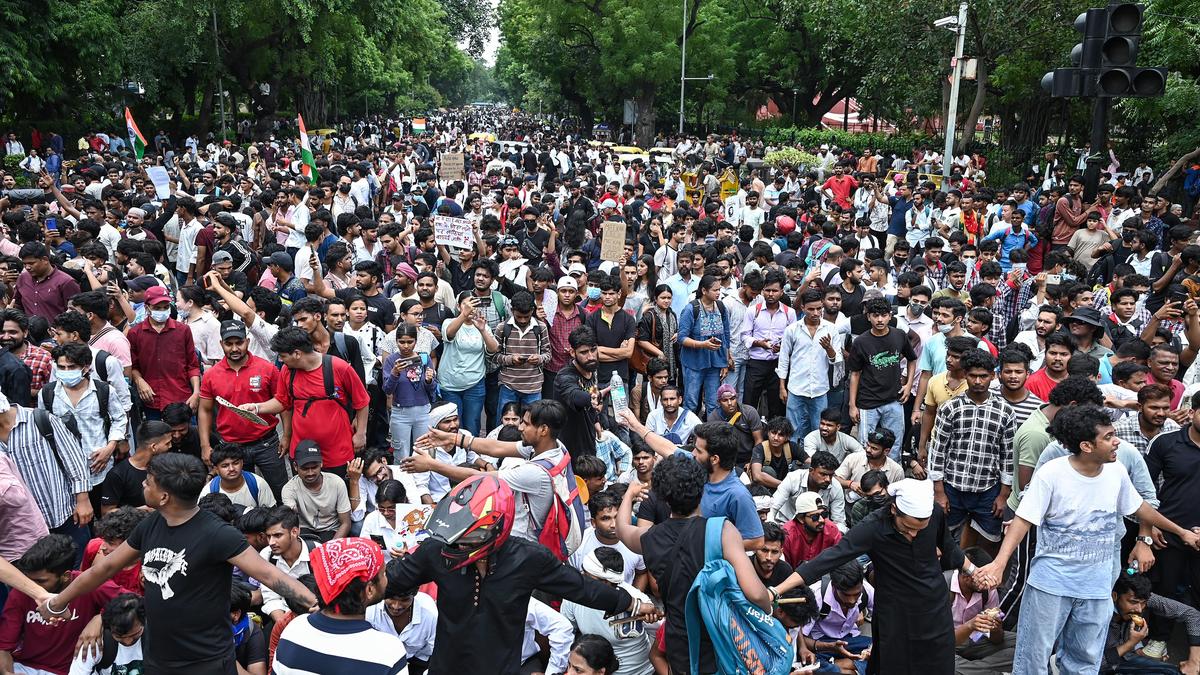
Job aspirants in Jharkhand are protesting for a week, demanding a CBI inquiry into alleged JPSC and JSSC-CGL exam irregularities. The ongoing unrest poses a significant political challenge for the JMM-Congress coalition government.
The Jharkhand Recruitment Crisis: A Deep Dive
The Anatomy of the Protest
For seven consecutive days, the capital city of Ranchi has been the epicenter of a growing agitation by job aspirants. The protesters are voicing deep-seated grievances regarding alleged irregularities in the Jharkhand Public Service Commission (JPSC) and the Jharkhand Staff Selection Commission Combined Graduate Level (JSSC-CGL) examinations. Central to their demands is a transition from the current Criminal Investigation Department (CID) probe to a Central Bureau of Investigation (CBI) inquiry, as the students have explicitly stated they have lost faith in the impartiality and efficacy of the state-led investigation.
Political Friction within the Coalition
This sustained unrest has created a precarious political situation for the JMM-led government. As a key coalition partner, the Congress party is increasingly distancing itself from the government’s handling of the crisis. Reports indicate that Congress leadership, including AICC in-charge K Raju, is planning to meet Chief Minister Hemant Soren to push for a more proactive resolution. The party is clearly attempting to manage its optics, aiming to align itself with the youth demographic to avoid the political fallout associated with the perceived administrative inaction.
The Broader Context of Disillusionment
While the immediate trigger for the protests remains the specific allegations of paper leaks and recruitment scams, the movement reflects a much broader national trend of youth disillusionment. The protest mirrors the intensity of similar agitations seen at hubs like Jantar Mantar, suggesting that the issue is not merely local but symptomatic of a wider systemic failure. The aspirants' outrage stems from a lack of transparency and the repeated cycles of examination cancellations that have left thousands of young, educated citizens in a state of professional limbo.
Demographic Dividend vs. Economic Reality
India’s demographic dividend—the potential economic growth resulting from a large working-age population—is being severely tested by these recruitment failures. When the youth, who represent the future of the state's workforce, find themselves protesting for their right to a fair examination process, it signifies a breakdown in the social contract. The inability of state institutions to conduct clean, merit-based hiring processes creates a material basis for frustration, as limited access to quality employment opportunities exacerbates existing socio-economic pressures.
Government Response and Future Outlook
The government's current response, characterized by some as lacking in humility, has only served to fuel the protesters' resolve. The contrast between the gravity of the students' concerns and the political posturing seen in legislative circles highlights a disconnect between the state and its citizens. Moving forward, the Jharkhand government faces a binary choice: either initiate a high-level, credible inquiry to restore institutional trust or risk further alienation of the youth electorate, which could have significant implications for the state’s political stability in the long term.
Verification Required?