112 Mumbai Civic Body Officials Named In Corruption Cases Still On Job, Reveals RTI
Source Entity
NDTV News Search Records Found 1000
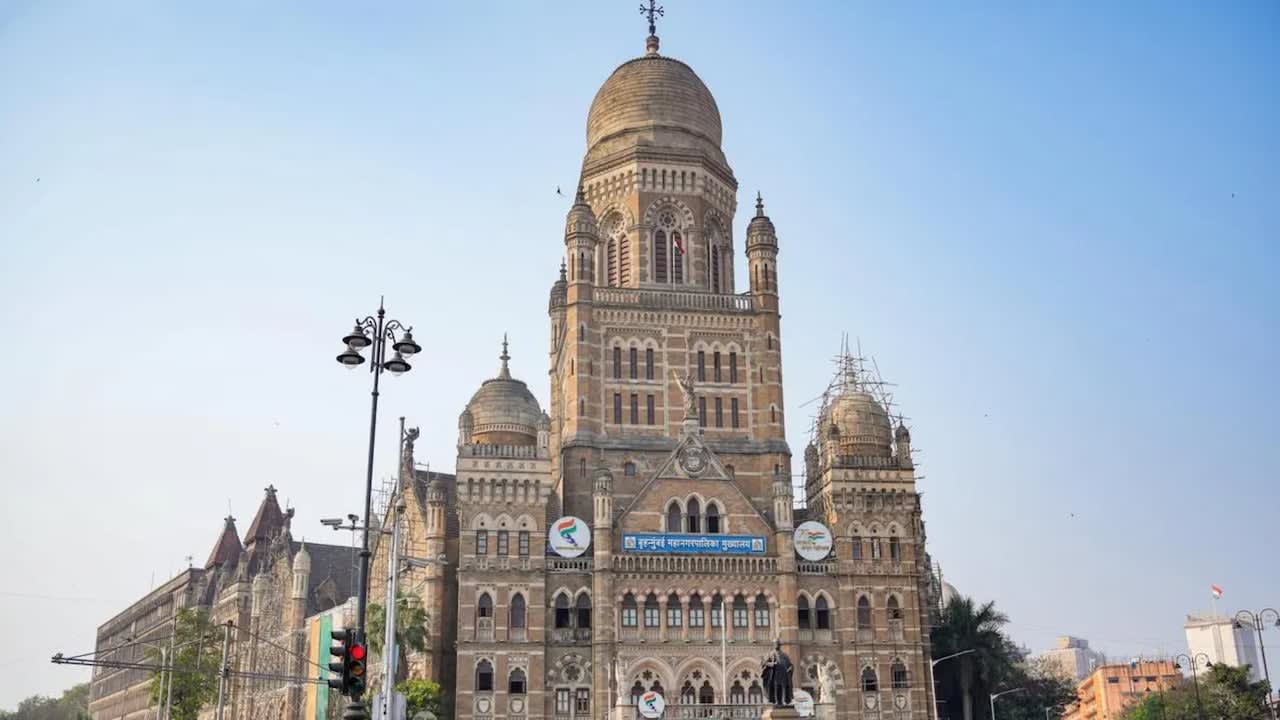
An RTI disclosure reveals that 112 Mumbai civic body officials facing corruption charges remain active in their roles. Despite 207 total accusations, only 27 employees have been suspended, raising serious questions regarding administrative accountability.
Corruption and Accountability in Mumbai's Civic Governance
Recent revelations brought to light through a Right to Information (RTI) inquiry have exposed a troubling pattern of administrative inertia within the Mumbai civic body. With 207 officials currently facing corruption-related allegations, the fact that a significant majority continue to serve in their official capacities highlights a systemic failure in internal oversight. This analysis examines the implications of these findings, particularly the statistic that 112 of these accused individuals remain on the job, while only 27 have faced suspension.
The Disparity in Disciplinary Action
The discrepancy between the number of corruption cases filed and the subsequent disciplinary actions taken is stark. Out of the 207 accused staff members, the suspension of only 27 individuals suggests that the civic body's internal mechanism for addressing graft is either overwhelmed or intentionally lenient. When the vast majority of accused personnel continue to occupy positions of authority, it risks normalizing corrupt practices and undermining the public's trust in local governance.
Impact on Public Trust and Institutional Integrity
Public institutions rely heavily on the integrity of their workforce to maintain the trust of the citizenry. When officials accused of corruption remain in their roles, it creates a moral hazard where the deterrent effect of anti-corruption laws is effectively neutralized. This situation potentially allows for the continued manipulation of civic processes, as those under investigation may still hold the power to influence the very systems they are accused of subverting.
Challenges in Administrative Oversight
This RTI disclosure points toward deeper structural challenges within the municipal administration. The failure to promptly suspend officials facing serious allegations suggests either a lack of stringent procedural guidelines or a failure to enforce existing ones. Without a robust framework that mandates immediate administrative leave for those under investigation, the civic body remains vulnerable to ongoing ethical breaches and institutional decay.
Future Trends and the Necessity of Reform
Looking forward, the pressure to reform these disciplinary protocols will likely intensify. Civil society organizations and stakeholders are expected to demand greater transparency in how corruption cases are handled. If the civic body does not move to address the status of the 112 active officials, it may face increased legal scrutiny and public protest. Effective governance in a city as complex as Mumbai requires an uncompromising stance against corruption to ensure that essential civic services are delivered without the interference of graft.
Conclusion
The findings from the RTI inquiry serve as a critical reminder of the importance of transparency and accountability in local government. The current reality, where 112 accused officials remain active, underscores the urgent need for a systematic overhaul of internal disciplinary policies. To restore public confidence, the civic administration must prioritize swift and decisive action against those accused of corruption, ensuring that the integrity of the institution is placed above the interests of the individual.
Verification Required?