Insurance company ‘rejects’ son’s dengue hospitalisation claim, mother wins Rs 26,882
Source Entity
Jagriti Rai
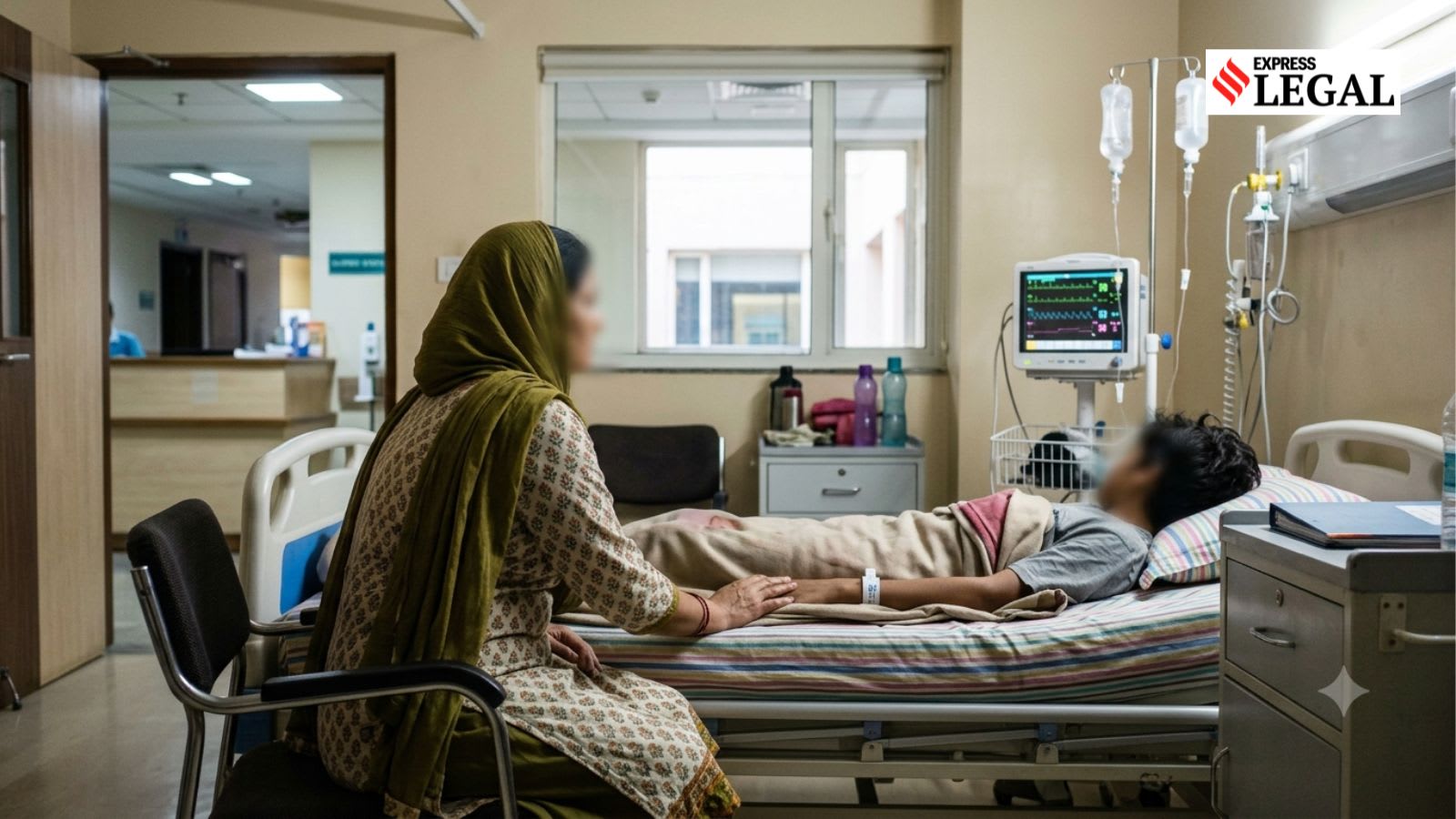
The District Consumer Commission in Moga ruled against Star Health Insurance for wrongly rejecting a dengue claim based on hospital document discrepancies. The insurer has been ordered to pay the claimant over Rs 26,000 in reimbursements and compensation.
Consumer Justice Prevails in Moga Insurance Dispute
In a significant ruling for consumer rights, the District Consumer Commission in Moga has held Star Health Insurance accountable for the unfair rejection of a medical insurance claim. The case centered on a dispute regarding a dengue hospitalization claim, which the insurer had initially denied citing alleged discrepancies in medical records. The commission, led by president Priti Malhotra alongside members Mohinder Singh Brar and Aparana Kundi, ruled that the insurer’s rejection was unjustified, labeling the grounds for denial as 'absurd' and beyond the scope of the claimant's responsibility.
The Burden of Hospital Documentation
A critical aspect of this ruling is the commission's clear stance on the division of responsibility between patients and healthcare providers. The bench emphasized that the claimant cannot be held accountable for the clerical or administrative accuracy of documents generated entirely by the hospital. By rejecting the claim based on these internal hospital records, the insurer attempted to shift the burden of administrative oversight onto the policyholder, a practice the commission deemed unacceptable.
Implications for Health Insurance Policyholders
This decision serves as a vital reminder for insurance consumers regarding their rights when dealing with claim rejections based on technicalities. Often, insurance companies cite minor discrepancies in hospital records to avoid payouts, forcing individuals into lengthy litigation. By ruling in favor of the complainant, the Moga commission reinforces the principle that legitimate medical claims should not be undermined by administrative errors that are beyond the control of the patient.
Financial Redress and Accountability
The commission’s order mandates that Star Health Insurance reimburse the claimant Rs 21,882 for the hospitalization expenses, alongside an additional Rs 5,000 to cover compensation and litigation costs. This financial penalty serves as a deterrent against the arbitrary rejection of claims. It ensures that the consumer is not only made whole financially but is also compensated for the time and stress involved in challenging the insurer's decision.
Broader Trends in Consumer Protection
This case mirrors a growing trend in India where consumer courts are increasingly taking a proactive role in protecting policyholders from predatory insurance practices. The verdict highlights a shift toward prioritizing patient outcomes and the spirit of the insurance contract over rigid, often obstructive, documentation requirements. As healthcare costs rise, such legal precedents are essential to ensure that insurance products provide the security they promise to the public.
Conclusion
Ultimately, the ruling by the Moga District Consumer Commission is a victory for transparency and fairness in the insurance sector. By dismissing the insurer's reliance on unverified record discrepancies, the court has set a precedent that will likely embolden other policyholders to contest similar rejections. This case underscores the necessity for insurance companies to improve their internal verification processes rather than penalizing patients for hospital-side administrative lapses.