Meta CEO Zuckerberg apologises for child abuse ads, deepfakes and errors in operations
Source Entity
TRISHA MAHAJAN
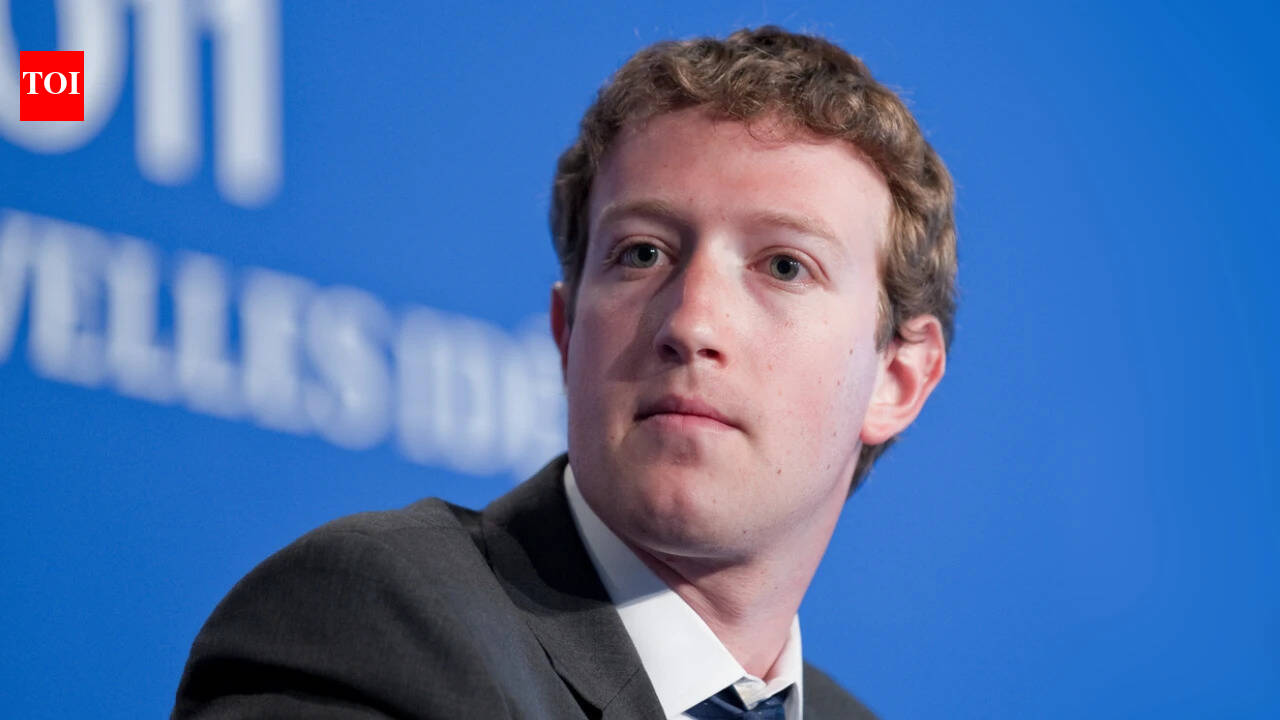
Meta CEO Mark Zuckerberg has apologized to the Indian government regarding the proliferation of CSAM, deepfakes, and operational errors on its platforms. The move comes amid warnings that Meta may lose its safe-harbour protections due to its active role in content distribution.
Meta’s Regulatory Reckoning in India
In a significant development for digital governance, Meta CEO Mark Zuckerberg has reportedly extended an apology to the Indian government. This gesture addresses systemic failures within Meta’s platforms, specifically citing the spread of child sexual abuse material (CSAM), the rise of malicious deepfake content, and various operational errors. This apology marks a pivotal moment in the relationship between Silicon Valley giants and the Indian regulatory framework, as the state intensifies its oversight of digital intermediaries.
The Erosion of Safe-Harbour Protections
At the heart of this confrontation is the concept of 'safe-harbour' protection under India's IT Act. Historically, platforms like Facebook and Instagram have operated under the premise of being mere conduits for third-party content. However, Indian authorities have signaled that Meta’s algorithmic practice of actively selecting and boosting specific content—sometimes for payment—fundamentally changes its status. By curating feeds to maximize engagement, Meta is being viewed less as a neutral host and more as an active publisher, which could legally strip away its immunity from liability for user-generated content.
The Financial Incentive vs. Public Safety
Reports from PTI sources indicate that Meta acknowledged receiving significant revenue for boosting content that ultimately violated safety standards. This revelation highlights a recurring tension in the modern digital economy: the conflict between algorithmic optimization for ad revenue and the duty of care toward users. When platforms prioritize high-engagement content—which often includes sensationalist or harmful material—the resulting societal harm, such as the spread of deepfakes, becomes a byproduct of the underlying business model.
Addressing the Deepfake and CSAM Crisis
Deepfakes and CSAM represent a severe threat to both individual safety and national security. The proliferation of AI-generated misinformation and the illegal exploitation of minors are issues that have put Meta under extreme pressure. Zuckerberg’s apology acknowledges that the current operational safeguards have been insufficient. This admission likely serves as a precursor to stricter internal audits and, potentially, more stringent government-mandated moderation policies that could reshape how Meta operates within the Indian market.
Future Trends in Platform Governance
Looking forward, this event suggests that the era of self-regulation for 'Big Tech' in India is effectively ending. The government is moving toward a model where platforms will be held strictly accountable for their algorithmic choices. We can expect future trends to include mandatory transparency reports regarding content distribution algorithms and increased liability for platforms that 'boost' harmful content. Meta’s apology is not merely a public relations exercise; it is an acknowledgement that the regulatory climate has shifted, and the company must now adapt its operational architecture to comply with stricter legal standards or risk losing its foothold in one of the world's largest digital markets.