Domestic stablecoins could boost demand for dollar-backed tokens: IMF
Source Entity
Cointelegraph by Ezra Reguerra
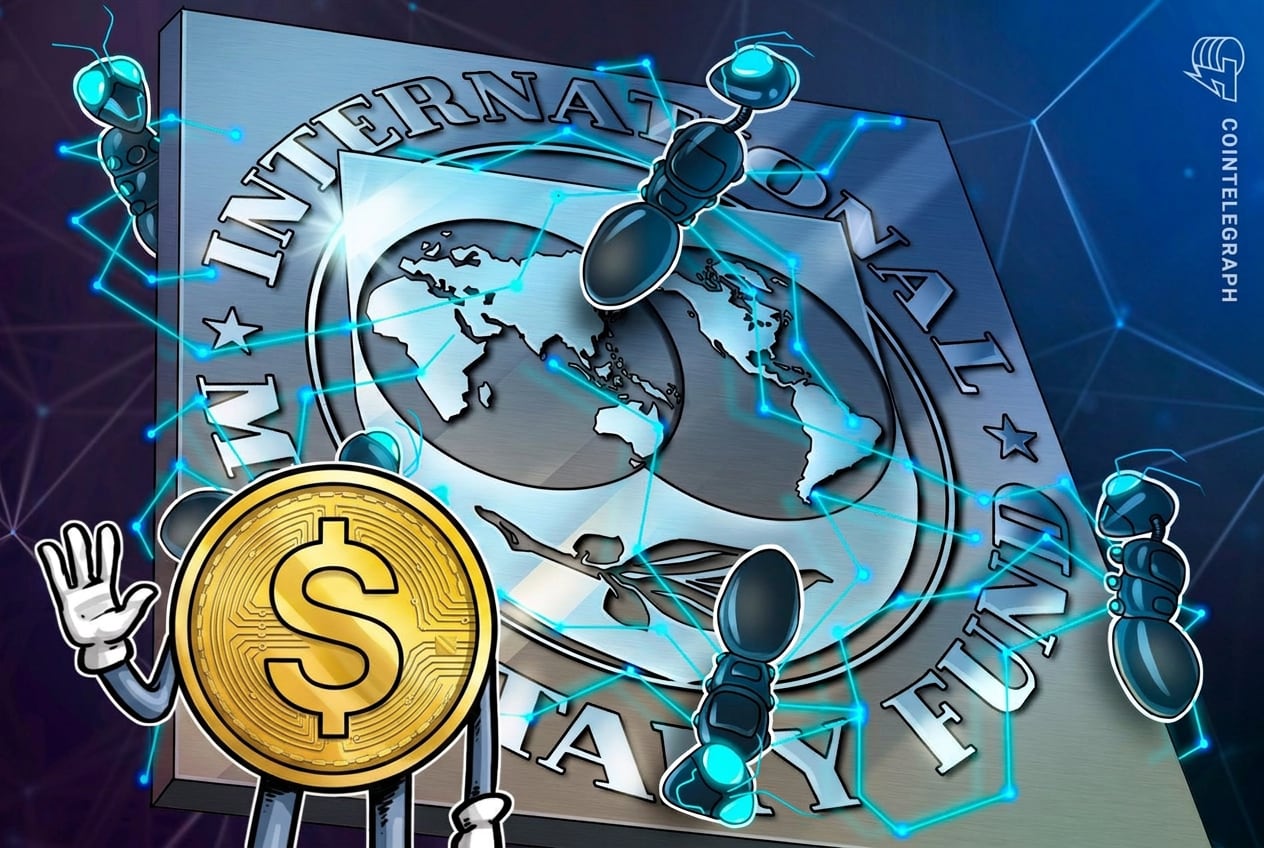
The IMF warns that domestic stablecoins may inadvertently increase demand for dollar-backed tokens. The integration of these assets on unified blockchain networks facilitates seamless conversion, potentially shifting foreign exchange activity away from traditional banking systems.
The Paradox of Domestic Stablecoins
The International Monetary Fund (IMF) has raised a significant concern regarding the proliferation of domestic-currency stablecoins. While these digital assets are often designed by nations to bolster local currency usage and curb reliance on foreign alternatives, IMF First Deputy Managing Director Dan Katz argues that they may inadvertently catalyze the adoption of dollar-backed tokens. By creating a digital bridge, these local initiatives could unintentionally simplify the path for users to access the liquidity and global acceptance of the U.S. dollar.
The Mechanics of Digital Substitution
At the core of this phenomenon is the shared blockchain infrastructure. When both domestic stablecoins and dollar-backed tokens operate on the same decentralized ledger, the barriers to entry for currency conversion are drastically lowered. Katz notes that decentralized exchanges, liquidity pools, and peer-to-peer (P2P) swap mechanisms allow users to move funds between local and global digital assets with unprecedented speed and efficiency. This technological interconnectivity effectively bypasses the traditional "walled gardens" of national finance.
Implications for Global Foreign Exchange
This shift carries profound implications for the global foreign exchange (FX) market. Traditionally, currency exchange has been a highly regulated activity mediated by commercial banks and authorized currency dealers. As users migrate to blockchain-based conversion, the role of these intermediaries is increasingly marginalized. This transition reduces the friction associated with traditional FX transactions, which has historically been a tool used by authorities to monitor and manage capital flows, thereby posing a challenge to central bank oversight.
Liquidity and Network Effects
Dollar-backed tokens benefit from powerful network effects and deep liquidity that domestic stablecoins often struggle to replicate. Because the U.S. dollar remains the world’s primary reserve currency, digital versions of the dollar offer a level of stability and cross-border acceptance that smaller, local digital currencies cannot match. When users are given the choice to hold a domestic token that can be swapped instantly for a global, high-liquidity dollar token, the convenience of the latter often outweighs the intent behind the former.
Future Trends in Digital Monetary Policy
Looking ahead, the IMF’s warning suggests that policymakers must be cautious when designing digital currency frameworks. The expectation that domestic stablecoins will insulate an economy from dollarization may be misplaced if the underlying infrastructure is globally accessible. Future trends will likely see a push for stronger regulatory oversight on decentralized exchanges to prevent excessive capital flight, as the line between domestic monetary policy and global digital asset flows continues to blur.
Conclusion
Ultimately, the IMF’s assessment highlights a central tension in the evolution of digital finance. While blockchain technology promises innovation and efficiency, it also facilitates a level of capital mobility that can undermine sovereign monetary objectives. As nations explore stablecoin development, they must grapple with the reality that shared blockchain ecosystems may favor the most liquid and globally recognized currencies, potentially accelerating the very dollarization they seek to prevent.