SIR deadline postponed for second time in Delhi
Source Entity
Devansh Mittal
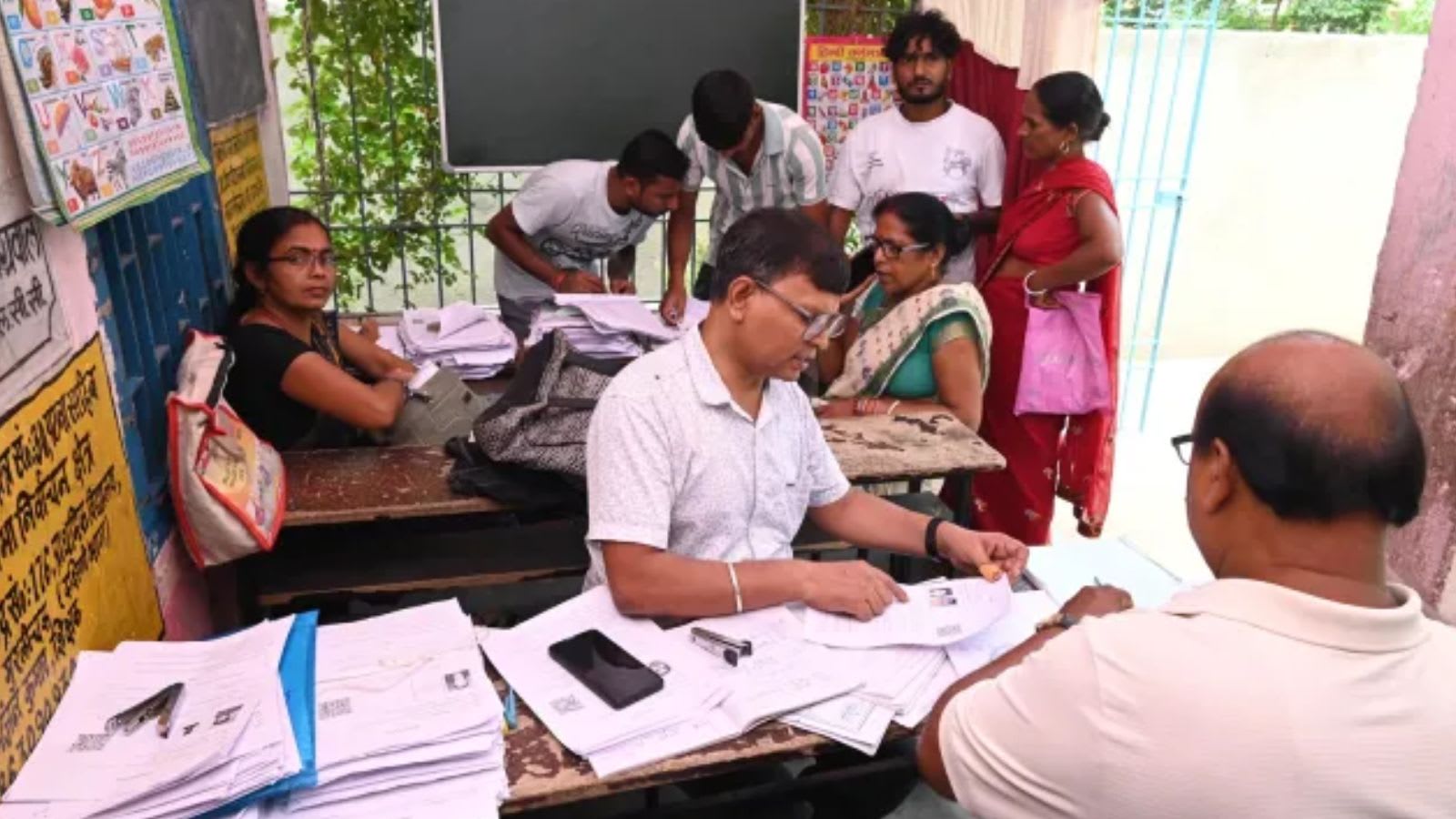
The Election Commission of India is facing challenges in its Special Intensive Revision of electoral rolls in Karnataka and Delhi. Concerns over transparency and administrative delays have prompted petitions for better data disclosure and extended timelines.
Electoral Integrity and the Challenge of Roll Revision
The integrity of the democratic process rests fundamentally on the accuracy of electoral rolls. Currently, the Election Commission of India (ECI) is navigating the complexities of the Special Intensive Revision (SIR) of electoral rolls across multiple states, most notably in Karnataka and Delhi. This administrative undertaking is critical for ensuring that every eligible citizen is registered while maintaining the sanctity of the voter list by purging erroneous entries.
The Karnataka ASDDO Controversy
In Karnataka, the process has sparked significant debate as approximately 20% of the state's electorate has been categorized under the 'ASDDO' label—comprising voters who are marked as absent, shifted, dead, duplicate, or others. This high percentage has raised alarms among civil society organizations. The coalition 'My Vote, My Right,' representing 40 groups, has formally petitioned the Chief Electoral Officer (CEO), V Anbukkumar, demanding transparency. They argue that without public disclosure of these lists, the risk of disenfranchising genuine voters remains unacceptably high.
Administrative Hurdles in Delhi
Simultaneously, the capital city of Delhi is grappling with significant logistical delays in the digitization of enumeration forms. The ECI has been forced to extend the door-to-door verification deadline for the second time, moving it to August 17. With only 63% of the forms digitized as of the most recent data, the delay has pushed the final publication of the electoral rolls to October 27. This highlights the difficulty of manual data collection and the subsequent transition to digital records on a massive scale.
Transparency and Public Trust
The core of the conflict lies in the tension between administrative efficiency and public accountability. By requesting the publication of ASDDO lists on official websites, civil society groups are pushing for a more participatory model of governance. The ECI’s role is to act as a neutral arbiter, but the sheer scale of the 'absent' or 'shifted' designations necessitates a robust verification process that does not inadvertently remove valid voters from the rolls.
The Path Forward
As the ECI works toward the October deadlines, the focus must remain on the accuracy of the Booth Level Officers (BLOs). The current extensions in Delhi and the petitions in Karnataka underscore that electoral roll revision is not merely a clerical task but a high-stakes operation. Future trends suggest that the ECI will likely need to adopt more advanced digital verification tools to reduce reliance on manual door-to-door visits and mitigate the backlog seen in the current cycle.
Conclusion
The ongoing revisions are a necessary, if contentious, part of maintaining a healthy democracy. Whether in Karnataka or Delhi, the demand for transparency—as evidenced by the 'My Vote, My Right' coalition—serves as a vital check on the ECI. Moving forward, the commission must balance the need for timely roll finalization with the imperative to ensure that no legitimate voter is removed due to administrative oversights.
Multiple Citing Sources