20% of Karnataka voters ‘face removal’; plea seeks detailed lists, reasons
Source Entity
Akram M
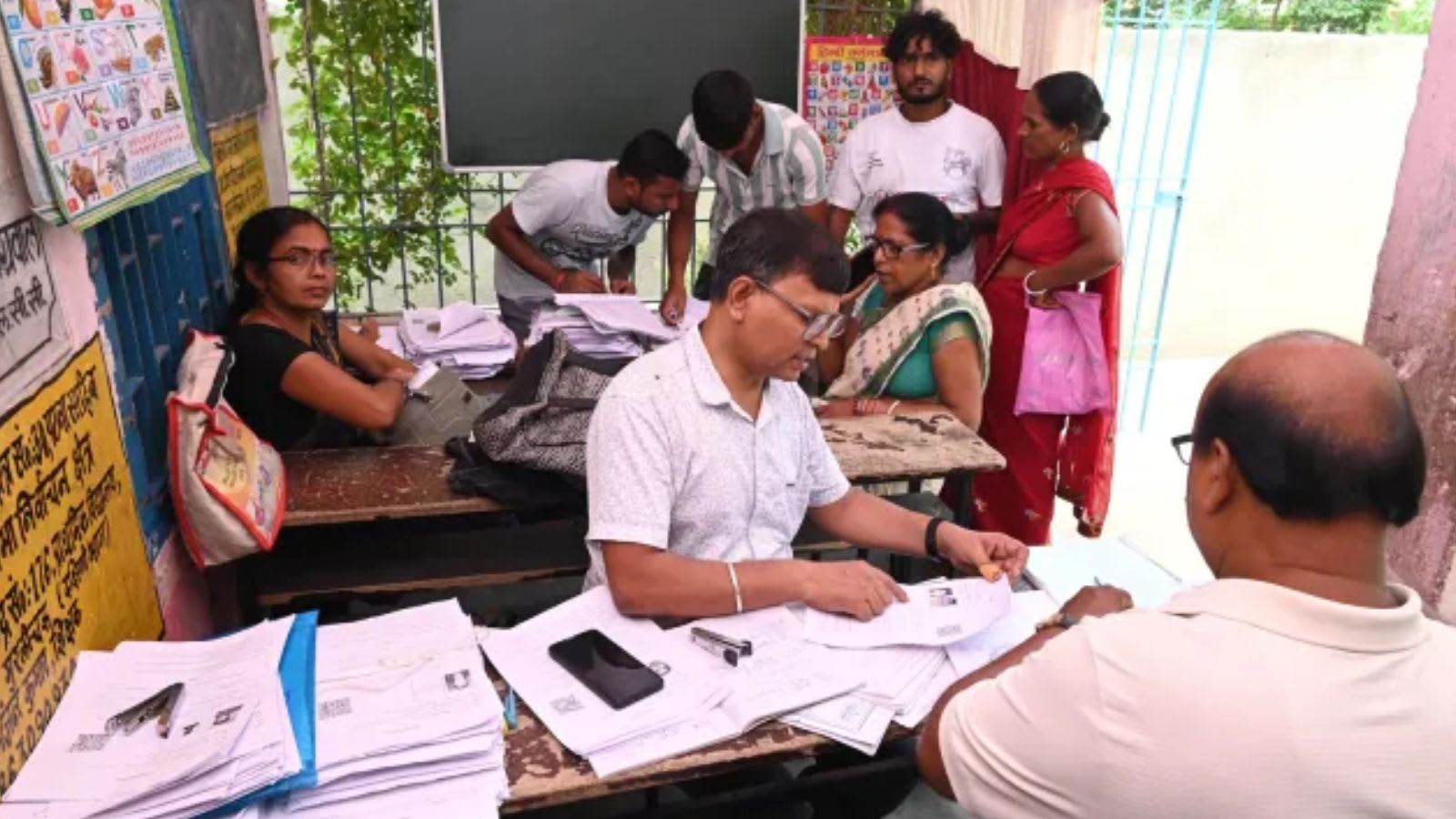
Civil society groups in Karnataka are demanding transparency regarding the high percentage of voters flagged for removal from electoral rolls. Meanwhile, Delhi has extended its voter verification deadline due to significant delays in the digitization of enumeration forms.
Electoral Integrity and the Challenge of Voter Roll Accuracy
Recent reports regarding the Election Commission of India’s (ECI) Special Intensive Revision (SIR) highlight significant administrative hurdles in maintaining accurate electoral rolls. In Karnataka, a staggering 20% of the electorate has been categorized under the ASDDO (absent, shifted, dead, duplicate, and others) classification. This high percentage has triggered concerns among civil society organizations regarding the potential for systemic disenfranchisement if the verification process is not handled with absolute transparency.
The Demand for Transparency in Karnataka
The coalition “My Vote, My Right,” representing 40 civil society organizations, has petitioned the Chief Electoral Officer (CEO) of Karnataka, V Anbukkumar. Their primary grievance is the lack of public access to the specific names and reasons for these ASDDO classifications. By urging the CEO to publish these lists online and extend the enumeration phase until September 30, these groups are pushing for a safeguard against the arbitrary removal of legitimate voters, which could have profound implications for upcoming electoral outcomes.
Administrative Bottlenecks in Delhi
Parallel to the situation in Karnataka, Delhi is facing its own set of logistical challenges. The ECI has been forced to extend the door-to-door verification deadline for the second time, pushing it to August 17. The core issue appears to be a failure in the digitization process, with only 63% of enumeration forms processed as of the most recent data. This delay has a cascading effect, forcing the publication of the final electoral rolls to be postponed until October 27.
The Importance of the Enumeration Phase
The enumeration phase is the cornerstone of a healthy democracy, as it serves as the foundation for the final electoral roll. Booth Level Officers (BLOs) perform the essential task of door-to-door verification to ensure that every eligible citizen is registered and that errors are rectified. When this process faces delays—as seen in Delhi—or generates large-scale flagging of voters—as seen in Karnataka—it disrupts the public's trust in the electoral process and creates administrative uncertainty.
Broader Implications for Electoral Democracy
These events underscore the delicate balance between maintaining a clean electoral roll and ensuring universal suffrage. While the ECI's mandate to identify 'shifted, dead, or duplicate' voters is necessary to prevent electoral fraud, the scale of these operations requires rigorous oversight. The push for transparency by civil society groups is a vital mechanism to ensure that administrative efficiency does not come at the cost of voter rights.
Looking Ahead
As the ECI navigates these deadlines, the focus must remain on digitizing data accurately and providing clear, accessible information to the public. Future trends suggest that the integration of technology in electoral management will continue to be a double-edged sword; while it offers speed, it also requires massive human resource management that is currently proving to be a bottleneck. The resolution of the Karnataka petition and the success of the extended Delhi deadline will serve as critical benchmarks for electoral administration in the coming months.