Blanche approved by Judiciary Committee, sending Trump's AG nominee to full Senate vote
Source Entity
US Top News and Analysis
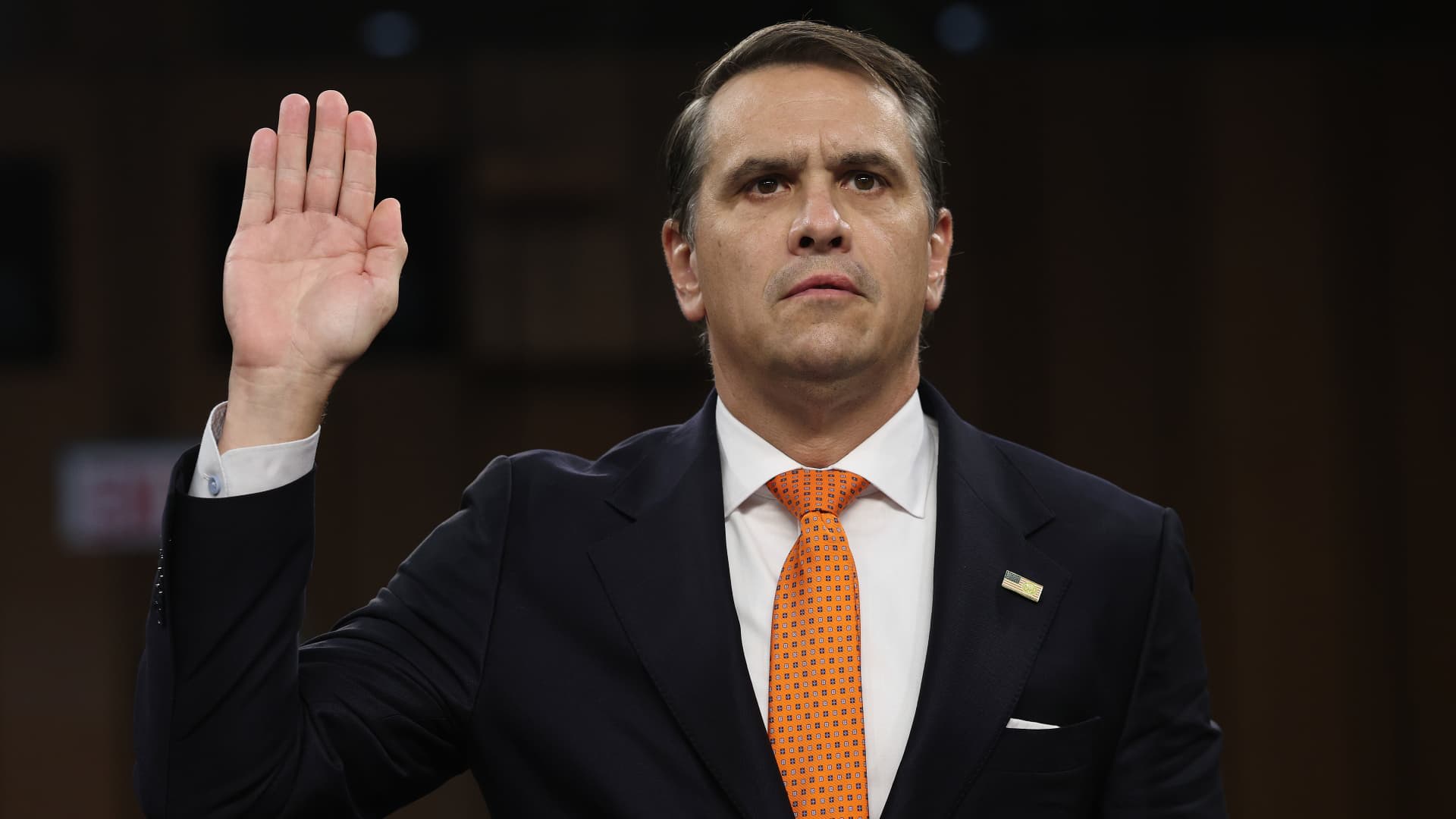
The Senate Judiciary Committee has advanced Todd Blanche’s nomination for Attorney General following a 12-10 vote. The approval followed a critical agreement to terminate the controversial 'anti-weaponization fund.'
Senate Judiciary Committee Advances Todd Blanche Nomination
The Senate Judiciary Committee has officially cleared the path for Todd Blanche, President Donald Trump’s nominee for Attorney General, to move toward a full floor vote. The committee voted 12-10 in favor of the nomination, marking a significant step forward in the transition of leadership at the Department of Justice. Blanche, who has been serving as the acting attorney general, now faces the final hurdle of securing a simple majority of 50 votes on the Senate floor to be formally confirmed.
Resolving the 'Anti-Weaponization' Deadlock
The path to this committee approval was far from seamless, characterized by intense negotiations regarding the Department of Justice's internal policies. Specifically, the nomination stalled due to concerns raised by Republican Senators John Cornyn of Texas and Thom Tillis of North Carolina. These senators had previously blocked the nomination, citing concerns over the so-called "anti-weaponization fund," a program that had become a flashpoint for critics who argued it signaled potential overreach or political bias within the agency.
The Role of Written Commitments in Governance
To break the committee deadlock, Blanche was forced to move beyond verbal assurances. The resolution of this impasse required Blanche to confirm in writing that the "anti-weaponization fund" is effectively terminated. This procedural victory for Cornyn and Tillis highlights the growing trend in the Senate Judiciary Committee of leveraging confirmation hearings to exert oversight on executive branch programs. By forcing a written commitment, the senators ensured that the policy reversal would be a matter of public record, providing accountability that verbal promises often lack.
Implications for the Department of Justice
As the current acting attorney general, Blanche’s transition to a confirmed role would solidify the administration's legal agenda. The controversy surrounding the "anti-weaponization fund" serves as a microcosm of the broader political tension currently surrounding the Department of Justice. The committee's scrutiny underscores the legislative branch's desire to curtail specific budgetary and administrative powers that members of Congress believe have been weaponized for political ends.
Path to Final Confirmation
While the 12-10 committee vote represents a major success for the White House, the legislative process remains precarious. With a narrow margin required on the Senate floor, the administration must maintain party discipline to ensure Blanche reaches the 50-vote threshold. The transition from committee approval to a floor vote often involves further horse-trading, and the administration will likely look to maintain the momentum gained from the resolution of the fund dispute to secure the final confirmation.
Conclusion
The advancement of Todd Blanche’s nomination is a pivotal moment for the current administration’s control over federal law enforcement. By successfully navigating the demands of key Republican senators regarding the "anti-weaponization fund," Blanche has cleared a significant political obstacle. However, the requirement of a 50-vote floor confirmation ensures that the debate over his leadership and the future direction of the Department of Justice will continue to be a central focus of Senate business in the coming days.