Police stop Kejriwal from marching towards PM house to submit 2.3 lakh petitions against E20 policy
Source Entity
Devansh Mittal
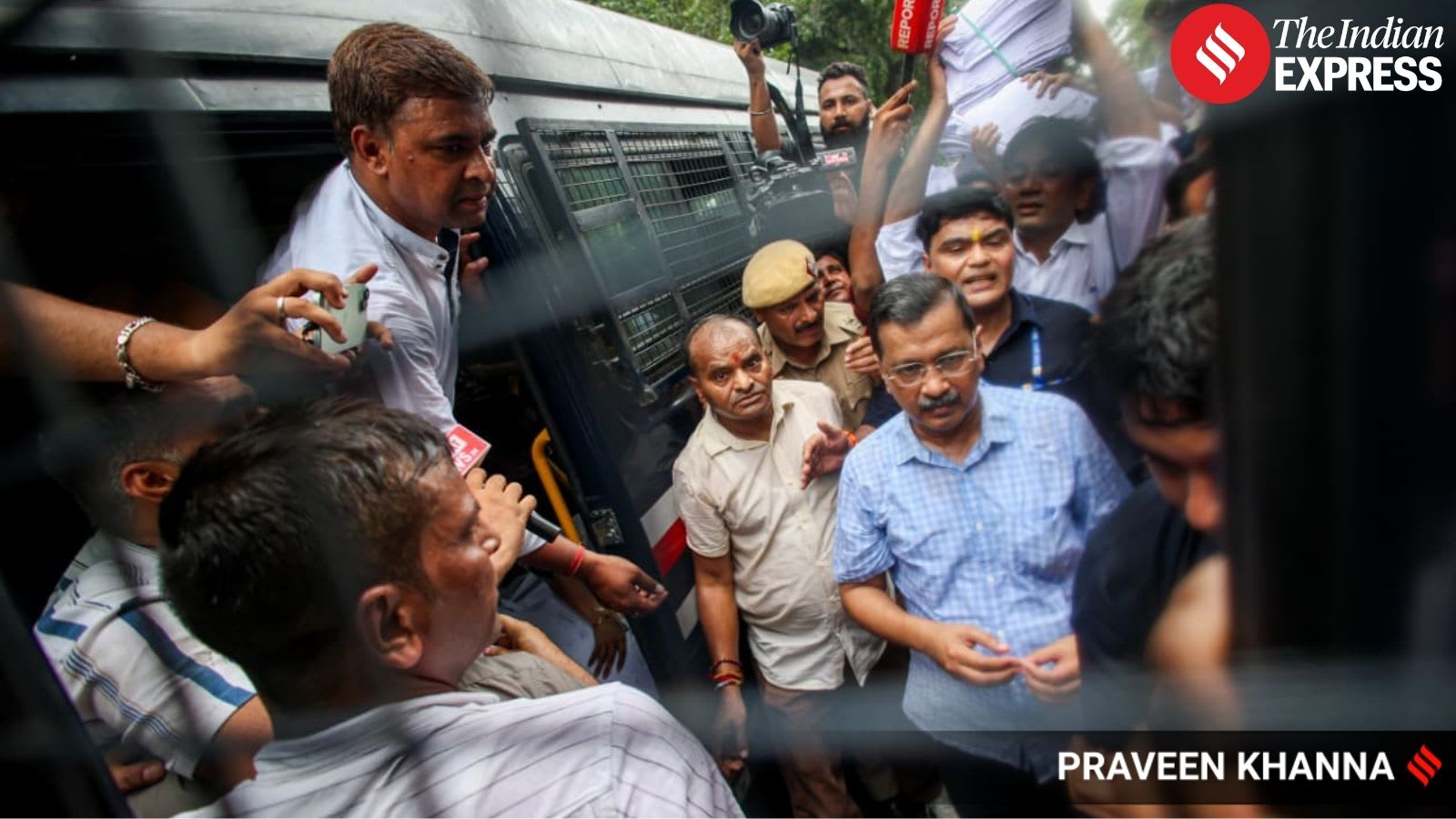
Delhi Police blocked AAP leaders, including Arvind Kejriwal, from marching to the Prime Minister's residence to submit 2.3 lakh petitions against E20-blended petrol. The incident highlights rising tensions between the AAP and the central government over fuel policy and administrative accessibility.
AAP Protests E20 Policy Amid Standoff with Central Authorities
On Tuesday, the political landscape in Delhi saw a significant escalation as Aam Aadmi Party (AAP) national convener Arvind Kejriwal, accompanied by senior leaders Manish Sisodia, Sanjay Singh, and Jasmine Shah, attempted to lead a march toward the Prime Minister’s residence. The protest, which involved approximately 100 participants, was intended to deliver a collection of over 2.3 lakh petitions gathered from across the country, expressing widespread public opposition to the government's E20-blended petrol policy.
The Confrontation at Firoz Shah Road
The march was effectively halted by the Delhi Police near 5, Firoz Shah Road, preventing the delegation from reaching their intended destination. This tactical containment forced the AAP leadership to pivot, resulting in an impromptu protest held directly on the road. The deployment of security personnel to intercept a political march reflects the increasingly rigid security protocols surrounding the Prime Minister's residence and the broader trend of restricted protest zones in the national capital.
Administrative Accessibility and Political Friction
Arvind Kejriwal’s public commentary following the incident centered on the lack of communication from the Prime Minister’s Office. According to Kejriwal, the AAP had formally requested an appointment to discuss the E20 policy over a month ago, yet received no acknowledgment or response. By characterizing the refusal to meet as a manifestation of a "dictatorial attitude," the AAP is positioning itself as a party fighting for democratic accountability, framing the government's silence as an affront to the concerns of the citizens who signed the petitions.
The E20 Policy: A Point of Contention
The core of the protest lies in the government's implementation of E20-blended petrol—fuel consisting of 20% ethanol and 80% gasoline. While the central government promotes this transition as a vital step toward reducing oil import dependency and lowering carbon emissions, critics like the AAP argue that the policy has not been adequately scrutinized for its impact on vehicle performance and consumer costs. The collection of 2.3 lakh signatures serves as the AAP's evidence of grassroots dissatisfaction with the current trajectory of this energy mandate.
Broader Implications for National Policy
This incident is indicative of the deepening rift between the AAP and the Bharatiya Janata Party-led central government. Beyond the specific technical grievances regarding ethanol blending, the event underscores the challenges of direct political engagement in India's capital. When political parties resort to mass petitioning and street marches to solicit a response from the executive branch, it highlights a breakdown in traditional parliamentary or bureaucratic channels of communication.
Future Trends and Political Fallout
Looking ahead, the utilization of mass petitions as a tool for public mobilization suggests that the AAP intends to keep the E20 policy at the forefront of their political agenda. If the central government continues to bypass engagement with opposition leaders on these technical policies, the likelihood of further street-level confrontation remains high. This standoff serves as a reminder of the volatility inherent in urban political activism, where environmental policy and governance styles collide in the public sphere.