'Kids As Young As 15 On Pakistan's Target': Inside The Deadly PoK Protests
Source Entity
NDTV News Search Records Found 1000
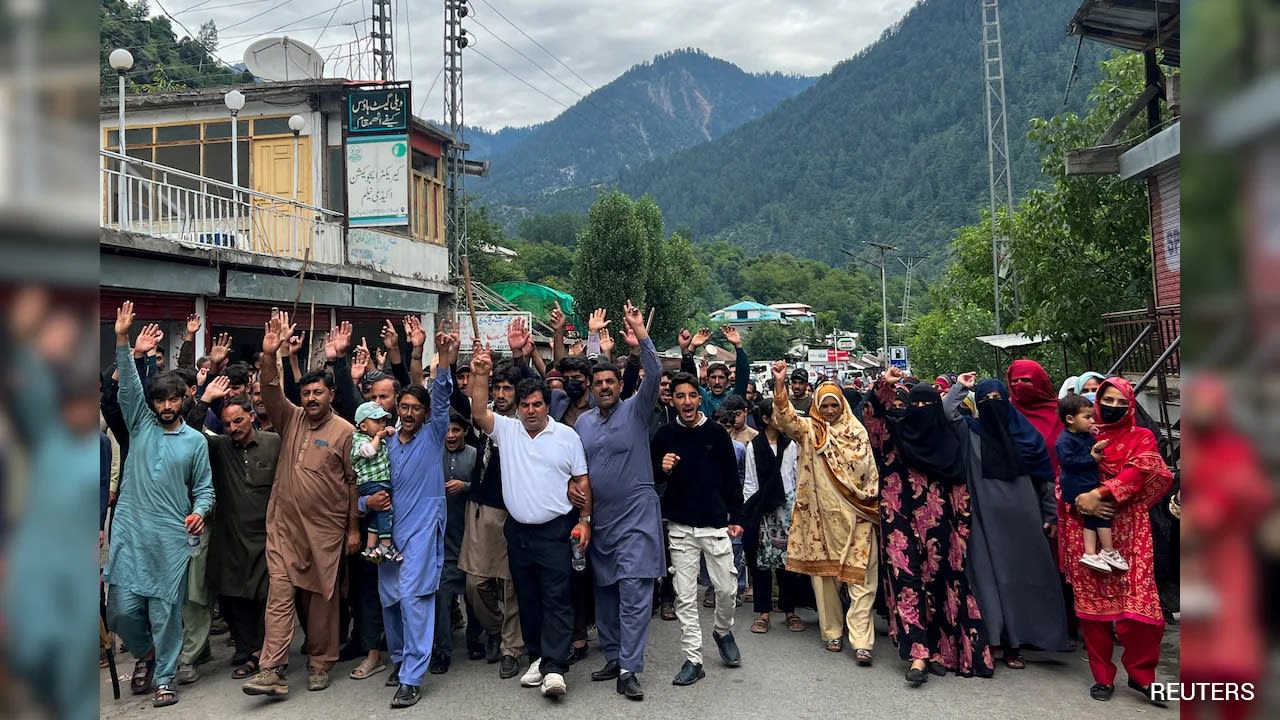
Violent clashes in Pakistan-administered Kashmir have left over 100 dead following a crackdown on the Joint Awami Action Committee (JAAC). While protesters demand basic rights like affordable electricity and healthcare, authorities have labeled the group as armed, foreign-funded terrorists.
The Unfolding Crisis in Pakistan-Administered Kashmir
The recent surge of violence in Pakistan-administered Kashmir (PoK) marks a significant escalation in the region's long-standing socio-political instability. Over the past two months, the death toll has reportedly surpassed 100, resulting from intense clashes between security forces and members of the Joint Awami Action Committee (JAAC). This unrest, particularly centered in the city of Rawalakot, highlights a widening chasm between the local populace and regional authorities.
Origins of the Protest Movement
At the core of these demonstrations is the Joint Awami Action Committee (JAAC), an organization that has become the primary vehicle for public grievances. The protesters are advocating for fundamental economic and social rights, specifically citing the rising costs of electricity, the lack of affordable flour, and deficiencies in the local healthcare and education sectors. These demands were ostensibly addressed in an agreement signed in October between the local government and the protesters, yet the failure to implement these terms has served as a primary catalyst for the current wave of civil disobedience.
Government Crackdown and Narrative War
In response to the growing movement, the state has adopted a hardline stance. The JAAC was officially banned in June, and government officials have characterized the group as "foreign-funded terrorists" intent on disrupting regional elections. Authorities have effectively sealed off cities like Rawalakot, citing security concerns and allegations that the protesters are armed. This narrative serves to justify the use of force, including the reported use of live ammunition against civilians, which has further exacerbated the tension on the ground.
The Human Cost and International Scrutiny
Recent investigative reporting from within Rawalakot has provided a rare glimpse into the human suffering behind the statistics. Testimonies from those affected reveal a deep sense of betrayal, as citizens claim they were merely seeking basic necessities rather than political subversion. The discrepancy between the official government narrative—which frames the movement as an external threat—and the lived reality of the protesters creates a volatile environment where dialogue has been replaced by physical confrontation.
Geopolitical Implications
While the government alleges that the JAAC is receiving foreign backing, the group explicitly rejects these characterizations. They maintain that their funding is derived from the diaspora of the Pakistan-administered Kashmir community abroad, rather than from foreign state actors like India. The government’s refusal to permit marches toward the regional capital, Muzaffarabad, suggests a calculated effort to contain the movement's influence before it can gain broader momentum during the ongoing electoral process.
Future Outlook
As the situation remains fluid, the prospects for a peaceful resolution appear dim. The government’s insistence on labeling the JAAC as an armed insurgency, coupled with the protesters' refusal to abandon their demands for economic relief, points toward a prolonged standoff. Unless a new framework for negotiation is established that addresses the underlying economic grievances of the population, the cycle of violence in the region is likely to persist, further destabilizing the administrative integrity of the area.
Multiple Citing Sources
Verification Required?