Locked, loaded ... and put on hold: Another bewildering Trump pivot on Iran
Source Entity
CHIDANAND RAJGHATTA
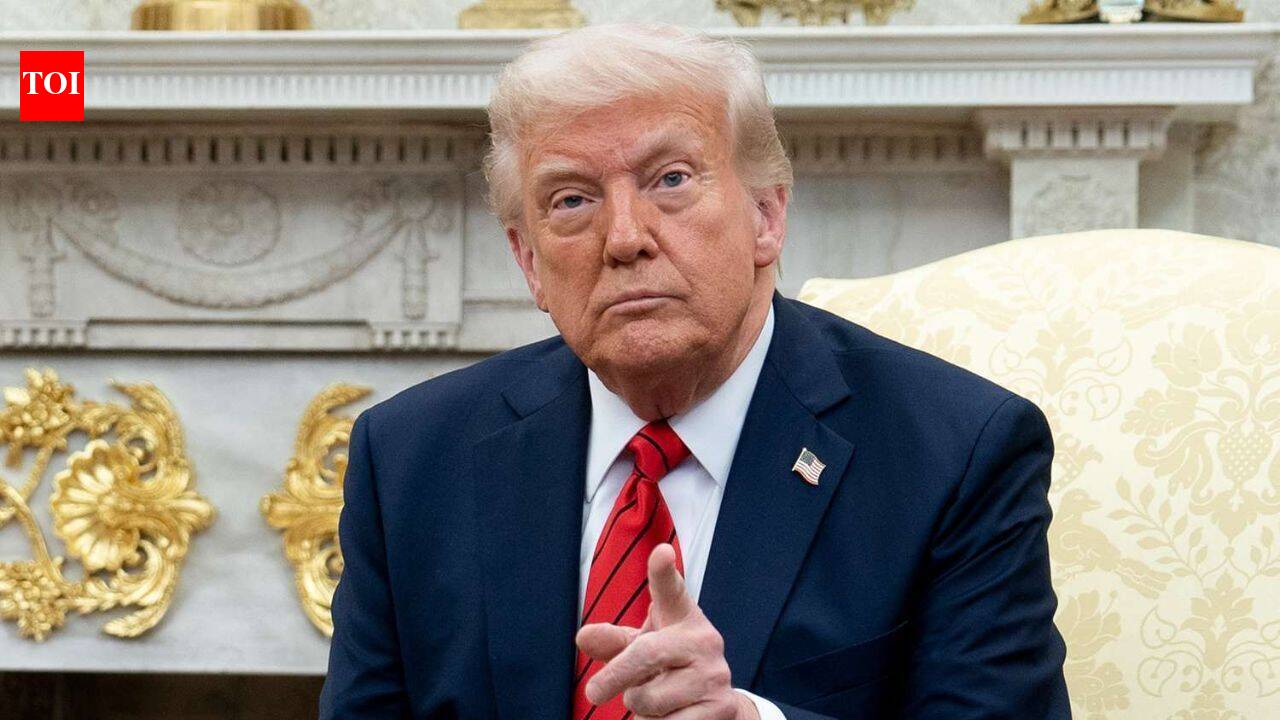
President Donald Trump announced he has canceled planned military strikes against Iran following an agreement on the perimeters of a new deal. The proposed framework aims to ensure the reopening of the Strait of Hormuz and the elimination of Iran's nuclear threat.
Diplomatic Pivot: Trump Halts Iran Strikes Amid New Deal Framework
In a significant development for Middle Eastern stability, U.S. President Donald Trump has officially announced the suspension of planned military strikes against Iran. This decision follows a reported diplomatic breakthrough where Tehran and other regional stakeholders requested a cessation of hostilities, citing an agreement on the "perimeters of a deal." This shift marks a precarious moment in U.S.-Iran relations, moving from the brink of kinetic military engagement to a fragile, negotiated framework.
The Core Components of the Agreement
The proposed deal, as outlined by the President, centers on two critical pillars of regional security: the immediate and total opening of the Strait of Hormuz and a definitive end to Iran’s nuclear program. The Strait of Hormuz is one of the world's most vital maritime chokepoints, and its closure would have catastrophic effects on global energy markets. By prioritizing its reopening, the administration is signaling that economic stability and the free flow of oil remain paramount to U.S. national security interests.
Strategic Posturing and Deterrence
Despite the pause in offensive operations, President Trump has emphasized that the United States remains "locked and loaded." By highlighting the scale of U.S. military power—describing it as unparalleled since World War II—the administration is maintaining a posture of deterrence. This suggests that the current "deal" is a conditional reprieve rather than a permanent settlement. The inclusion of Israel in this commitment reinforces a unified regional front, adding pressure on Tehran to adhere to the agreed-upon terms.
Navigating the Diplomatic Minefield
The reliance on "perimeters of a deal" rather than a finalized, signed treaty suggests that negotiations are in a nascent, high-stakes phase. The administration’s warning that naval blockades and economic pressure will persist until a final agreement is formalized indicates that the United States is not abandoning its "maximum pressure" strategy. Instead, it is leveraging the threat of immediate military action to force a diplomatic resolution that addresses long-standing concerns regarding nuclear proliferation.
Implications for Regional Stability
The request from "other Middle Eastern countries" to hold off on attacks underscores the regional anxiety regarding a potential conflict. A large-scale military confrontation would likely have destabilizing ripple effects across the Persian Gulf, impacting everything from energy prices to regional political alliances. By facilitating this pause, the U.S. is attempting to act as an arbiter of regional security, though the success of this endeavor depends entirely on Iran’s willingness to translate these verbal perimeters into concrete, verifiable actions.
Future Outlook
Looking ahead, the situation remains highly fluid. While the cancellation of strikes is a de-escalation, the path forward is fraught with challenges. The international community will be watching closely to see if the "perimeters" lead to a sustainable diplomatic breakthrough or if this is merely a temporary reprieve in a long-standing geopolitical standoff. The administration’s insistence that pressure will continue serves as a reminder that the window for a peaceful resolution is narrow and contingent upon strict compliance with the stated objectives.
Multiple Citing Sources