Trump suggests new talks with Iran to begin on Monday
Source Entity
BBC News
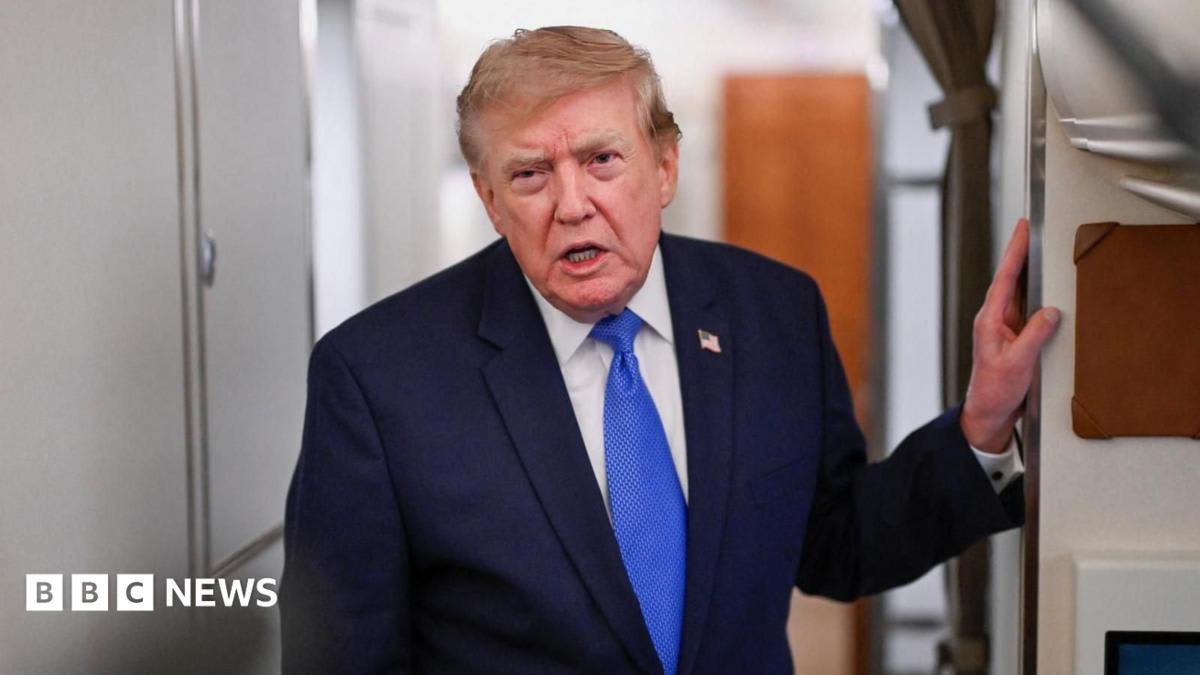
President Trump has announced potential diplomatic negotiations with Iran following his decision to halt a major military strike. Tehran, however, has denied any plans for direct talks, highlighting a significant disconnect between the two sides.
The Diplomatic Standoff: Analyzing the US-Iran Negotiations
A Shift from Military Action to Diplomacy
US President Donald Trump has publicly stated that negotiations with Iran are slated to begin on Monday, following his last-minute decision to abort what he characterized as a "massive" military strike. This dramatic pivot from potential kinetic action to diplomatic outreach marks a volatile period in US-Iran relations. The President claims that the decision to stand down was influenced by direct appeals from key Middle Eastern allies, specifically Qatar, Saudi Arabia, and the United Arab Emirates, who urged the administration to prioritize a peaceful resolution.
The Disconnect in Communications
Despite President Trump’s assertion that a framework for a deal has been discussed and that negotiations are imminent, the Iranian government has offered a starkly different narrative. Iran’s foreign ministry has explicitly denied the existence of plans to host a US delegation or to send their own representatives to Washington. This fundamental disagreement suggests that while the US perceives a diplomatic path forward, Tehran remains resistant to the format or existence of these proposed direct talks, potentially relying on established third-party mediators instead.
Patterns of Volatility
This current situation reflects a broader, recurring pattern in the ongoing geopolitical friction between Washington and Tehran. President Trump has previously signaled that a negotiated end to conflicts was imminent, only for hostilities to resume shortly thereafter. The skepticism surrounding these latest claims is exacerbated by the President's own rhetoric, which has shifted rapidly from threats of "the biggest attack since World War II" to claims of a pending diplomatic breakthrough, creating an atmosphere of deep uncertainty for regional stability.
The Role of Regional Allies
The involvement of Gulf allies such as Saudi Arabia and the UAE underscores the high stakes involved for regional actors. These nations, while advocating for diplomacy, remain caught in the middle of a struggle that threatens their security and economic stability. By reportedly pushing the US to "hold off" on military action, these allies are attempting to navigate a delicate balance: preventing a full-scale regional war while managing the consequences of US-Iran hostility.
Future Implications and Trends
Looking ahead, the success of any potential negotiation remains highly improbable without a clear, mutually agreed-upon channel for communication. If Iran continues to deny the existence of these talks, the window for a diplomatic solution may close rapidly, potentially returning the region to the brink of military escalation. The "duplicity" cited by the President in his public statements suggests that the administration's patience is thin, and the failure of these alleged Monday talks could lead to a renewed push for the military options that were previously sidelined.