India issues names for 27 Arunachal locations in response to China’s renaming moves
Source Entity
Latest News: Todays Latest News Headlines from India & World | Hindustan Times | Hindustan Times
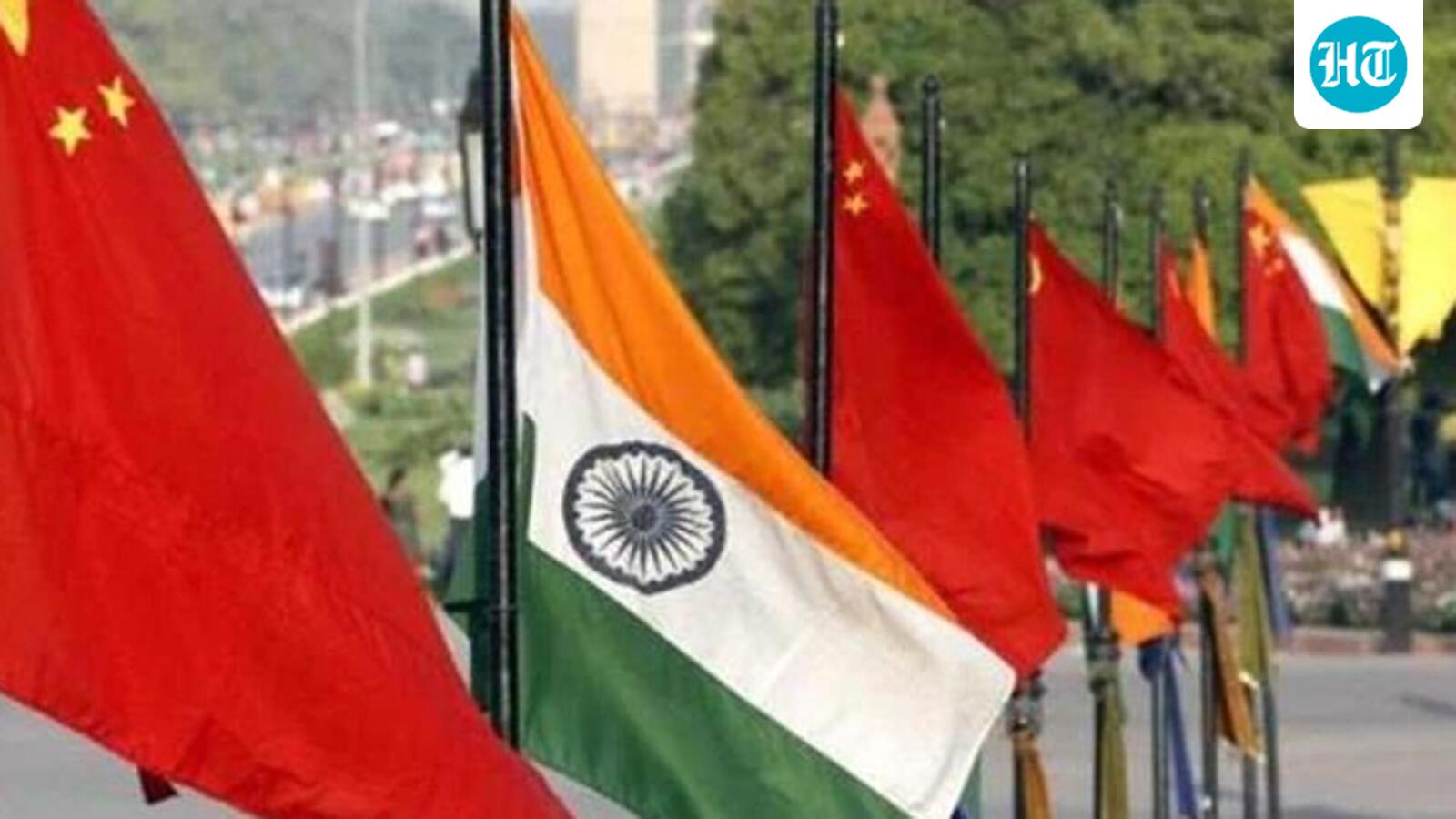
India has officially assigned standard names to 27 locations in Arunachal Pradesh to counter China's repeated attempts to rename Indian territories. This strategic move aims to reinforce India's sovereign jurisdiction along the Line of Actual Control.
India Reasserts Sovereignty Through Standardized Nomenclature
In a decisive move to solidify its territorial integrity, the Indian government has officially assigned standard names to 27 locations and geographical features within Arunachal Pradesh. This initiative, coordinated by the Union Home Ministry in consultation with the Arunachal Pradesh state government, serves as a calculated response to Beijing’s ongoing attempts to rename various sites within the Indian state. By formalizing these names on the Survey of India maps, New Delhi is actively countering what it describes as "vain and preposterous" efforts by China to alter the status quo through administrative map-making.
The Strategic Significance of the LAC
The 27 identified locations—which include four mountain passes, a high-altitude lake, and various villages—are situated in close proximity to the Line of Actual Control (LAC). These areas are not merely geographical markers; they hold immense strategic importance in the ongoing border discourse. By standardizing these names, India is effectively removing ambiguity regarding territorial demarcation, ensuring that its administrative reach is clearly reflected in official documentation. This move is a direct assertion of India's "absolute sovereign and legal jurisdiction" over the region.
Historical Context: From Longju to the McMahon Line
The inclusion of specific sites, such as the border village of Longju, underscores the historical depth of the India-China border dispute. Longju, which has been under Chinese control since 1959, remains a point of contention as it falls within the Indian claim line. By formally naming these locations, the government is highlighting the historical context of the McMahon Line and the unresolved nature of these border conflicts. This approach serves to raise national and international awareness of India’s long-standing, rightful claims to these territories.
Countering the 'Map War'
This development is the latest chapter in what has been termed a "map war," where China has repeatedly attempted to assign Chinese names to places in Arunachal Pradesh. India has consistently rejected these assertions, maintaining that such unilateral actions cannot alter the undeniable reality that Arunachal Pradesh is an integral part of the country. This formalization process acts as a diplomatic and administrative riposte, signaling to Beijing that India will not remain passive while its geography is subjected to revisionist labeling.
Future Implications and Policy Outlook
The standardization of these 27 locations signifies a shift toward a more proactive stance in border management and territorial signaling. As geopolitical tensions along the LAC persist, it is likely that India will continue to utilize institutional tools—such as official mapping and infrastructure development—to reinforce its sovereign presence. This strategy not only serves domestic interests by clarifying administrative boundaries but also serves as a firm message to the international community regarding the status of the border regions.
Conclusion
Ultimately, the naming of these 27 sites is a robust exercise of administrative authority aimed at curbing external attempts to undermine India's sovereignty. By integrating these names into official surveys, India is ensuring that its legal stance remains consistent and visible. As both nations continue to navigate the complexities of their border relations, this move serves as a foundational step in clearly defining the reality on the ground, effectively rejecting any external attempts to rewrite the geography of the Indian state.
Multiple Citing Sources
Verification Required?