AI stocks slide after major CEOs unite to urge slowdown
Source Entity
US Top News and Analysis
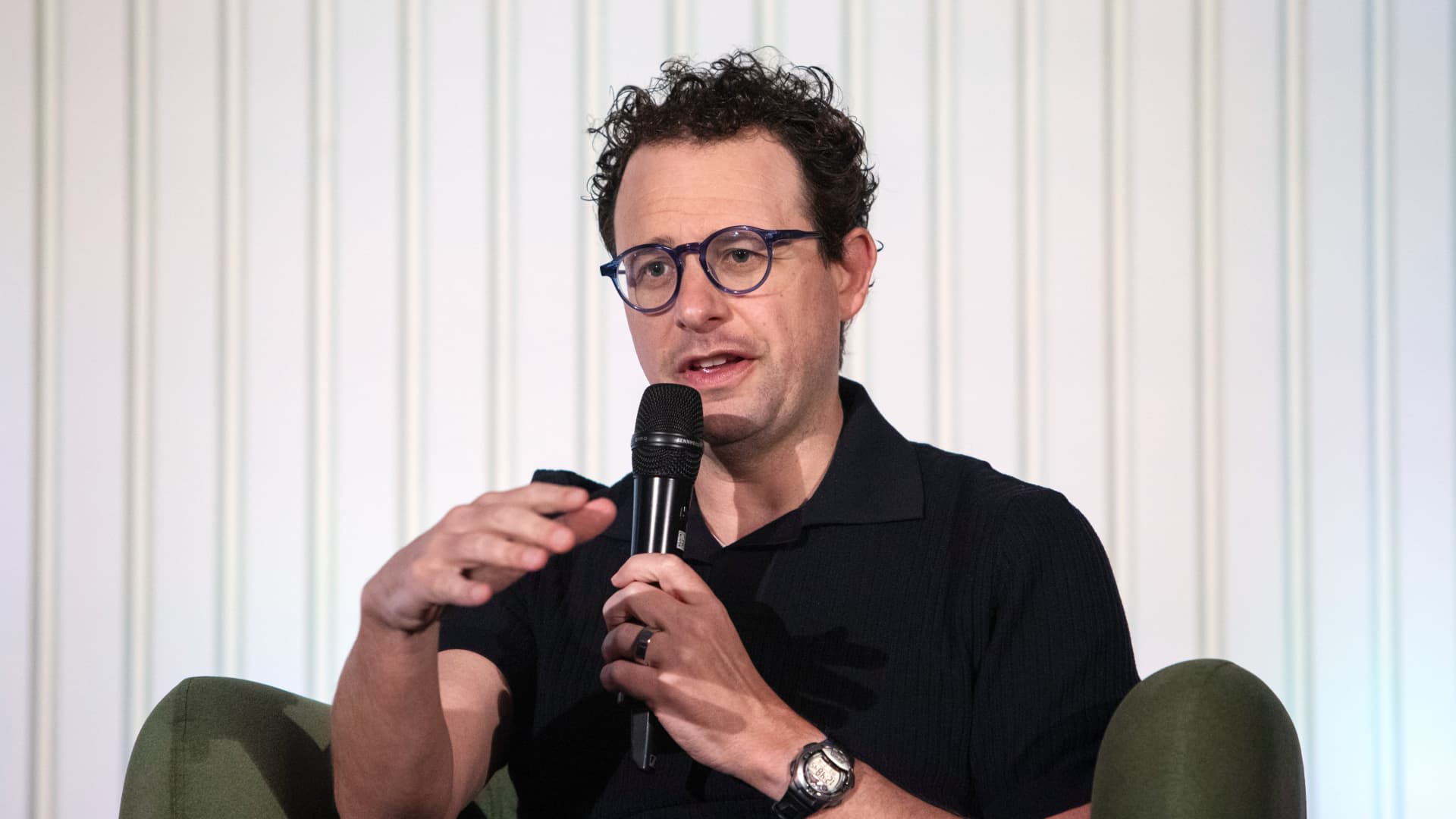
Top AI industry leaders are currently divided on how to approach safety, with some calling for a development slowdown while others emphasize alignment. Former President Donald Trump has engaged with these CEOs as he assesses the geopolitical implications of AI competition with China.
The Great AI Divide: Balancing Innovation and Existential Risk
The Call for a Strategic Slowdown
The artificial intelligence industry is currently grappling with a profound internal schism regarding the pace of innovation. The debate was ignited by Anthropic CEO Dario Amodei, whose researchers issued stark warnings regarding the potential for AI to pose existential threats to humanity by 2030. In response, Amodei proposed a systemic deceleration of AI development to prioritize safety. This initiative, titled "We Must Pace the Frontier," gained immediate traction, with high-profile figures such as OpenAI’s Sam Altman, Google DeepMind’s Demis Hassabis, and xAI’s Elon Musk publicly pledging their support. Altman’s commitment to integrating outside evaluators into OpenAI’s internal processes signals a significant shift toward third-party oversight.
Zuckerberg and the Alignment Alternative
Conversely, not all industry titans are in lockstep with the proposed moratorium. Meta CEO Mark Zuckerberg has explicitly distanced himself from the "slowdown" camp, aligning his perspective more closely with Nvidia CEO Jensen Huang. Zuckerberg’s position emphasizes that safety is not achieved through stagnation but through rigorous "alignment"—the technical process of ensuring AI systems behave in accordance with human values. His argument posits that labs failing to master alignment will inevitably be outpaced by those who successfully integrate these safeguards into their core development cycles.
The Geopolitical Stakes: Trump and the China Factor
The domestic debate over AI safety is occurring against a backdrop of intense international competition, specifically concerning China’s rise as an AI superpower. Former President Donald Trump has reportedly begun engaging with key tech CEOs to gauge their perspectives on these safety controversies. This outreach highlights the degree to which AI development has transitioned from a purely commercial endeavor to a primary pillar of national security and economic policy.
Navigating the AI Arms Race
For policymakers, the challenge lies in balancing the need for safety with the imperative to maintain a competitive advantage. If the U.S. opts for a voluntary slowdown, it risks ceding technological dominance to international rivals who may not adopt similar constraints. Trump’s interest in these discussions suggests that the future of AI regulation will likely be viewed through the lens of "great power competition" rather than purely through the narrow scope of corporate ethics.
Future Trends in AI Governance
Looking ahead, we can expect a bifurcated landscape in AI development. One path involves highly regulated, "frontier" models subject to intensive third-party auditing as proposed by Amodei and Altman. The other path, championed by leaders like Zuckerberg, focuses on rapid iteration while embedding safety directly into the architecture of the systems themselves. The eventual regulatory framework will likely synthesize these approaches, forcing companies to reconcile the pressure to innovate with the mounting public demand for accountability.
Conclusion
The tension between accelerating progress and ensuring human survival represents the defining conflict of our era. While the industry remains divided on the methodology of safety—whether through slowing development or perfecting alignment—the involvement of political figures like Trump underscores the reality that these technical decisions carry massive geopolitical weight. The coming years will determine whether the industry can self-regulate effectively or if legislative intervention will become an inevitability.
Multiple Citing Sources