AI Tool Used On National Highways May Help States Spot Crash Risks
Source Entity
NDTV News Search Records Found 1000
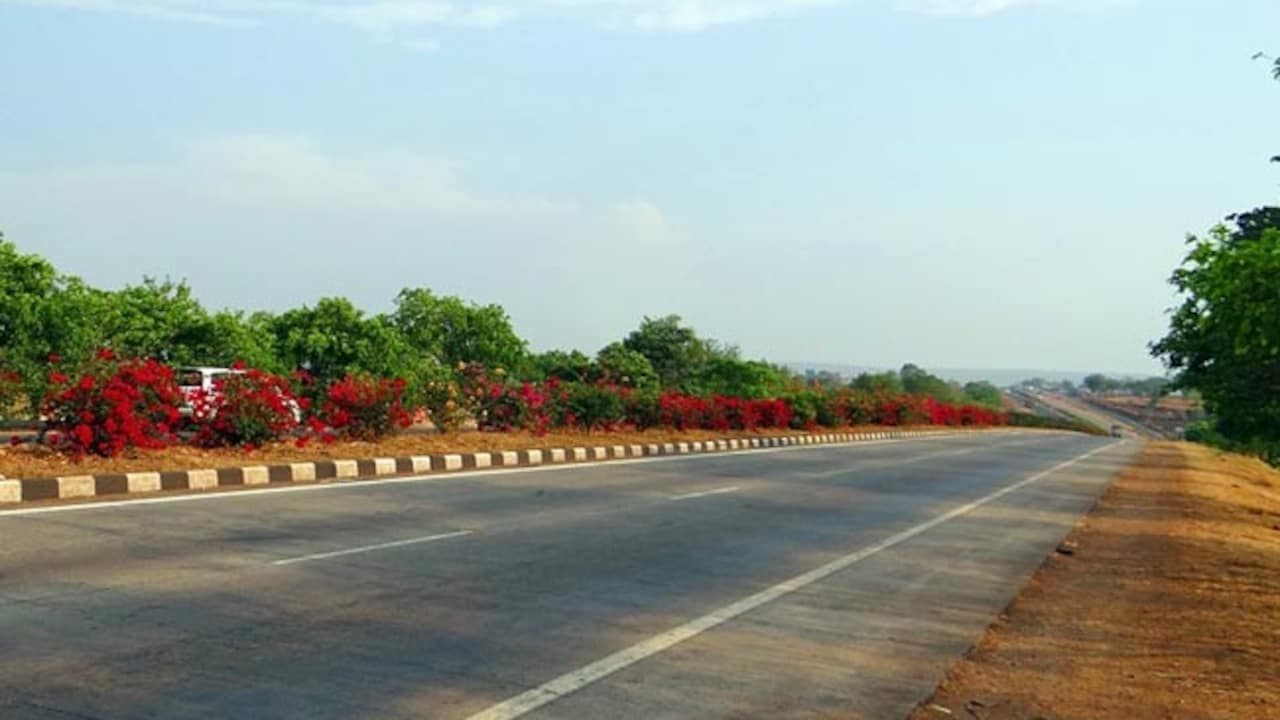
Artificial intelligence is now being deployed across India's National Highway network to analyze eDAR data. This technology aims to identify and mitigate potential crash risks to improve road safety.
Leveraging AI for Safer National Highways
The integration of Artificial Intelligence (AI) into the management of India's National Highway network represents a significant shift in infrastructure safety protocols. By utilizing the Electronic Detailed Accident Report (eDAR) data, authorities are moving toward a proactive rather than reactive stance regarding road safety. This technological intervention allows for the systematic processing of vast amounts of accident-related information, transforming raw data into actionable insights that can prevent future tragedies.
The Role of eDAR in Data-Driven Safety
The eDAR system serves as the foundational database for this initiative, centralizing information collected from police reports, medical records, and site inspections following traffic incidents. By applying AI algorithms to this repository, traffic engineers and safety officials can identify high-risk zones, commonly referred to as 'black spots.' These algorithms can detect patterns that human analysts might overlook, such as specific times of day, weather conditions, or infrastructure design flaws that correlate with higher accident frequencies.
Transforming Highway Infrastructure
Beyond mere data collection, the use of AI on the National Highway network implies a fundamental change in how physical infrastructure is maintained. Once the AI identifies a specific segment of a highway as a high-risk area, state authorities can prioritize maintenance, such as improving signage, installing crash barriers, or redesigning intersections. This targeted approach ensures that limited resources are directed toward the most dangerous locations, thereby maximizing the return on safety investments.
Broader Implications for Road Safety
The deployment of this technology signals a broader commitment to digital transformation in public safety. As AI models continue to learn from ongoing eDAR inputs, the predictive accuracy of these systems is expected to improve, allowing for 'preventative maintenance' of road safety. This not only reduces the economic burden caused by traffic accidents—which include medical costs and lost productivity—but also significantly enhances the overall reliability of the national transport network.
Future Trends and Scalability
Looking forward, the success of AI-driven analysis on national highways could pave the way for wider implementation across state highways and urban road networks. If the integration of eDAR data proves effective, we may see the development of real-time monitoring systems that could eventually warn drivers of hazardous conditions based on historical trends and current traffic data. This evolution from static safety reports to dynamic, AI-informed decision-making is essential for modernizing India's transportation landscape and reducing the national fatality rate on roads.
Verification Required?