Musk director Alex Gibney on Elon Musk’s legal threat: ‘He wasn’t interested in talking’
Source Entity
The Indian Express
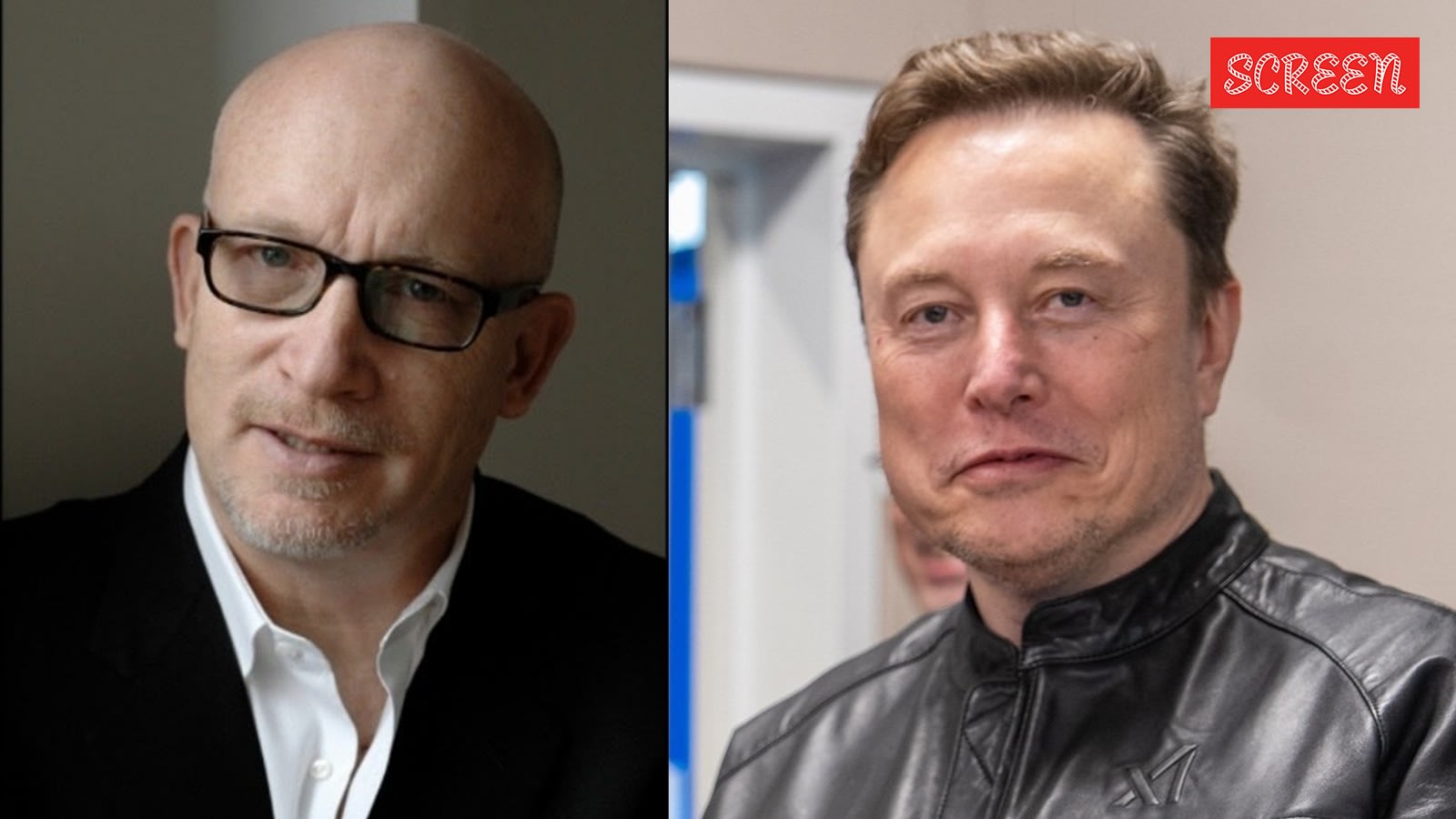
Director Alex Gibney's new four-hour documentary, 'Musk,' offers an exhaustive look at the billionaire's career while facing legal scrutiny. Despite Gibney's attempts to include Musk's perspective, the subject remained silent, leading to a film that critics say may struggle to reach those outside of Musk's existing follower base.
The Cinematic Examination of a Tech Titan
Alex Gibney, an Academy Award-winning filmmaker known for his incisive critiques of corporate power in documentaries like The Inventor: Out for Blood in Silicon Valley and Steve Jobs: Man in the Machine, has turned his lens toward one of the most polarizing figures of the 21st century: Elon Musk. His latest work, titled Musk, is a sprawling, four-hour cinematic undertaking that attempts to chronicle the trajectory of the billionaire from his early dot-com days to his current status as a central figure in global politics and government reform.
A Challenging Narrative Structure
The film adopts a chronological approach, beginning with Musk’s sci-fi-inspired visions of space exploration and moving through the establishment of his diverse business empire, which includes Tesla, SpaceX, and the social media platform X. By grounding the narrative in these foundational ambitions, Gibney seeks to provide a comprehensive look at how a single individual has managed to exert such a profound, and often controversial, influence on modern infrastructure, public discourse, and even the operation of United States government departments.
The Barrier of Accessibility
One of the primary critiques regarding the film’s structure is its daunting four-hour runtime. While this length allows for an incredibly thorough retelling of Musk’s history, it presents a significant barrier to entry for the general public. Critics suggest that the documentary may largely serve to inform those already familiar with the intricacies of Musk’s career, potentially struggling to convert viewers who are not already deeply invested in the discourse surrounding his "catastrophic" or transformative influence on the world.
Conflicts Behind the Camera
The production of Musk was not without external pressure. At the Toronto International Film Festival (TIFF), Gibney revealed that he faced legal threats from Musk’s attorneys. During a keynote address, Gibney emphasized that his team made numerous formal attempts to engage the billionaire throughout the production process. According to Gibney, these efforts were met with silence, suggesting that Musk was uninterested in participating in a project that sought to critically examine his influence on entities like the Department of Government Efficiency (DOGE).
Implications for Documentary Ethics
This tension between the filmmaker and the subject highlights a recurring theme in modern biographical documentaries: the struggle for objective access. By refusing to engage with the filmmaker, Musk effectively signaled a desire to control his own narrative, yet this silence has arguably added a layer of intrigue to the film’s release. The legal threats issued by his legal team underscore the high stakes involved in documenting the life of a man whose influence spans from private aerospace to the inner workings of federal policy.
Future Trends in Biographical Media
As public figures like Musk become increasingly intertwined with government and global economics, the demand for long-form, investigative journalism in documentary format is likely to grow. However, the reception of Musk suggests that future filmmakers will need to balance the necessity of thorough research with the practical challenge of maintaining audience engagement. Whether or not this film succeeds in changing the public perception of Musk, it serves as a significant case study in the difficulty of capturing the life of a figure who actively resists external scrutiny.
Multiple Citing Sources