Explained: Why Amit Shah's Arunachal Visit Comes Amid Siang Dam Protests
Source Entity
NDTV News Search Records Found 1000
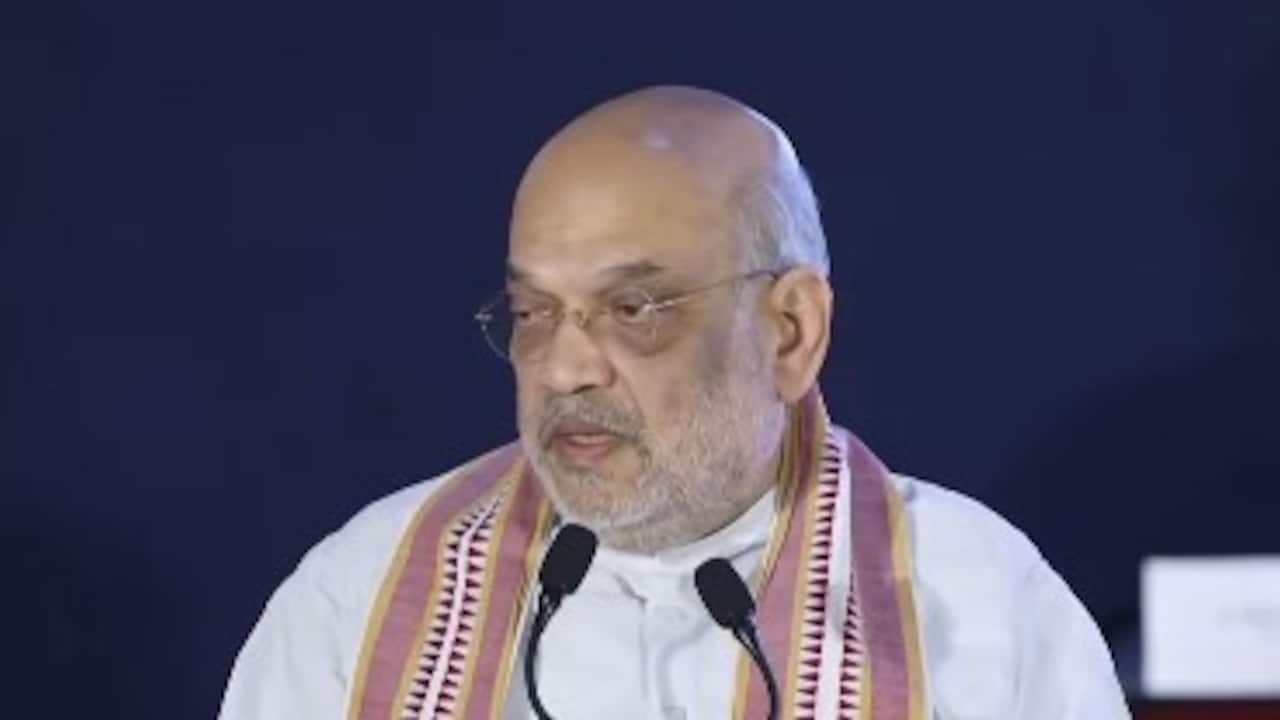
Union Home Minister Amit Shah's visit to Arunachal Pradesh occurs amidst growing local opposition to the proposed Siang dam project. The visit highlights the delicate balance between regional development and community concerns.
The Strategic Context of Amit Shah’s Arunachal Pradesh Visit
Union Home Minister Amit Shah’s recent visit to Arunachal Pradesh arrives at a critical juncture for the state’s socio-political landscape. While official visits of this magnitude typically focus on infrastructure, border security, and federal developmental schemes, this trip is inextricably linked to the brewing unrest surrounding the proposed Siang dam project. The project, which has become a lightning rod for local agitation, represents the complex intersection of hydroelectric ambition and environmental and cultural preservation.
The Siang Dam: A Focal Point of Contention
The Siang river, a major tributary of the Brahmaputra, is central to the identity and livelihood of the local indigenous populations. The proposed dam project has sparked significant protests, with residents and local organizations expressing deep concerns regarding displacement, ecological disruption, and the potential impact on traditional land rights. By including the Siang dam issue in the high-level discussions of his visit, the Union Home Minister is signaling that the government is aware of the friction between national energy security goals and local grassroots resistance.
Balancing Development and Regional Sentiment
For the federal government, Arunachal Pradesh occupies a position of paramount strategic importance. Developing the region’s water resources is often framed as a necessity for national energy independence and regional economic growth. However, the intensity of the protests suggests that the 'development-first' narrative is being challenged by the realities of local environmental governance. The inclusion of this topic in ministerial discussions suggests a potential shift toward a more nuanced, consultative approach to large-scale infrastructure projects in sensitive border regions.
Historical Tensions and Future Governance
Historically, the development of large hydroelectric projects in India’s Northeast has often been met with apprehension due to the region's fragile ecology and unique socio-cultural fabric. The Siang dam is not an isolated case but part of a broader, decades-long debate over how to integrate the Northeast into the national mainstream without compromising its autonomy and environmental integrity. Future governance trends will likely depend on whether the government can successfully mediate between the needs of the state and the specific grievances of the Siang valley communities.
Broader Implications for Northeast India
The outcome of these discussions will serve as a bellwether for future infrastructure initiatives in the region. If the government can facilitate a constructive dialogue that addresses the protesters' concerns while maintaining the project's viability, it could establish a new framework for federal-state cooperation. Conversely, if the issues remain unresolved, it could lead to prolonged instability, complicating the federal government's ability to implement its long-term strategic and developmental roadmap for the border state.
Conclusion
In summary, Amit Shah’s visit serves as a vital platform for addressing the intensifying debate over the Siang dam. By elevating this local issue to the center of national discourse, the government acknowledges the necessity of balancing power-generation objectives with the voices of the local inhabitants. The path forward remains complex, but the acknowledgement of these grievances is a prerequisite for long-term regional stability.
Verification Required?