Four Ayush colleges will be set up in A.P., says Health Minister
Source Entity
India Latest News: Top National Headlines Today & Breaking News | The Hindu
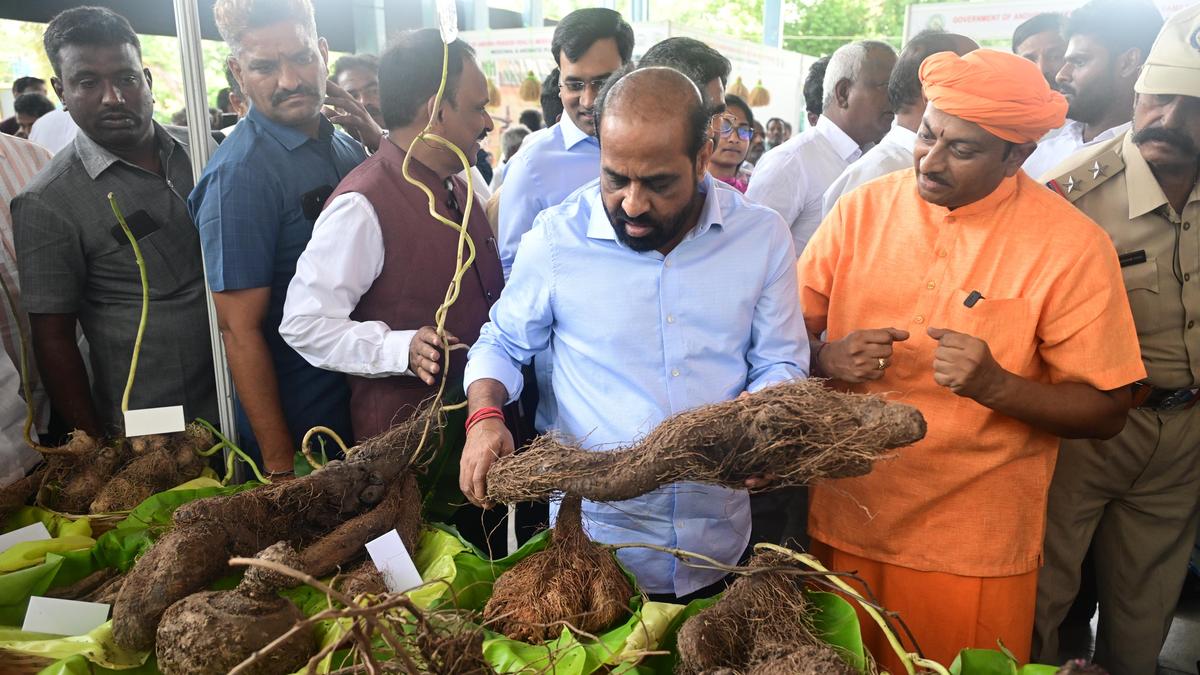
Andhra Pradesh Health Minister Satya Kumar Yadav has announced a ₹90 crore investment to establish four Ayush colleges and integrated AYUSH hospitals in six key locations, including Tirupati and Tenali, to strengthen traditional medicine infrastructure in the state.
Strengthening Traditional Medicine: Andhra Pradesh's Strategic Healthcare Expansion
In a significant move toward diversifying the healthcare landscape of Andhra Pradesh, Health Minister Satya Kumar Yadav has announced a comprehensive plan to integrate traditional medicine into the state's primary health infrastructure. The initiative involves the establishment of four new Ayush colleges and the creation of integrated AYUSH hospitals across six strategic locations: Tirupati, Giddalur, Nandigama, Tenali, Tekkali, and Rampachodavaram. With a dedicated investment of ₹90 crore, this move signifies a shift toward a more holistic approach to public health, combining the wisdom of traditional Indian medicine with modern clinical delivery.
Decentralizing Specialized Care through Strategic Placement
The selection of sites for these integrated hospitals—ranging from the spiritual and administrative hub of Tirupati to more remote areas like Rampachodavaram—demonstrates a clear intent to decentralize specialized healthcare. By placing these facilities in diverse geographical zones, the state government aims to reduce the travel burden on rural populations who previously had to migrate to major urban centers for AYUSH treatments. This distribution ensures that the benefits of Ayurveda, Yoga, Unani, Siddha, and Homeopathy are accessible to a broader demographic, effectively bridging the urban-rural healthcare divide and promoting equity in medical access.
Building a Sustainable Pipeline of Practitioners
Beyond the immediate provision of healthcare services, the announcement of four new Ayush colleges is a critical investment in human capital. The sustainability of any healthcare system depends on the availability of qualified professionals. By establishing these colleges, Andhra Pradesh is not merely treating patients but is building a sustainable academic pipeline to train the next generation of AYUSH practitioners. This focus on education ensures that the practice of traditional medicine remains standardized, evidence-based, and academically rigorous, preventing the proliferation of unqualified practitioners and ensuring patient safety.
Financial Allocation and Economic Stimulus
The ₹90 crore investment allocated for this project reflects a prioritized budgetary commitment to alternative medicine. From an economic perspective, the construction and operation of these colleges and hospitals will likely act as a catalyst for local development in the chosen districts. The creation of new medical roles, administrative positions, and support staff will generate employment opportunities. Furthermore, the presence of educational institutions often stimulates local economies through the influx of students and faculty, creating a secondary economic ripple effect in towns like Tekkali and Giddalur.
The Synergy of Integrated Healthcare
The concept of "Integrated AYUSH hospitals" is perhaps the most analytical aspect of this announcement. Rather than treating traditional medicine as a separate or inferior alternative to allopathy, the state is moving toward an integrative model. This approach allows for a synergistic relationship where patients can benefit from the acute care of modern medicine while utilizing AYUSH for chronic disease management, preventive care, and rehabilitation. This holistic framework is increasingly recognized globally as a way to improve patient outcomes, particularly for lifestyle-related ailments such as diabetes and hypertension.
Future Trends in Public Health Infrastructure
Looking forward, this initiative is likely to set a precedent for how state governments in India approach the "National Ayush Mission." We can expect a trend where the integration of traditional medicine becomes a standard feature of the public health system rather than a niche offering. As these facilities become operational, the state will likely gather data on the efficacy of integrated care, which could lead to further policy refinements and increased funding for traditional medical research within the state.
Conclusion
Overall, Health Minister Satya Kumar Yadav's announcement represents a calculated expansion of the healthcare safety net in Andhra Pradesh. By balancing the creation of educational institutions with the deployment of integrated hospitals, the state is addressing both the immediate need for treatment and the long-term need for professional expertise. This ₹90 crore investment is more than just an infrastructure project; it is a strategic pivot toward a comprehensive, inclusive, and holistic healthcare ecosystem that respects traditional heritage while embracing modern institutional standards.
Verification Required?