Andhra Pradesh and the next El Niño challenge
Source Entity
India Latest News: Top National Headlines Today & Breaking News | The Hindu
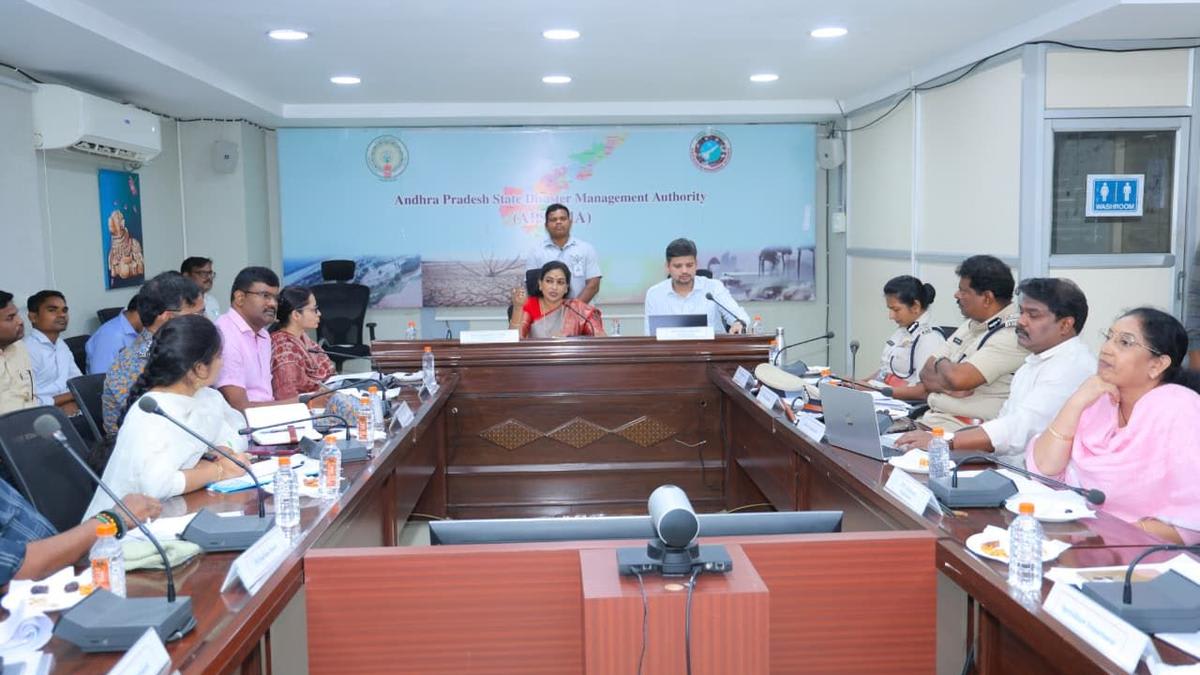
Heatwaves and rainfall deficits could put the State’s preparedness to the test
Navigating the Climate Crisis: Andhra Pradesh and the El Niño Threat
Andhra Pradesh stands at a critical juncture as it prepares for the cyclical arrival of El Niño, a climate pattern characterized by the warming of surface waters in the eastern Pacific Ocean. For a state whose economy and social fabric are deeply intertwined with agriculture, the arrival of El Niño is not merely a meteorological event but a systemic risk. The primary concern lies in the phenomenon's historical tendency to disrupt the Southwest Monsoon, often leading to rainfall deficits that can trigger widespread droughts across the Deccan plateau and the coastal plains of the state.
The Agricultural Vulnerability of the 'Rice Bowl'
As one of India's leading producers of rice and other staples, Andhra Pradesh is uniquely vulnerable to the rainfall deficits associated with El Niño. The state's agricultural heartlands rely heavily on a predictable monsoon to replenish reservoirs and sustain paddy cultivation. When rainfall falls below the long-period average, the resulting moisture stress in the soil leads to significant crop failures. This volatility creates a precarious economic environment for millions of small-scale farmers, potentially leading to increased rural debt and a decline in the state's overall food security. The synergy between lower precipitation and higher temperatures often accelerates crop wilting, making the 'Rice Bowl' of India susceptible to severe yield losses.
The Escalating Threat of Heatwaves
Beyond the lack of rain, the 'next El Niño challenge' manifests as intensified heatwaves. The warming trend associated with this climatic shift often exacerbates existing temperature peaks, leading to prolonged periods of extreme heat. These heatwaves do more than just stress crops; they increase the rate of evapotranspiration, further depleting soil moisture and drying up local water bodies. From a public health perspective, these spikes in temperature place an immense burden on the healthcare infrastructure, increasing the incidence of heatstroke and respiratory ailments among the rural workforce who spend the majority of their time outdoors.
Water Security and Infrastructure Stress
The state's preparedness is currently being tested through its water management strategies. El Niño-induced droughts put immense pressure on the state's dam systems and groundwater reserves. As surface water vanishes, there is an inevitable pivot toward groundwater extraction, which often leads to a dangerous drop in water tables. The challenge for the Andhra Pradesh government lies in balancing the immediate needs of irrigation with the long-term sustainability of its aquifers. The effectiveness of current micro-irrigation projects and the efficiency of water distribution networks will be the deciding factors in whether the state can mitigate the worst effects of the coming dry spell.
Socio-Economic Ripples and Fiscal Pressure
Climate shocks of this magnitude rarely remain confined to the fields; they ripple through the entire socio-economic structure of the state. A failed harvest leads to diminished purchasing power in rural areas, impacting local businesses and markets. Furthermore, the state government often faces increased fiscal pressure as it is forced to allocate emergency funds for drought relief, crop insurance payouts, and food security programs. This diversion of funds can slow down other developmental projects, creating a cycle where climate instability hinders long-term economic growth.
Towards Climate Resilience and Future Adaptation
Looking forward, the recurring nature of El Niño suggests that 'preparedness' must move from reactive relief to proactive resilience. This involves a strategic shift toward climate-smart agriculture, including the adoption of drought-resistant seed varieties and the implementation of precision farming. Strengthening early warning systems and integrating satellite-based weather forecasting will be essential for providing farmers with actionable data. If Andhra Pradesh can successfully integrate these technological advancements with robust water conservation policies, it can transform this climatic challenge into an opportunity to modernize its agrarian economy.
Conclusion
In summary, the impending El Niño cycle represents a multifaceted threat to Andhra Pradesh, combining the dangers of rainfall deficits and extreme heat. While the state's vulnerability is high due to its agricultural dependence, the outcome will depend on the agility of its disaster management and the robustness of its water infrastructure. Prioritizing sustainable water use and crop diversification is no longer optional but a necessity for the state's survival in an era of increasing climatic volatility.
Verification Required?