IMD predicts isolated heatwaves in parts of State as rain deficit worsens
Source Entity
India Latest News: Top National Headlines Today & Breaking News | The Hindu
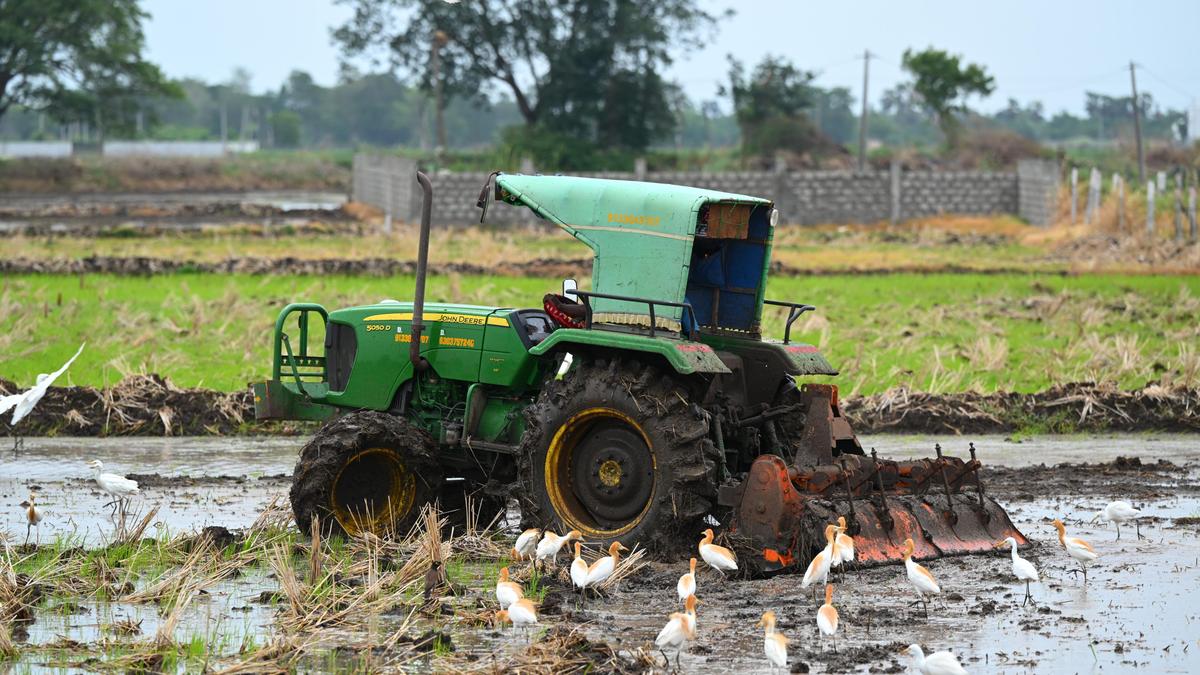
Andhra Pradesh is witnessing a sudden surge in daytime temperatures while rain remains elusive El Nino condition is playing a crucial According to the Directorate of Economics and Statistics (DES), D...
Climate Crisis in Andhra Pradesh: Analyzing the Surge in Heatwaves and Rain Deficits
Andhra Pradesh is currently grappling with a precarious climatic shift characterized by a sudden surge in daytime temperatures and a worrying deficit in rainfall. The India Meteorological Department (IMD) has signaled the arrival of isolated heatwaves across various parts of the state, a situation exacerbated by the absence of expected precipitation. This convergence of high thermal stress and moisture deficiency creates a volatile environment for both the populace and the region's critical agricultural infrastructure.
The El Niño Factor and Monsoon Disruption
At the core of this meteorological instability is the El Niño phenomenon. El Niño, characterized by the warming of surface waters in the eastern Pacific Ocean, historically correlates with weakened monsoon patterns across the Indian subcontinent. In the context of Andhra Pradesh, this has manifested as a significant rain deficit, preventing the natural cooling effect that precipitation typically provides. The lack of soil moisture further amplifies surface heating, creating a feedback loop that intensifies the severity of the heatwaves.
Agricultural Implications and Economic Strain
The mention of the Directorate of Economics and Statistics (DES) underscores the grave economic concerns surrounding this weather pattern. Agriculture in Andhra Pradesh is heavily dependent on the timely arrival of rains. A rain deficit during critical growth stages of crops can lead to widespread wilting, reduced yields, and total crop failure in rain-fed areas. When combined with extreme heat, the evaporation rates increase, depleting groundwater levels and forcing farmers to rely on expensive and often unsustainable irrigation methods, thereby increasing the financial burden on the rural economy.
Socio-Environmental Impact and Public Health
Beyond the fields, the surge in daytime temperatures poses a direct threat to public health. Heatwaves in the coastal and interior regions of Andhra Pradesh can lead to a spike in heat-related illnesses, such as heatstroke and dehydration, particularly among outdoor laborers and the elderly. Furthermore, the rain deficit puts immense pressure on urban water supplies, potentially leading to water rationing and increased conflict over dwindling water resources in densely populated districts.
Historical Context and Regional Vulnerability
Andhra Pradesh has historically been prone to climatic extremes, ranging from cyclones to droughts. However, the current trend of isolated heatwaves occurring amidst a worsening rain deficit suggests a shift toward more erratic weather patterns. The interplay between local topography and global atmospheric changes makes the state particularly vulnerable to these shifts, as the interior regions lack the moderating influence of the sea, leading to more extreme temperature spikes compared to the coastline.
Future Outlook and Mitigation Needs
Looking forward, if El Niño conditions persist or intensify, Andhra Pradesh may face a prolonged period of drought-like conditions. This necessitates an urgent shift toward climate-resilient agriculture, including the adoption of drought-resistant crop varieties and advanced micro-irrigation techniques. Moreover, the state government must strengthen its heat-action plans to protect vulnerable populations from the escalating thermal threats.
Conclusion
The current situation in Andhra Pradesh is a stark reminder of the fragility of the regional climate in the face of global phenomena like El Niño. The combination of IMD-predicted heatwaves and a worsening rain deficit creates a dual crisis of food security and public health. Addressing these challenges requires a coordinated effort between meteorological forecasting, economic planning via the DES, and grassroots agricultural adaptation to mitigate the long-term impacts of an increasingly warming planet.
Verification Required?