This 90's actor was the original choice for Deewana, which launched Shah Rukh Khan's career: Where is Armaan Kohli now?
Source Entity
Latest News: Todays Latest News Headlines from India & World | Hindustan Times | Hindustan Times
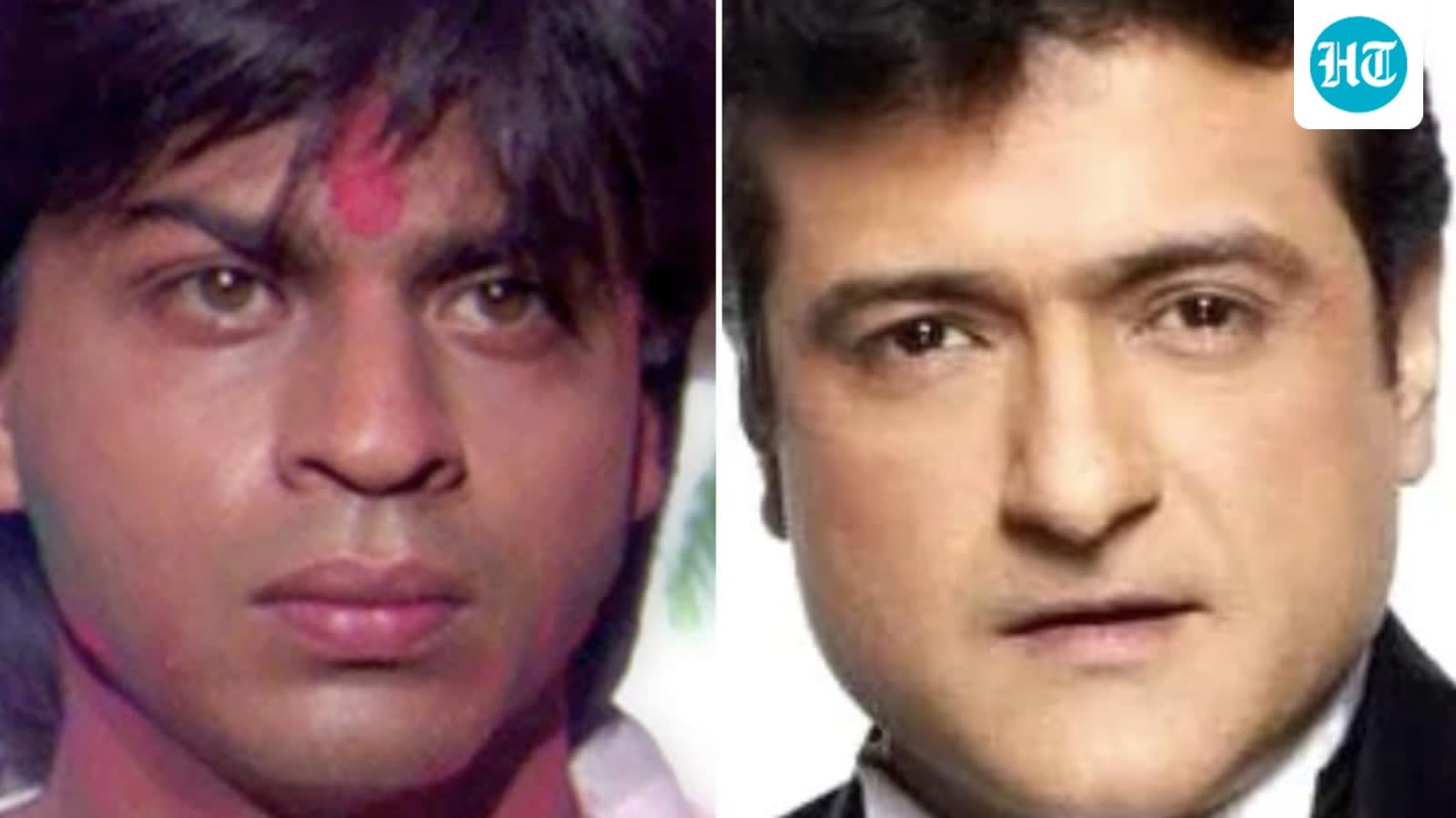
Armaan Kohli missed the chance to star in the blockbuster 'Deewana' due to his father's insistence on prioritizing the film 'Virodhi'. This decision inadvertently paved the way for Shah Rukh Khan's meteoric rise to stardom. Kohli's career trajectory highlights the high-stakes nature of casting decisions in the 1990s Bollywood film industry.
The Casting Decision That Reshaped Bollywood
In the competitive landscape of 1990s Hindi cinema, the difference between a career-defining breakthrough and relative obscurity often rested on a single casting decision. The narrative surrounding the film Deewana serves as a quintessential example of how industry dynamics, familial influence, and timing intersected to alter the trajectory of Indian cinema forever. While Armaan Kohli was initially eyed for the lead role that would eventually catapult Shah Rukh Khan to superstardom, a conflict of interests—specifically his father Rajkumar Kohli's insistence on prioritizing the release of Virodhi—resulted in a missed opportunity that altered the course of Bollywood history.
The Influence of Familial Legacy and Professional Obligations
Armaan Kohli’s early career was deeply intertwined with his family background as the son of renowned filmmaker Rajkumar Kohli and actress Nishi. Having started as a child actor in productions like Badle Ki Agni (1982) and Raaj Tilak (1984), his path was seemingly paved by the industry connections of his father. However, this familial proximity also created professional constraints. The directive from his father to focus on the 1992 film Virodhi over the prospective project Deewana reflects a common era-specific practice where producers prioritized their own internal release schedules, sometimes at the significant expense of their leads' broader career prospects.
The 'Deewana' Effect: A Career-Defining Pivot
When Armaan Kohli was dropped from the project that would become Deewana, the role was transitioned to Shah Rukh Khan. The film became an unequivocal runaway hit, effectively cementing Khan’s position as a new romantic lead in an industry undergoing a significant cultural shift. The success of Deewana was not merely a triumph for the film itself but acted as the foundational pillar for Khan's ascent to global fame. For Kohli, the loss represented a critical juncture where the momentum of his career was forced into a different direction, highlighting the volatility of stardom in the pre-internet age of Indian cinema.
Navigating the Challenges of Early 90s Stardom
Following his debut in Virodhi, Armaan Kohli appeared in several films throughout the early 1990s, including Dushman Zamana, Anaam, and Aulad Ke Dushman. Despite this steady output, he struggled to replicate the sustained, explosive success that defined the careers of his contemporaries who secured high-impact debut vehicles. This era was characterized by intense competition, and the inability to secure a string of consistent hits often meant that actors were quickly overshadowed by new arrivals who managed to capture the public imagination with a single, massive project.
Broader Implications for Industry Casting
The story of Deewana serves as a poignant case study on the importance of project selection in the film industry. It underscores how administrative decisions—often made by producers managing multiple projects—can inadvertently dictate the rise and fall of talent. While Armaan Kohli’s journey highlights the difficulties of maintaining a career in a cutthroat industry, it also emphasizes the sheer luck and timing required to secure a role that resonates with the masses. Ultimately, this historical footnote remains a compelling look at the 'what-ifs' that continue to define the legacy of 90s Bollywood.
Verification Required?