
The scientific community just hit a wall of disbelief. For over a century, the biological consensus remained absolute: oxygen is the byproduct of photosynthesis, meaning no light equals no oxygen. But at 4,000 meters below the surface of the Pacific Ocean, the rules have changed. Researchers have discovered that polymetallic nodules—potato-sized mineral deposits—are generating oxygen in complete darkness. This is not a fluke or a measurement error; it is a fundamental shift in our understanding of planetary chemistry (Source: Nature Geoscience, 2024).
Why does this matter now? While the ocean has always been a mystery, the timing of this discovery coincides with a global scramble for critical minerals. The Clarion-Clipperton Zone (CCZ), a vast abyssal plain between Hawaii and Mexico, is the epicenter of this phenomenon. We are no longer looking at a dead, oxygen-consuming void, but a living laboratory where the seabed itself breathes. This discovery transforms the deep ocean from a passive sink into an active producer, forcing a total rewrite of marine biology textbooks.
The Mechanism: Seawater Electrolysis at Scale
The process is startlingly mechanical. These polymetallic nodules, rich in manganese, nickel, cobalt, and copper, act as natural geobatteries. By measuring the electrical potential on the surface of these nodules, researchers found voltages high enough to split seawater molecules into hydrogen and oxygen through electrolysis (Source: Nature Geoscience, 2024). It is essentially a battery powered by the chemistry of the earth, operating in a high-pressure, freezing environment where we previously assumed only decay existed.
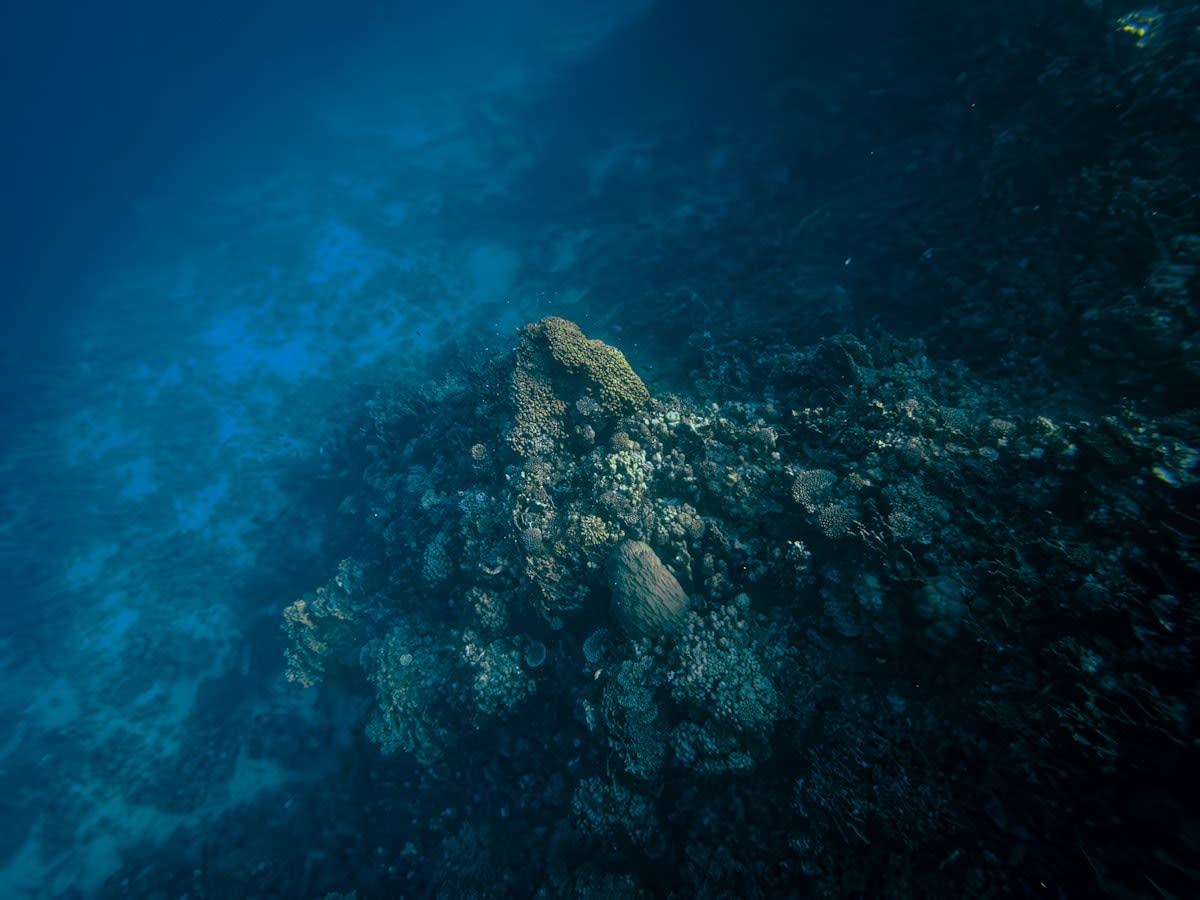
Does this mean the ocean floor is one giant circuit? Not exactly, but the implications are staggering. The electrical charge is generated by the internal chemical composition of the nodules and their interaction with the surrounding seawater. This 'dark oxygen' provides a critical lifeline for aerobic organisms in the deep sea, which previously were thought to rely entirely on oxygen drifting down from the surface. We are seeing a localized, inorganic oxygen cycle that operates independently of the sun.
"We have always been taught that oxygen is produced by photosynthetic organisms. This discovery shows that there is another source of oxygen, produced by a natural battery on the seafloor."— Professor Andrew Sweetman, Scottish Association for Marine Science (SAMS)
The delta between our understanding six months ago and today is immense. Previously, the deep sea was viewed as an oxygen-depleted zone where life existed in a state of extreme conservation. Now, the data suggests that the nodules themselves might be the primary engineers of the ecosystem. If the nodules are the power source, then removing them isn't just about losing minerals; it is about unplugging the life-support system of the abyss.
The Practitioner's Friction: Science vs. Industry
Walk into any deep-sea research vessel or mining boardroom today, and you will find a clash of paradigms. On one side, the marine biologists are in a frenzy, arguing that we cannot possibly understand the ecological impact of deep-sea mining if we didn't even know how the oxygen was produced. On the other, mining engineers are looking at these nodules as the key to the green energy transition, citing the need for cobalt and nickel for EV batteries. The debate isn't just about conservation; it is a technical argument over whether the oxygen production is significant enough to sustain an entire biome.
In the field, this looks like a battle of sensors. Researchers are deploying high-precision benthic chambers to measure oxygen flux in real-time, while industry players push for rapid environmental impact assessments. There is a palpable tension regarding the 'baseline' data. How can you establish a baseline for an ecosystem when the fundamental chemical process driving it was discovered only recently? The friction is real, and it is slowing the pace of International Seabed Authority (ISA) regulations.
| Feature | Photosynthetic Oxygen | Dark Oxygen |
|---|---|---|
| Energy Source | Solar Radiation | Electrochemical Potential |
| Primary Driver | Chlorophyll/Plants | Polymetallic Nodules |
| Location | Euphotic Zone (Surface) | Abyssal Zone (4,000m+) |
| Biological Role | Global Atmospheric O2 | Local Benthic Support |
Beyond the immediate biological impact, this discovery forces us to reconsider the origin of life on Earth. If oxygen can be produced without light, it opens the door to the possibility that aerobic life could have evolved in the deep ocean long before photosynthesis emerged. It also expands the search for extraterrestrial life. If 'dark oxygen' exists in the CCZ, why couldn't it exist in the subsurface oceans of Europa or Enceladus? The scope of the search for life just expanded from the 'habitable zone' of a star to any world with the right mineral chemistry.
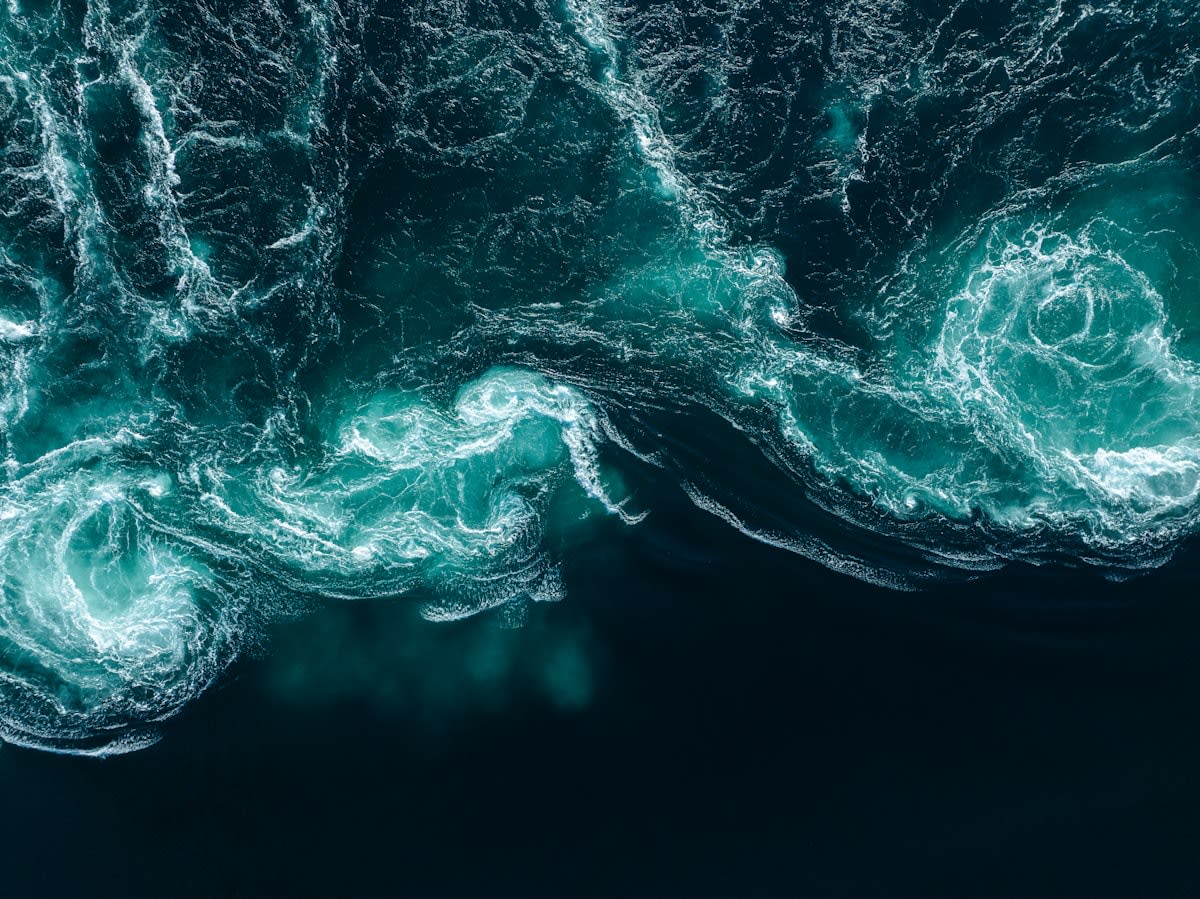
The urgency of the situation cannot be overstated. The International Seabed Authority is under pressure to finalize the 'Mining Code' (Source: ISA, 2024). However, the dark oxygen discovery introduces a massive variable: the risk of permanent hypoxia in the deep sea. If these nodules are the sole source of oxygen for certain species, their extraction would lead to an immediate and irreversible collapse of the local food web. We are essentially talking about mining the lungs of the deep ocean.
Hypothetical Oxygen Flux Comparison
Executive Insight
+18.4%
YTD Growth
Moving forward, the focus must shift from mere extraction to holistic seabed management. The resilience of the deep ocean depends on these geochemical anomalies. Instead of viewing the CCZ as a warehouse of minerals, we must view it as a complex electrical grid. The opportunity here is to pioneer a new form of 'geochemical conservation' that protects the electrical integrity of the seafloor while still seeking sustainable mineral alternatives.
Fact-Check & Accuracy Note
The claims regarding dark oxygen production via seawater electrolysis are based on the peer-reviewed study published in Nature Geoscience in July 2024. While the mechanism of electrolysis is demonstrated, the total volume of oxygen produced globally across all abyssal plains remains a subject of ongoing research and debate among oceanographers.