Arnav Paparkar, the Pune boy who made history at Wimbledon
Source Entity
Dipanita Nath
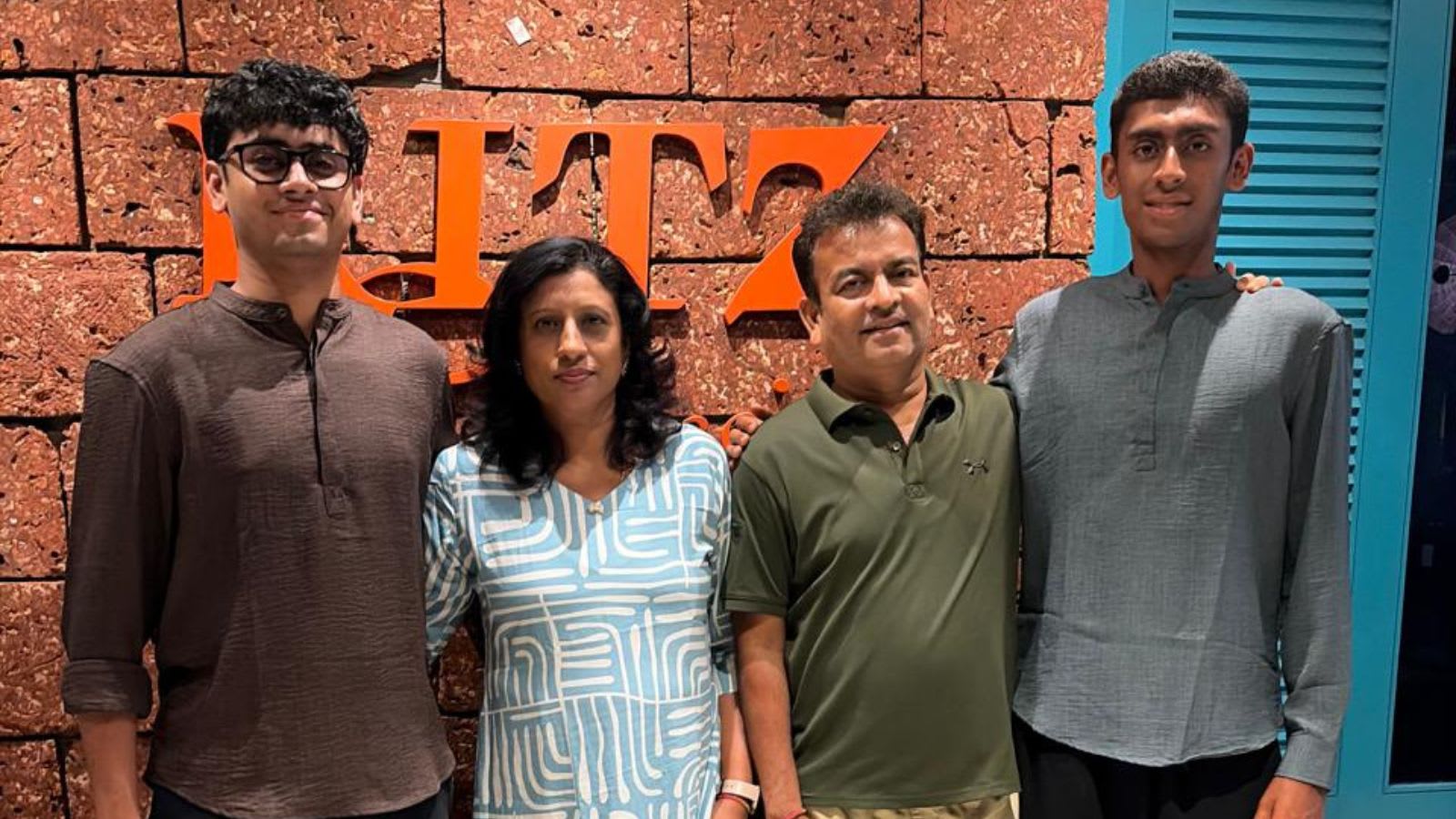
On July 8, Arnav Paparkar called his mother, Dr Vijaya Paparkar, from Wimbledon and said, “Match ho gaya hai, Mummy. Main jeet gaya hoon.” (The match is over, Mummy. I have won.) What Arnav did not k...
A Historic Triumph for Indian Tennis
In a moment of pure athletic triumph and emotional resonance, Arnav Paparkar, a young tennis prodigy from Pune, has etched his name into the annals of sporting history at Wimbledon. The event reached its emotional peak on July 8, when Arnav contacted his mother, Dr. Vijaya Paparkar, to announce his victory. This achievement is not merely a personal win but a symbolic victory for the burgeoning tennis culture in India, particularly in regional hubs like Pune, where grassroots development is beginning to yield world-class results.
The Emotional Core of the Victory
The intimacy of the moment—Arnav calling his mother to say, “Match ho gaya hai, Mummy. Main jeet gaya hoon”—underscores the deep familial support systems that often propel young athletes to international success. In the high-pressure environment of Wimbledon, the mental fortitude required to compete is immense. For a young player from Pune to navigate the prestige and intensity of the All England Club suggests a level of psychological maturity and technical discipline that far exceeds his years, marking him as a player to watch in the coming cycles.
Pune as a Growing Hub for Tennis
Arnav's success highlights the critical role that local training infrastructure plays in global achievements. Pune has steadily evolved into a center for sporting excellence, providing the coaching and facilities necessary for athletes to transition from local tournaments to international grass-court competitions. The transition from the hard courts common in India to the slick, fast surfaces of Wimbledon is one of the steepest learning curves in tennis. Paparkar's ability to adapt his game to these conditions demonstrates a versatile skill set and a rigorous preparation phase.
The Prestige of the Wimbledon Stage
Wimbledon remains the most prestigious tournament in the world, steeped in tradition and strict standards of excellence. For any Indian player to make a mark here is a significant feat, as the historical dominance of European and American players on grass has been a hurdle for Asian athletes. By securing a victory on this stage, Arnav Paparkar is not only bringing pride to his city but is also challenging the traditional geography of tennis dominance, proving that the next generation of champions can emerge from the heart of Maharashtra.
Broader Implications for Indian Junior Sports
This victory is likely to trigger a ripple effect across Indian junior sports. When a peer achieves a milestone at a venue as iconic as Wimbledon, it demystifies the path to global success for thousands of other aspiring athletes. We can expect an increase in enrollment in tennis academies across Pune and surrounding regions, as well as a potential increase in corporate sponsorships for junior athletes. This creates a sustainable ecosystem where talent is identified early and supported through the expensive transition to the international circuit.
Future Trajectory and Predictions
Looking ahead, the trajectory for Arnav Paparkar involves a strategic transition toward professional ATP rankings. The experience gained at Wimbledon provides an invaluable blueprint for handling high-stakes matches. If he continues to balance his technical growth with the mental resilience shown in this event, he is well-positioned to become a mainstay in international competitions. The key will be his ability to maintain this momentum across different surfaces—clay and hard courts—to ensure a well-rounded professional career.
Conclusion
Arnav Paparkar's victory at Wimbledon is a testament to hard work, familial support, and the growing sporting prowess of Pune. By conquering one of the toughest stages in sports, he has provided a beacon of inspiration for young Indian tennis players. His journey from the courts of Pune to the lawns of Wimbledon serves as a powerful reminder that with the right dedication, global history is accessible to anyone, regardless of their starting point.